Blog
In-depth articles on peptide science, research guides, and industry insights from the Volta Peptides team.

Endotoxin-Free Peptides: Key to Accurate T Cell Assays
Trace endotoxin levels in peptides can distort T cell assay results by triggering non-specific immune responses and false positives. Endotoxins, components of gram-negative bacterial LPS, activate TLR4 and influence various immune cells. Continuous testing since 2016 through certified labs has confirmed negative results for all peptides and pools, ensuring reliable reagents for immunology research.

Key Strategies in Cyclic Peptide Drug Development
Cyclic peptides provide strong target affinity and conformational control, yet development often faces hurdles like permeability issues and metabolic instability. This article outlines modular support from design review to preclinical preparation, including scaffold optimization, synthesis via solid-phase peptide synthesis (SPPS), SAR expansion, and developability assessments. Teams can align workflows to specific stages, such as hit generation or lead refinement, to address common risks effectively.
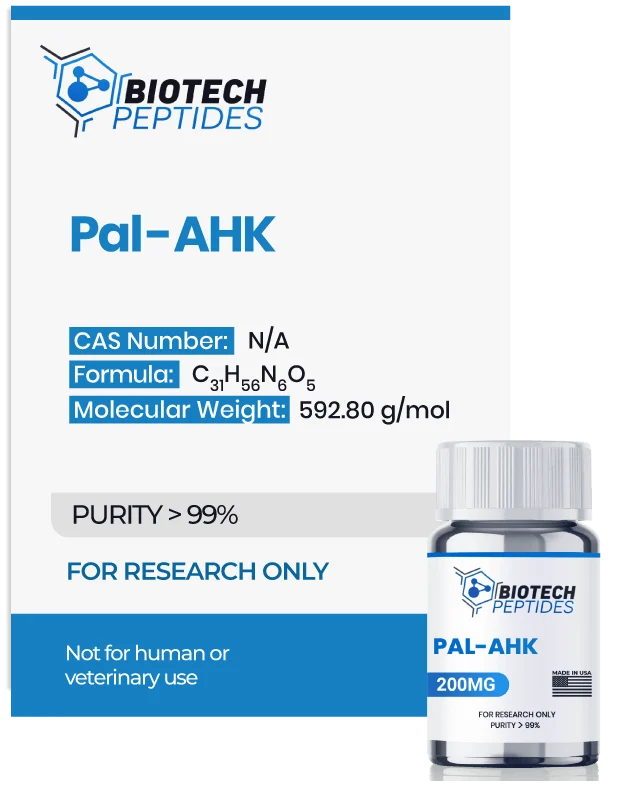
Pal-AHK's Role in Follicular Cell Growth and Apoptosis Reduction
Pal-AHK, a palmitoylated tripeptide of alanine-histidine-lysine, shows potential in modulating dermal papilla cells central to hair follicle regulation. Studies indicate it reduces apoptosis in these cells by 3.48% and lowers active caspase-3 by 42.7%, alongside boosting collagen production by 300% in fibroblasts. These effects stem from copper binding and shifts in growth factors like VEGF and TGF-β1.

Cyclo-zp80r Boosts NFC Orange Juice Preservation
A study in Foods shows the cyclic peptide cyclo-zp80r effectively combats Salmonella enterica and Listeria monocytogenes in NFC orange juice, reducing S. enterica counts by 3.6 Log CFU/mL in one day. It outperforms nisin, raises Galleria mellonella larvae survival from 0% to 40%, and remains stable at 121°C. Mechanisms include membrane disruption, ROS production, and DNA binding, though production faces purification challenges.
Peptides in Canada: From Insulin to the 2026 Research Landscape
Canada's peptide story starts with insulin at the University of Toronto in 1921, not with online storefronts. What Health Canada actually approves, the 2026 generic semaglutide sequence that made Canada the first G7 country to authorise one, where peptide research is done here, and what separates a reviewed drug from a research reagent.

Peptide Binding Affinity Analysis: Methods and Best Practices
Peptide binding affinity analysis provides essential data on interactions between peptides and proteins, antibodies, receptors, or other peptides. Researchers use techniques like SPR, BLI, MST, and ITC to measure binding strength, kinetics, and specificity. These studies support hit confirmation, analog ranking, sequence optimization, and validation for discovery programs.
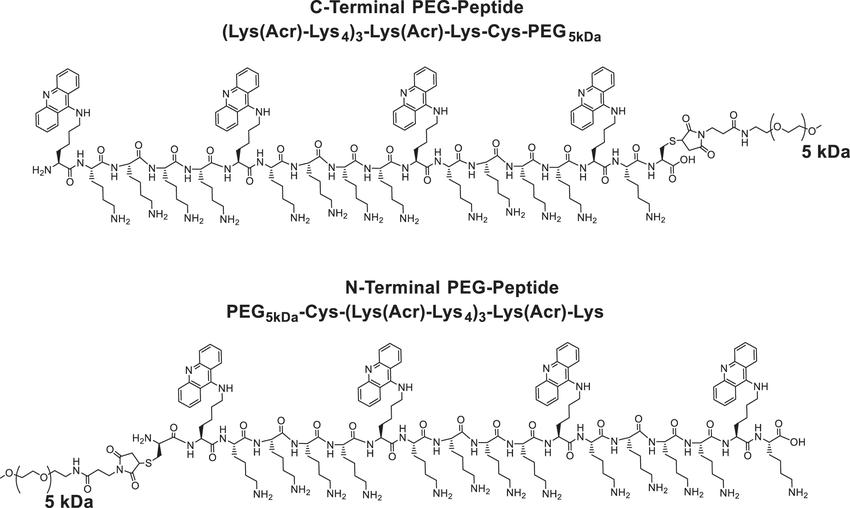
Peptide PEGylation: Boosting Stability and Half-Life
Peptide PEGylation attaches polyethylene glycol chains to peptides, improving solubility, extending circulation half-life, reducing degradation, and lowering immunogenicity. This approach addresses key limitations like rapid enzymatic breakdown and short plasma half-life in peptide therapeutics. It supports research from discovery to preclinical stages with precise synthesis and analysis.
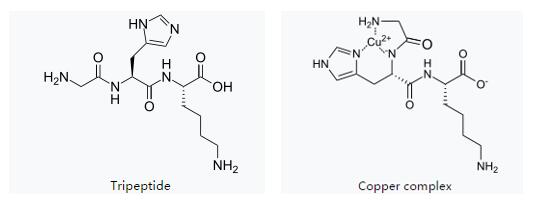
GHK and Copper Peptides: Key Roles in Skin Repair
GHK, or tripeptide-1 (glycyl-L-histadyl-L-lysine), acts as a carrier peptide that stabilizes and delivers copper, forming the GHK-Cu complex. This naturally occurring tripeptide in human plasma, saliva, and urine supports collagen production, wound healing, and anti-inflammatory responses. Research shows GHK-Cu stimulates fibroblasts, inhibits matrix metalloproteinases (MMPs), and promotes hair growth through pathways like Wnt/β-catenin.

Cyclic Peptides from Pseudostellaria heterophylla: Design to Scale-Up
Cyclic peptides from the traditional Chinese herb Pseudostellaria heterophylla, or Tai-Zi-Shen, show promise in drug discovery due to their stability and activities like anti-cancer and anti-inflammatory effects. Researchers have isolated 19 such peptides, with heterophyllin A and B standing out for metabolic stability and selectivity. Advances in chemical synthesis and biotechnology aim to move these compounds from lab to industrial production.
Guide to Free qPCR and RT-qPCR Master Mix Samples
Free qPCR master mix samples offer reagents for up to 200 reactions at 20 µL each, targeted at new customers. Select based on assay type, starting material, and thermocycler compatibility including ROX normalization needs. Options cover probe and SYBR Green assays with features like carryover prevention and one-step conversion for RNA detection.

Pinealon: Neuroprotective Tripeptide Research Guide
Pinealon, a synthetic tripeptide known as Glu-Asp-Arg or EDR, targets the central nervous system for neuroprotection. Developed by Vladimir Khavinson's team at the St. Petersburg Institute of Bioregulation and Gerontology, it shows effects on gene expression, cell proliferation, and protection against oxidative stress in neuronal models. Studies highlight reduced apoptosis, preserved mitochondrial function, and potential benefits in hypoxia and aging contexts, though much data comes from one research group.

Peptide Library Design: Synthesis, Types, and Screening
Synthetic peptide libraries consist of small peptides made through chemical synthesis, with sizes calculated as 20^n using natural amino acids. Cyclic and linear variants support drug discovery, enzyme inhibition, and vaccine development. Screening methods like phage display and ELISA identify high-affinity binders from these libraries.
MHC-Peptide Tetramers: Powerful Tools for T Cell Research
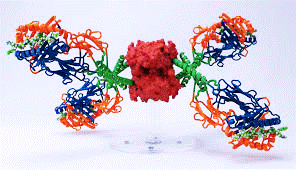
MHC-peptide tetramers consist of four MHC molecules each loaded with a specific peptide antigen, conjugated to fluorochromes like BV421, PE, or APC for detecting antigen-specific T cells. Developed in 1996 by Stanford University School of Medicine researchers, these tools revolutionized T cell analysis via flow cytometry. They enable precise identification, quantification, and monitoring of T cell responses in immunology, vaccines, cancer, and more.

High-Purity Research Peptides for Lab Use
Laboratories require high-purity research peptides for accurate investigations. This overview lists compounds like BPC-157 10mg at $85.50 - $95.00 and TB-500 capsules, along with prices and key details. All items serve research, laboratory, or analytical purposes only, not human consumption.
Glow Blend: GHK-Cu, BPC-157 & TB-500 Peptide Research
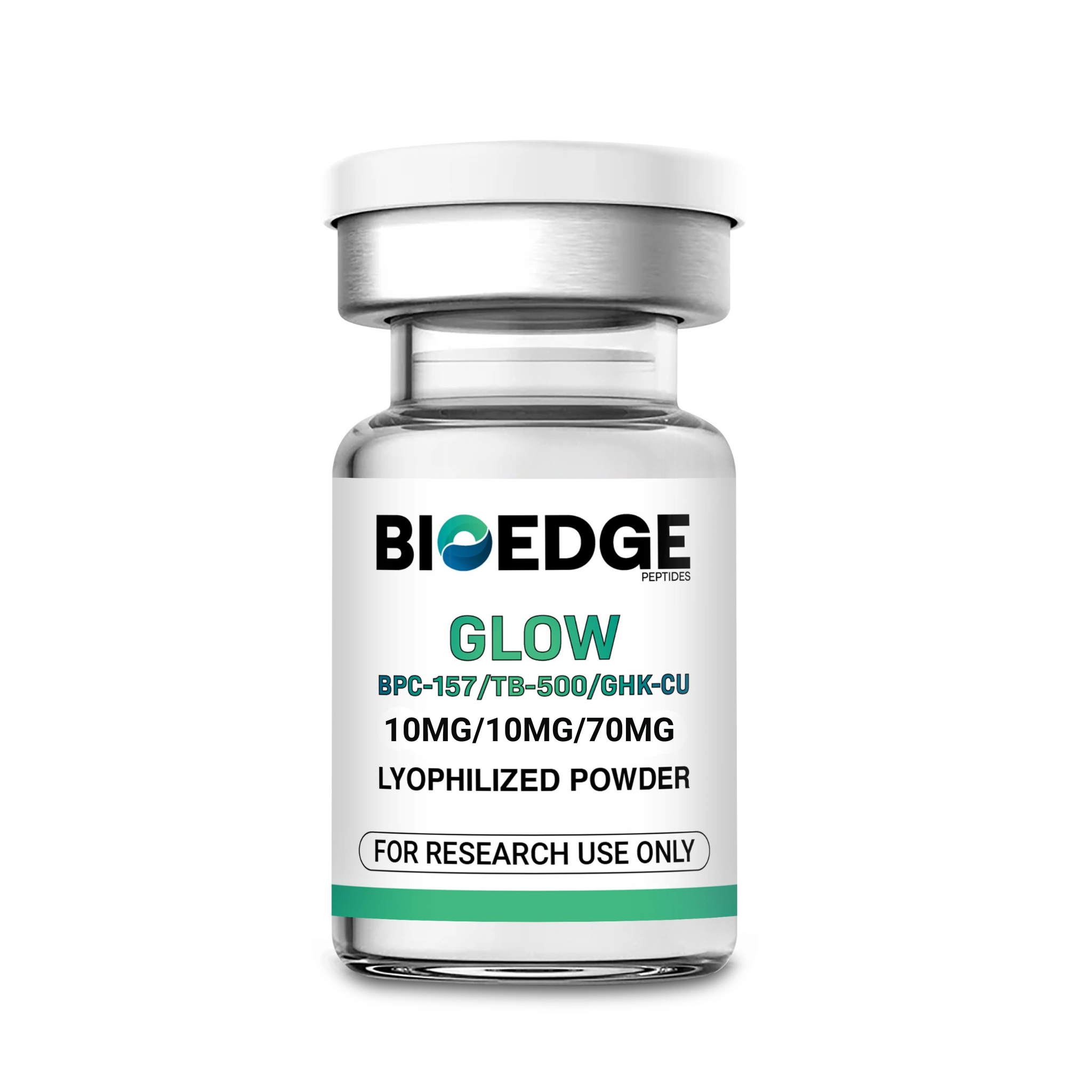
Glow Blend combines GHK-Cu, BPC-157, and TB-500 in a 70mg multi-peptide formulation studied for skin biology, tissue repair, and cellular processes. Each component targets overlapping areas like collagen pathways, connective tissue response, and cell migration. This guide explains their research roles, molecular details, and why they pair together in regenerative studies.
Peptides in Diabetes Research: Roles in Treatment and Management
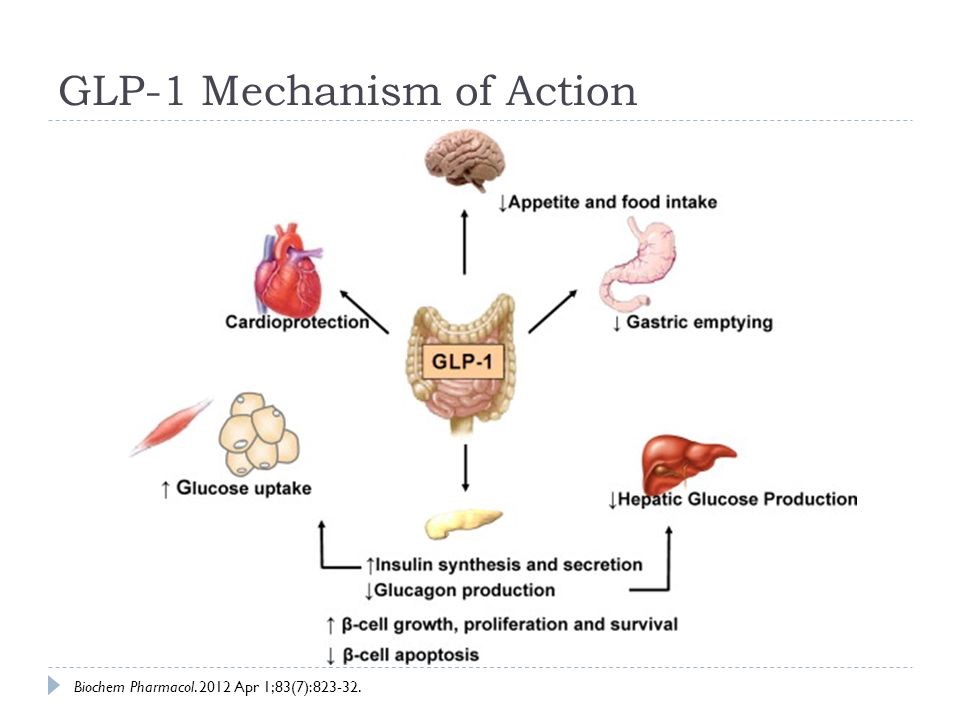
Diabetes affects 422 million people worldwide, with projections reaching 700 million by 2045. Peptides play key roles in glucose regulation, offering options for therapy, diagnosis, and prevention in both type 1 and type 2 diabetes. From GLP-1 agonists like semaglutide to dual agonists such as tirzepatide, these compounds address insulin resistance and related issues.
Peptide Crystallization: Structures, Properties, and Research Uses
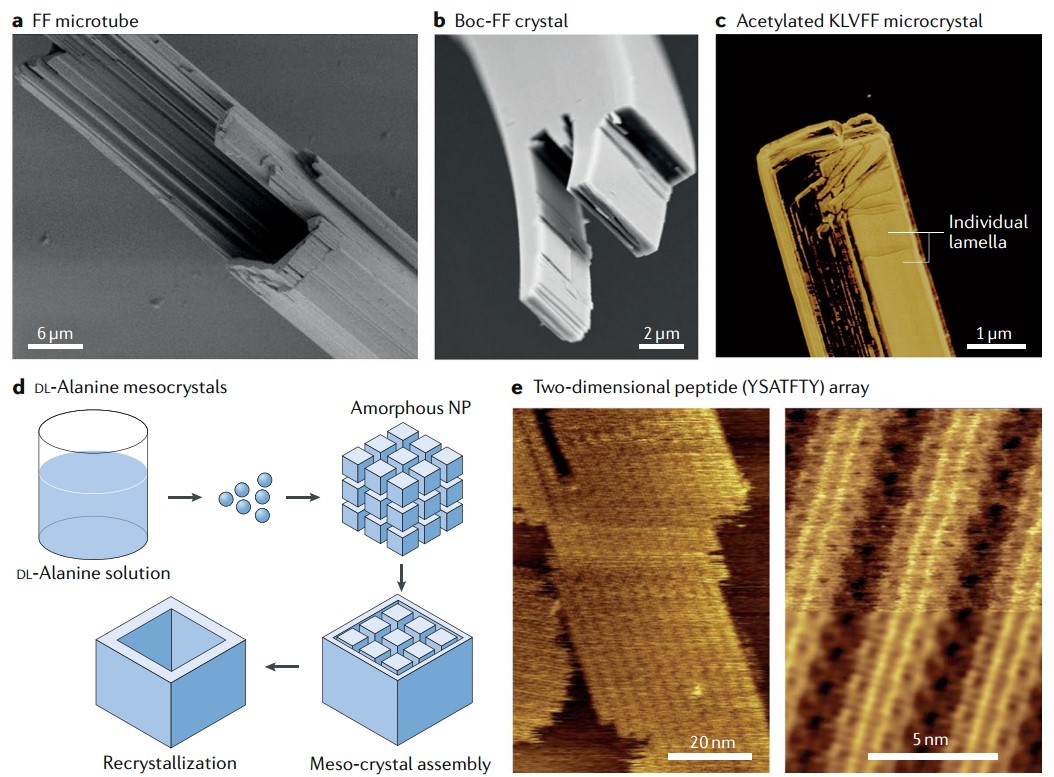
Peptide crystallization produces stable solid forms ideal for structural analysis and advanced applications in nanotechnology and biomedicine. Crystalline peptides like Boc-FF show unique mechanical strength, toughness, and flexibility due to hydrogen bonding and stacked layers. This process supports drug design, material science, and high-purity production through methods like X-ray crystallography.

Causes of Rapid Weight Gain: Key Factors to Know
Rapid weight gain means adding 2 kg (4.4 lbs) in a few days to a week, often signaling a health problem. Common triggers include overeating, inactivity, stress, hormones, medications, and conditions like hypothyroidism. Learn the differences from normal gains of 0.5 to 1 kg per year and steps for management.

Antimicrobial Peptides: Structures, Mechanisms, and Research Roles
Antimicrobial peptides offer promise against antibiotic-resistant pathogens through membrane disruption and intracellular actions. They target bacteria, fungi, viruses, and even biofilms, while modulating immune responses and aiding wound healing. Research highlights their structural diversity and selective toxicity, positioning them as alternatives to traditional antibiotics.
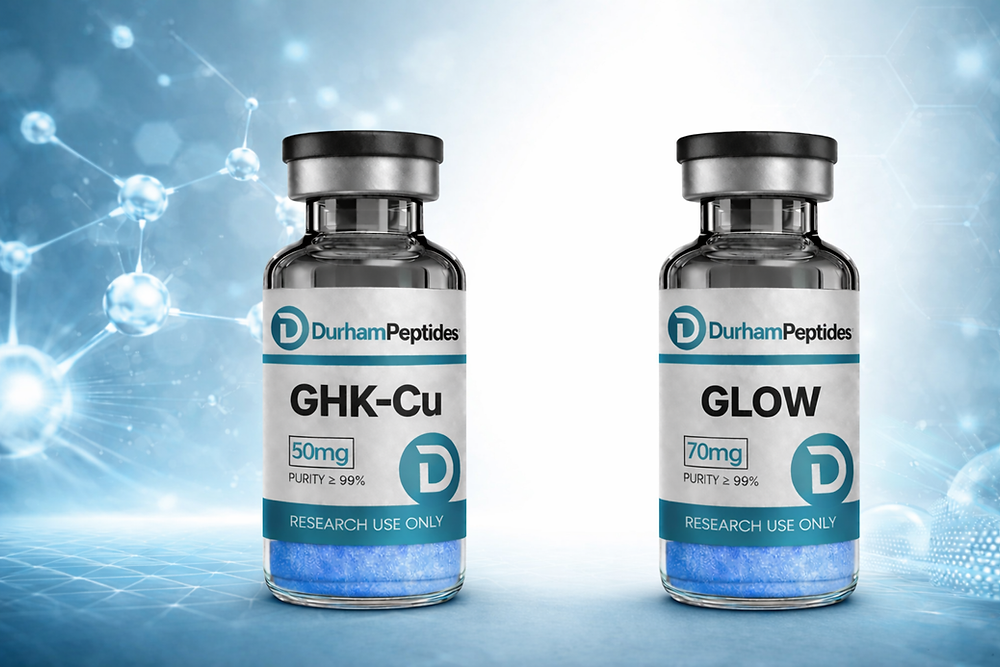
BPC-157 vs GHK-Cu: Comparing Top Research Peptides
BPC-157 and GHK-Cu stand out among research peptides for their extensive studies in tissue repair and anti-aging. BPC-157, a 15-amino-acid peptide from human gastric juice, focuses on angiogenesis and wound healing. GHK-Cu, a copper-bound tripeptide from human plasma, targets gene expression and skin remodeling, with over 100 published studies.
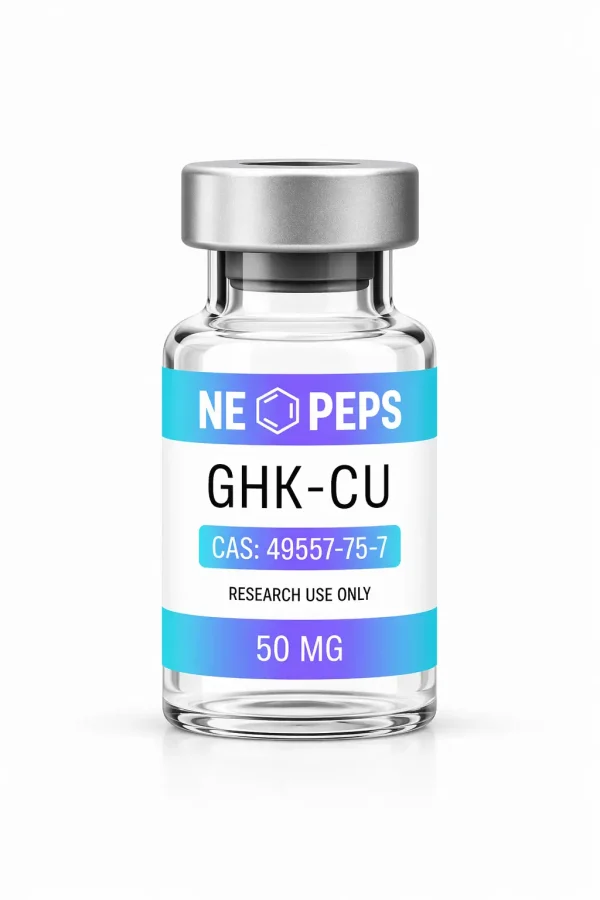
GHK-Cu Peptide: Key Mechanisms and Research Findings
GHK-Cu, a tripeptide-copper complex from glycyl-L-histidyl-L-lysine and Cu²⁺, acts as a signal for tissue repair. Studies show it supports remodeling, reduces inflammation, combats oxidative stress, and promotes angiogenesis. Research highlights its roles in enzyme function, antioxidant defense, and growth factor expression.
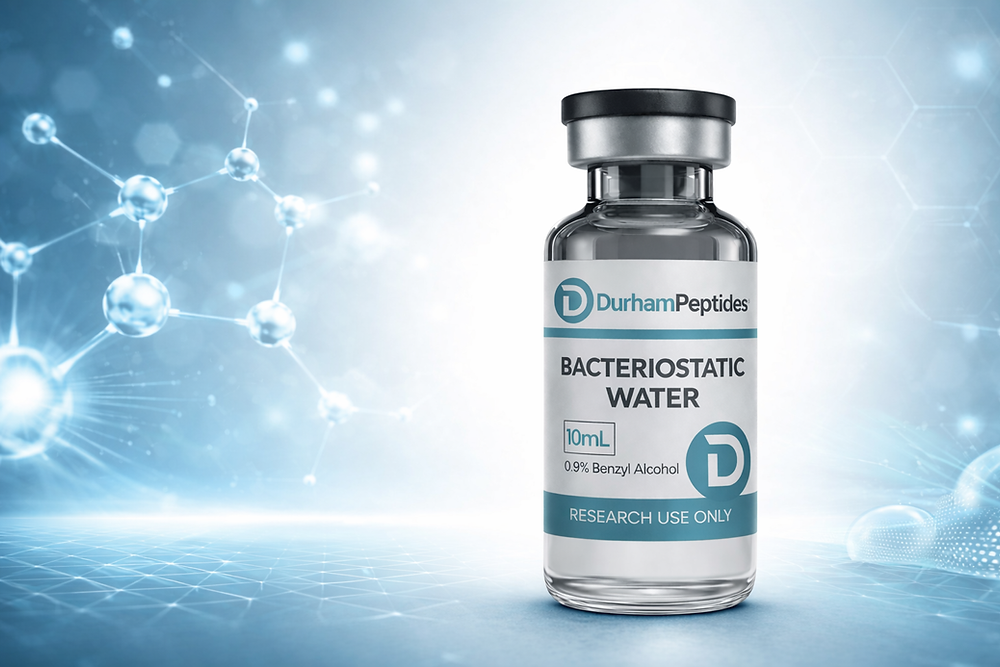
Bacteriostatic Water Shelf Life After Opening: Refrigeration Guide
Bacteriostatic water lasts about 28 days after opening when stored in the refrigerator at 2-8°C. This period matches the effectiveness of its 0.9% benzyl alcohol preservative and aligns with typical reconstituted peptide shelf life. Proper storage and visual checks help maintain safety for peptide reconstitution in research.

Alcohol Wipes: Key to Sterile Peptide Preparation
Alcohol wipes serve as pre-injection antiseptic tools to clean skin and vial tops before peptide injections. They help preserve sterility and lower infection risks in research settings. Peptides, short amino acid chains, require such precautions during laboratory handling.
Showing 24 of 379 posts