Blog
In-depth articles on peptide science, research guides, and industry insights from the Volta Peptides team.

Is Tirzepatide a Peptide? Resolving Common Terminology Confusion
Many researchers ask if tirzepatide qualifies as a peptide, along with related queries like tirzepatide versus peptides or if it contains peptides. Tirzepatide is indeed a 39-amino-acid synthetic peptide featuring fatty acid conjugation, which extends its half-life to about 5 days. This guide clarifies the biochemical definition, key differences from native peptides like BPC-157, and why the confusion persists in research contexts.

Depression Treatment Guide for Canadians
Depression involves symptoms like persistent sadness, sleep changes, and loss of interest in daily activities. Licensed practitioners offer personalized treatment plans through online assessments, with options delivered discreetly to your door. Patients report quick responses within 24 hours and compassionate support without judgment, suitable for non-urgent cases excluding crises or severe conditions like psychosis.
Online Anxiety Treatment Guide for Canadians
Canadians facing anxiety can access licensed practitioners online for personalized treatment plans delivered discreetly. With over 1,500,000 users trusting services rated 4.8 on Trustpilot, 4.4 on Google, and 4.9 on App Store, options exist for managing long-term worry. Learn about symptoms, processes, and when to seek help through asynchronous consultations.
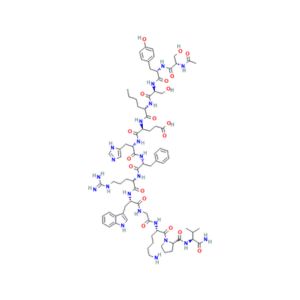
Melanotan 1: Tanning Peptide with Broad Research Potential
Melanotan 1, a synthetic analog of alpha-melanocyte-stimulating hormone, boosts melanin production for sunless tanning and UV protection. Research highlights its promise in treating skin conditions like actinic keratosis and vitiligo, alongside benefits for cognitive function, stroke recovery, inflammation reduction, blood pressure control, cardiovascular health, and fat loss. Phase 1 trials show it increases tanning by 75%, cuts burning by 47%, and needs 50% less UV exposure.

Peptide Supplier Red Flags: 10 Warning Signs of Low-Quality Vendors
The research peptide market includes low-quality suppliers that deceive buyers through poor verification or opaque practices. This guide lists ten key red flags, starting with the absence of public Certificates of Analysis from labs like Janoshik Analytical. Spotting these signs helps researchers choose reliable sources and avoid common pitfalls in peptide procurement.
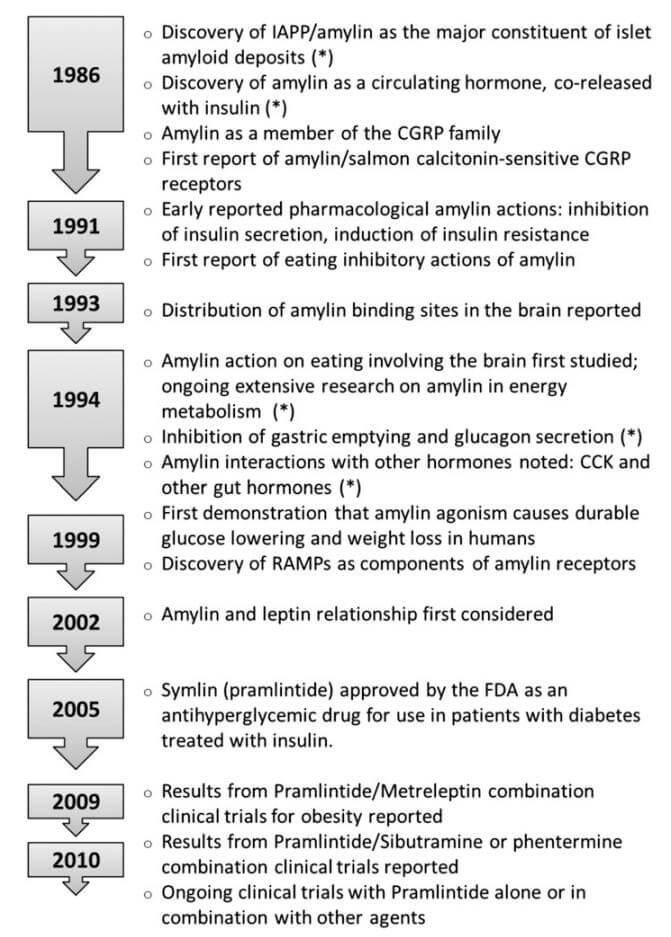
Amylins (IAPP): Structure, Receptors, and Key Analogues
Amylin, or islet amyloid polypeptide (IAPP), is a 37-amino-acid peptide co-produced with insulin in pancreatic β-cells at ratios from 1:10 to 1:100. It slows gastric emptying, suppresses glucagon secretion after meals, and promotes satiety through brainstem pathways. Synthetic versions like pramlintide and cagrilintide show promise in managing postprandial glucose and obesity, with clinical trials demonstrating significant weight loss.

Peptides vs Ligands: Targeting RNA Therapeutics
Peptide-guided carriers and ligand-conjugated systems both enable active targeting for RNA drugs, yet they vary in design and practicality. Peptides deliver single-chain precision, quick synthesis, and kidney clearance, unlike larger ligands such as antibodies, sugars, or aptamers that provide multivalent binding strength at the cost of added complexity and extended half-life. Choices depend on receptor details, production scale, and needed safety margins, as passive delivery falls short for precise RNA applications.

Teriparatide: Rebuilds Bones and Cuts Osteoporosis Fractures
Teriparatide, a synthetic peptide mimicking parathyroid hormone, stimulates new bone formation to combat osteoporosis. Clinical trials show it reduces new vertebral fractures by 65% and boosts bone mineral density significantly. Approved by the FDA in 2002, it offers a unique anabolic approach for high-risk patients.

Peptides Targeting BBB for CNS Drug Delivery Advances
Peptides serve as targeted carriers to transport therapeutics across the blood-brain barrier via receptor-mediated transcytosis, bypassing invasive methods. They mimic natural ligands to engage receptors like transferrin and LRP1 on brain endothelial cells. Challenges include balancing affinity, stability, and release to avoid saturation and ensure brain entry without toxicity.

Key Stability Hurdles for Targeting Peptides in PDCs and ADCs
Peptide instability stands out as the top reason peptide-drug conjugates fail to advance to clinical use, unlike antibody-drug conjugates which more commonly stumble on linker or payload problems. Linear peptides break down quickly in serum due to proteases, lose their binding shape, and get cleared by the kidneys before hitting tumors, causing low payload delivery and unintended toxicity. This article details the chemical and biological stability issues, from proteolysis to linker failures, that undermine these targeted therapies.

Tretinoin Gel for Acne: Uses, Application, Side Effects
Tretinoin, also called Vitamin A Acid Gel or retinoic acid, treats acne vulgaris in gel form at 0.01% or 0.05% strengths in 25g tubes. It speeds up skin cell turnover to clear pores and reduce lesions. Users apply it nightly to affected areas, with results appearing in 2-4 weeks and full effects by 6-8 weeks.
Sildenafil Citrate Guide for Erectile Dysfunction
Sildenafil citrate, an oral tablet in 50mg and 100mg strengths sold in packs of 4, treats erectile dysfunction in adult men as a PDE-5 inhibitor. It works by boosting nitric oxide effects to improve blood flow after sexual stimulation. This guide covers usage, dosage, side effects, and precautions for safe application.
.jpg)
Abaloparatide Reduces Osteoporotic Spine Fractures by 84%
Abaloparatide, an analog of human PTHrP (1-34), shows strong potential in treating osteoporosis by boosting bone formation while limiting resorption. Animal studies confirm its ability to reverse bone loss in ovariectomy models, and a phase 3 trial revealed an 84% lower risk of new spine fractures at 43 months compared to placebo. This peptide offers advantages over traditional antiresorptives by improving bone strength and density.
Essential Guide to Storing and Handling Lyophilized Peptides
High-quality research peptides demand careful storage from arrival to maintain their potency. Factors like heat, light, moisture, and time can degrade these amino acid chains, even in freeze-dried form. This guide details refrigeration and freezing protocols for both unreconstituted and reconstituted peptides, plus handling tips to ensure reliable results.

Anti-Aging Peptides: Key to Firmer, Smoother Skin Science
Anti-aging peptides, short amino acid chains, support collagen and elastin to maintain skin firmness and reduce fine lines. Research examines their roles in collagen production, barrier protection, hydration, and expression line improvement. These ingredients appear in many topical products to enhance texture and overall skin condition.
BPC-157 and TB-500: Synergy in Tissue Repair Research
Researchers frequently examine BPC-157 and TB-500 together due to their potential complementary effects on tissue repair and recovery. BPC-157 supports blood vessel formation and gut integrity, while TB-500 aids cell migration and reduces inflammation. This combination targets multiple healing stages, though evidence remains mostly from preclinical studies.
Premium Research Peptides for Australian Lab Studies
Australian researchers can access premium research-grade peptides that undergo independent third-party testing before dispatch. Each batch includes a full Certificate of Analysis available online, with next-business-day shipping across Australia. Categories cover fat loss, healing, nootropics, tanning, blends, bundles, and supplies, featuring compounds like Retatrutide at 99.4% HPLC purity.

Vitamin B12 Nasal Spray: Research Benefits and Key Facts
Vitamin B12 supports nerve and blood cell health while helping produce DNA and preventing megaloblastic anemia. Nasal spray delivery offers quick absorption through the nasal lining, ideal for those with absorption problems or aversion to injections. Proper storage and awareness of side effects ensure safe research use.

Peptide Drugs Target Prostate Cancer, Viruses, and Brain Injuries
Recent research highlights peptides as promising drugs due to their high affinity, selectivity, low toxicity, and simple synthesis. Advances include peptidomimetics that attack prostate tumors with TMPRSS2-ERG fusion, stem-derived peptides blocking Japanese encephalitis and Zika viruses, an engineered antimicrobial peptide effective against resistant bacteria, and a four-amino-acid sequence that targets injured brain tissue. These developments suggest peptides could address multiple serious conditions.
Peptide Linkers: Vital Connectors in Biotech and Drug Design
Peptide linkers join proteins, antibodies, and drugs to enable targeted therapies like antibody-drug conjugates. They come in flexible, rigid, cleavable, and non-cleavable forms, with designs tailored by length and amino acid choice for stability and function. Applications span cancer treatments, fusion proteins, and vaccine development, optimizing delivery and reducing side effects.
Catalog Peptides: Diverse Applications in Biotech and Health
Catalog peptides support progress in biotechnology and life sciences with applications in medicine, cosmetics, and food. These amino acid-based compounds offer targeted effects in areas like antimicrobial defense, immune regulation, and cancer treatment. High purity, stability, and availability make them valuable for research across multiple fields.

Combinatorial Peptide Synthesis: Methods and Techniques
Combinatorial peptide synthesis combines amino acid sequences to produce large libraries of peptides for drug discovery. It relies on solid-phase peptide synthesis to enable quick creation of bioactive compounds. Techniques such as multipin synthesis, tea-bag method, and light blotting support high-throughput screening of peptide activity.
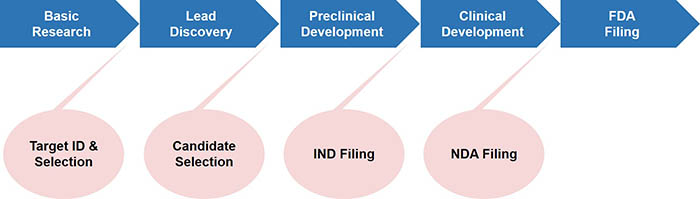
Peptide Drug Discovery: From Concept to Candidate
Peptide drug discovery integrates design, synthesis, and analytics to advance programs from early ideas to lead candidates. This approach addresses challenges where small molecules fall short, such as broad protein-protein interaction interfaces. Services cover hit identification, optimization for stability and potency, analytical verification, and scale-up for preclinical studies, supporting fields like metabolic disease and oncology.
Showing 24 of 379 posts