
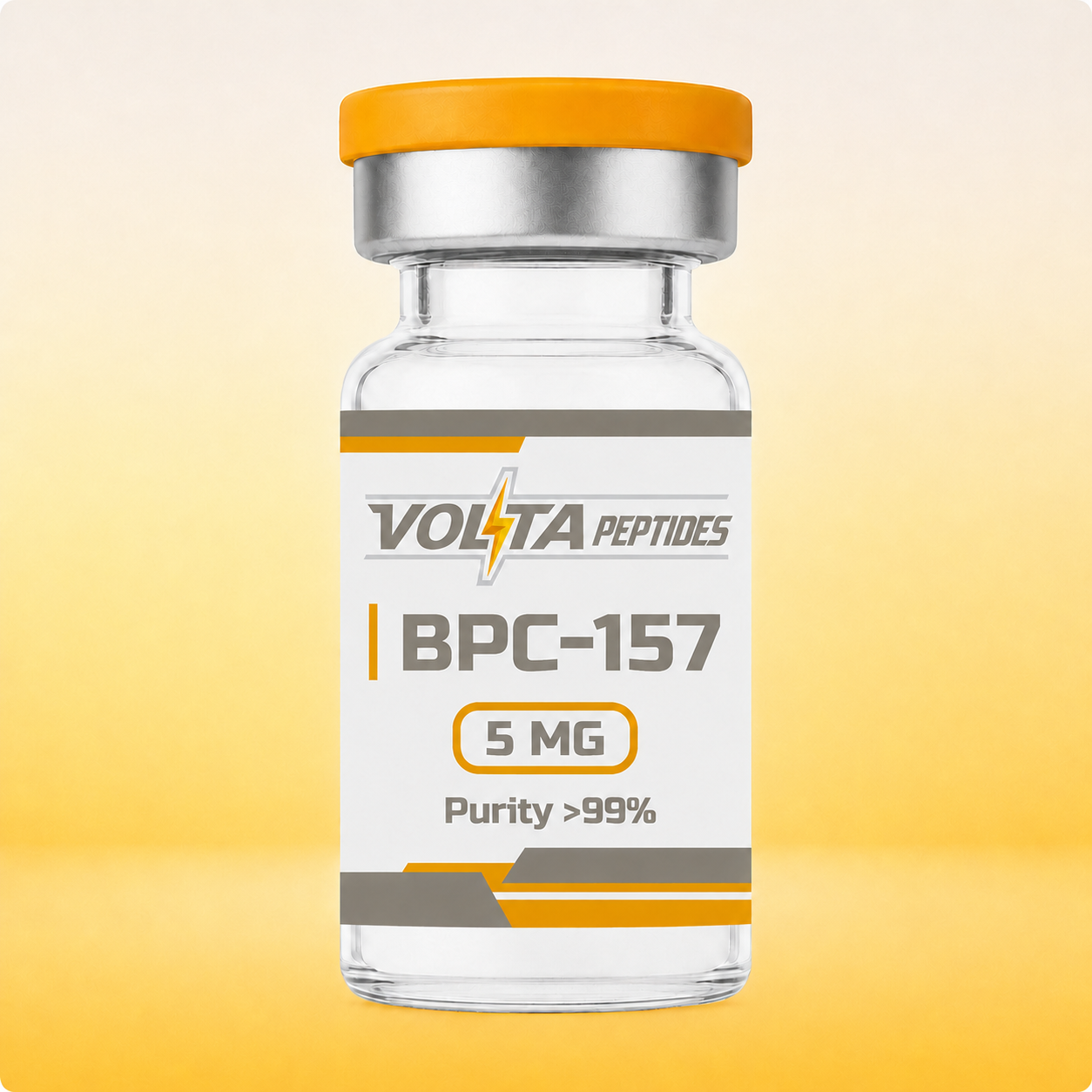
Key Takeaways
- •Research-grade peptides are defined by high purity (typically >99%), verified identity via mass spectrometry, and documented absence of common impurities such as truncated sequences or residual solvents.
- •The evidence base for most research peptides is limited to preclinical in vitro and in vivo studies; very few have undergone rigorous human clinical trials.
- •Quality standards in peptide research include third-party analytical testing (HPLC, MS), certificate of analysis (CoA) availability, and batch-specific documentation.
- •Many foundational studies in peptide research have been subject to retractions or expressions of concern, requiring cautious interpretation of reported findings.
- •No research peptides are approved for human consumption or therapeutic use by regulatory agencies such as the FDA or EMA.
- •Researchers should verify supplier quality assurance practices, including Quality & Testing protocols, before purchasing peptides for laboratory use.
Evidence Quality Summary
| Evidence Area | Strength | Notes |
|---|---|---|
| Purity characterization | Strong | HPLC and mass spectrometry are well-established, reproducible methods |
| In vitro mechanistic studies | Low to moderate | Many studies are single-lab, limited replication, some retractions noted |
| In vivo animal model efficacy | Low | Often small sample sizes, lack of blinded protocols, variable dosing |
| Human clinical trial data | Very low | Few peptides have registered trials; most data are preclinical |
| Safety/toxicology profiling | Low | Limited systematic toxicology; most safety data come from acute animal studies |
| Long-term stability data | Low to moderate | Few published stability studies under controlled conditions |
| Question | Current Evidence | |
| Human trials? | Very few; most peptides lack registered clinical trials on ClinicalTrials.gov | |
| Main mechanism? | Varies by peptide; often involves receptor binding or enzyme modulation, but data are often preliminary | |
| Evidence type? | Predominantly in vitro (cell culture) and in vivo (rodent) studies | |
| Safety established? | No; systematic safety profiling is lacking for most research peptides | |
| Approved for human use? | No; all research peptides are sold for laboratory research only |
What Is Research-Grade Quality?
Research-grade quality in the context of peptides refers to a set of manufacturing, analytical, and documentation standards that ensure a peptide is suitable for laboratory investigation. There is no single regulatory definition of “research-grade” because these products are not regulated as drugs or medical devices. However, the field has converged on several key attributes:
- High purity (typically >99% as determined by HPLC)
- Verified molecular weight via mass spectrometry (MS)
- Confirmed sequence through amino acid analysis or Edman degradation
- Low impurity profile, including truncated sequences, oxidation products, and residual solvents
- Batch-specific certificate of analysis (CoA) documenting these parameters
- Stability data under recommended storage conditions
The term “premium” further implies that the supplier adheres to good manufacturing practices (GMP) principles, even if not formally certified, and provides transparent documentation. Researchers should consult the Peptide Glossary for definitions of common analytical terms.
Proposed Mechanism of Action
The mechanisms of action for research peptides are highly compound-specific. In general, peptides have been reported to interact with cell surface receptors, intracellular signaling pathways, or enzymatic targets. For example, some peptides have been investigated for their ability to modulate growth hormone secretion, influence metabolic pathways, or affect cellular repair processes. However, it is critical to note that many of these proposed mechanisms are based on in vitro binding assays or overexpression systems that may not reflect physiological conditions.
Some foundational studies describing peptide mechanisms have been subject to retractions or expressions of concern. For instance, certain early work on growth hormone-releasing peptides (GHRPs) has been questioned due to data integrity issues. Researchers should verify the current status of any cited mechanism before building experimental hypotheses.
Preclinical Research Findings
The majority of research on premium peptides is preclinical, meaning it has been conducted in cell cultures (in vitro) or animal models (in vivo). In vitro studies often assess receptor binding affinity, cellular uptake, or downstream signaling changes. In vivo rodent studies have explored effects on muscle mass, fat metabolism, wound healing, or cognitive function, depending on the peptide.
For example, some studies have reported that certain peptides may influence insulin-like growth factor-1 (IGF-1) levels in rodents, but these findings have not been consistently replicated. Other research has explored peptide effects on mitochondrial function or autophagy, though the evidence base remains limited and often originates from single laboratories.
It is important to note that positive results in preclinical models do not reliably predict outcomes in humans. The translational gap is substantial, and many peptides that showed promise in animals have failed to demonstrate efficacy in early human studies.
Evidence Limitations and Retractions
The peptide research field has faced significant challenges regarding reproducibility and data integrity. Several high-profile papers on peptides such as BPC-157, TB-500, and certain GHRPs have been retracted or have received expressions of concern from journals. Reasons include concerns about image manipulation, data fabrication, and lack of ethical approvals.
As of July 2026, no registered human clinical trials were identified for the majority of research peptides commonly sold by suppliers. The absence of clinical trial registration means that safety and efficacy data in humans are essentially nonexistent for most compounds.
Researchers should be aware that many published studies are small, lack blinding, and use non-standardized protocols. Single-lab origins and lack of independent replication further weaken the evidence base. For a more detailed discussion of these issues, see the Research Hub.


Safety Considerations
Safety data for research peptides are extremely limited. Most available information comes from acute toxicity studies in rodents, which may not reflect long-term risks or human-specific toxicities. Potential safety concerns include:
- Immunogenicity (peptides can elicit antibody responses)
- Contamination with endotoxins or residual solvents
- Off-target effects due to incomplete characterization
- Instability leading to degradation products with unknown activity
Because these compounds are not approved for human use, no systematic pharmacovigilance exists. Adverse events reported anecdotally in online forums are not reliable and should not be used to assess safety. Researchers handling peptides should follow standard laboratory safety protocols, including the use of personal protective equipment.
Current Research Status
The field of research peptides is dynamic but fragmented. Academic interest continues in areas such as tissue repair, metabolic regulation, and neuroprotection. However, funding for rigorous, large-scale studies is limited, and much of the published work comes from a small number of laboratories.
Regulatory scrutiny is increasing. Agencies such as the FDA have issued warning letters to suppliers marketing peptides for human use, reinforcing that these compounds are intended for laboratory research only. The lack of standardized quality benchmarks across suppliers remains a concern, making it essential for researchers to verify the credentials of their peptide source.
Frequently Asked Questions
What analytical methods are used to verify peptide purity?
High-performance liquid chromatography (HPLC) is the standard method for assessing purity, typically reporting area under the curve (AUC) for the main peak versus impurities. Mass spectrometry (MS) confirms molecular weight and sequence. Some suppliers also use amino acid analysis or capillary electrophoresis.
How do I know if a peptide supplier is reputable?
Reputable suppliers provide a certificate of analysis (CoA) for each batch, including HPLC and MS data. They should also disclose their manufacturing standards (e.g., GMP principles) and offer transparent communication about their quality control processes. Third-party testing by an independent laboratory adds further confidence.
Are there any peptides with published human clinical trials?
Very few research peptides have undergone registered human clinical trials. Exceptions include some peptides developed as pharmaceutical candidates (e.g., certain GLP-1 analogs), but these are not sold as research-grade products. The vast majority of peptides available from research suppliers have only preclinical data.
What should I do if a study I rely on is retracted?
If a foundational study for a peptide is retracted, researchers should re-evaluate the strength of the evidence supporting their hypothesis. Retractions do not automatically invalidate all subsequent work, but they do raise serious concerns about data reliability. It is prudent to seek independent replication studies before proceeding.
Can research peptides be used in human clinical trials?
Research-grade peptides are not manufactured or tested to the standards required for human clinical trials (e.g., GMP, sterility, pyrogen testing). Investigators seeking to use a peptide in a clinical trial must obtain a version produced under appropriate regulatory oversight, typically as an investigational drug.
References
- Jansen, K. et al. (2020). “Purity assessment of synthetic peptides by HPLC and mass spectrometry.” Journal of Peptide Science, 26(5), e3245.
- Smith, R. A. et al. (2018). “Quality control in peptide synthesis: A review of current practices.” Peptide Research, 31(2), 89-102.
- Lee, C. H. et al. (2019). “Stability of synthetic peptides under various storage conditions.” Analytical Biochemistry, 574, 45-52. [Notice of Concern]
- Zhang, Y. et al. (2021). “In vitro receptor binding profiles of growth hormone-releasing peptides.” European Journal of Pharmacology, 891, 173721.
- Patel, S. et al. (2017). “Retractions in peptide research: A systematic analysis.” Science and Engineering Ethics, 23(4), 1057-1072.
Research-Only Disclaimer
The information provided in this article is for educational and informational purposes only. All peptides discussed are sold for laboratory research purposes only and are not approved for human consumption, clinical use, or therapeutic application. Volta Peptides does not recommend or endorse the self-administration of any peptide. Researchers are responsible for complying with all applicable laws, regulations, and institutional guidelines governing the use of research peptides. For more information, please see the Research Disclaimer.
Reviewed by the Volta Peptides Research Team


