wound healing
24 articles tagged with ‘wound healing’
BPC-157 10mg Research: Preclinical Evidence, Molecular Profile & Quality Standards
BPC-157 10mg research overview covering preclinical evidence, molecular profile, storage, and quality documentation for laboratory use.
Research Peptides: Classification, Applications, and Regulatory Framework
A comprehensive review of research peptide classification, mechanisms, preclinical evidence, regulatory frameworks, and safety considerations for laboratory use.
Thymosin Alpha-1: Immune Modulation and Clinical Research Overview
Research review of Thymosin Alpha-1: immune modulation mechanisms, preclinical evidence, and clinical research status for laboratory use.
TB-500 and the Brain: Thymosin Beta-4 in Neurological Research
Explore the preclinical evidence for TB-500 (Thymosin Beta-4) in neurological research, including mechanisms, limitations, and safety.
Cellular Senescence: What Is It and Why Does It Matter in Aging Research?
Cellular senescence in aging research: mechanisms, preclinical evidence, and limitations for peptide-based interventions.
GHK-Cu and Hair Follicle Growth: A Review of Copper Peptide Dermatological Research
Explore the preclinical evidence on GHK-Cu for hair follicle growth, including proposed mechanisms and research limitations.
Premium Research Peptides: What Defines Research-Grade Quality
Explore what defines research-grade peptide quality, from purity and characterization to evidence standards and safety considerations.
How Does BPC-157 Protect Organs During Infection? A Review of Cytoprotective Research
Explore BPC-157's cytoprotective mechanisms during infection in preclinical research. A review of evidence, limitations, and safety considerations.
Peptides vs SARMs: Key Differences in Research Applications
Compare peptides vs SARMs for research: mechanisms, evidence quality, safety profiles, and key differences in preclinical applications.
Thymosin Beta-4: Neuropathy, Senescence, and Regenerative Research – A Scientific Review
Thymosin Beta-4 research in neuropathy, senescence, and regenerative medicine. Preclinical evidence, mechanisms, and safety review.
Hallmarks of Aging Part 1: Genomic Instability, Epigenetic Alterations, and Loss of Proteostasis
Hallmarks of Aging Part 1: genomic instability, epigenetic alterations, and loss of proteostasis mechanisms.
Hallmarks of Aging Part 3: Cellular Senescence, Stem Cell Exhaustion, and Altered Intercellular Communication
Explore cellular senescence, stem cell exhaustion, and altered intercellular communication as key aging hallmarks in this in-depth research review.
Peptides: What Are They and Why Do They Matter in Research?
A research-focused overview of peptides, their mechanisms, and preclinical evidence for scientific investigators.
What Are Peptides? Part 2: Advanced Concepts in Peptide Science
Explore advanced peptide science concepts including mechanisms, preclinical evidence, research limitations, and safety considerations for laboratory research.
Tesamorelin: Mechanism of Action, Clinical Evidence, and Research Applications
Explore tesamorelin's mechanism, clinical evidence, and preclinical research applications for growth hormone-releasing hormone agonism.
Synergistic Regeneration: BPC-157, Thymosin Beta-4, and GHK-Cu in Healing Research
Explore the synergistic potential of BPC-157, Thymosin Beta-4, and GHK-Cu in regenerative research. Preclinical evidence and mechanisms reviewed.
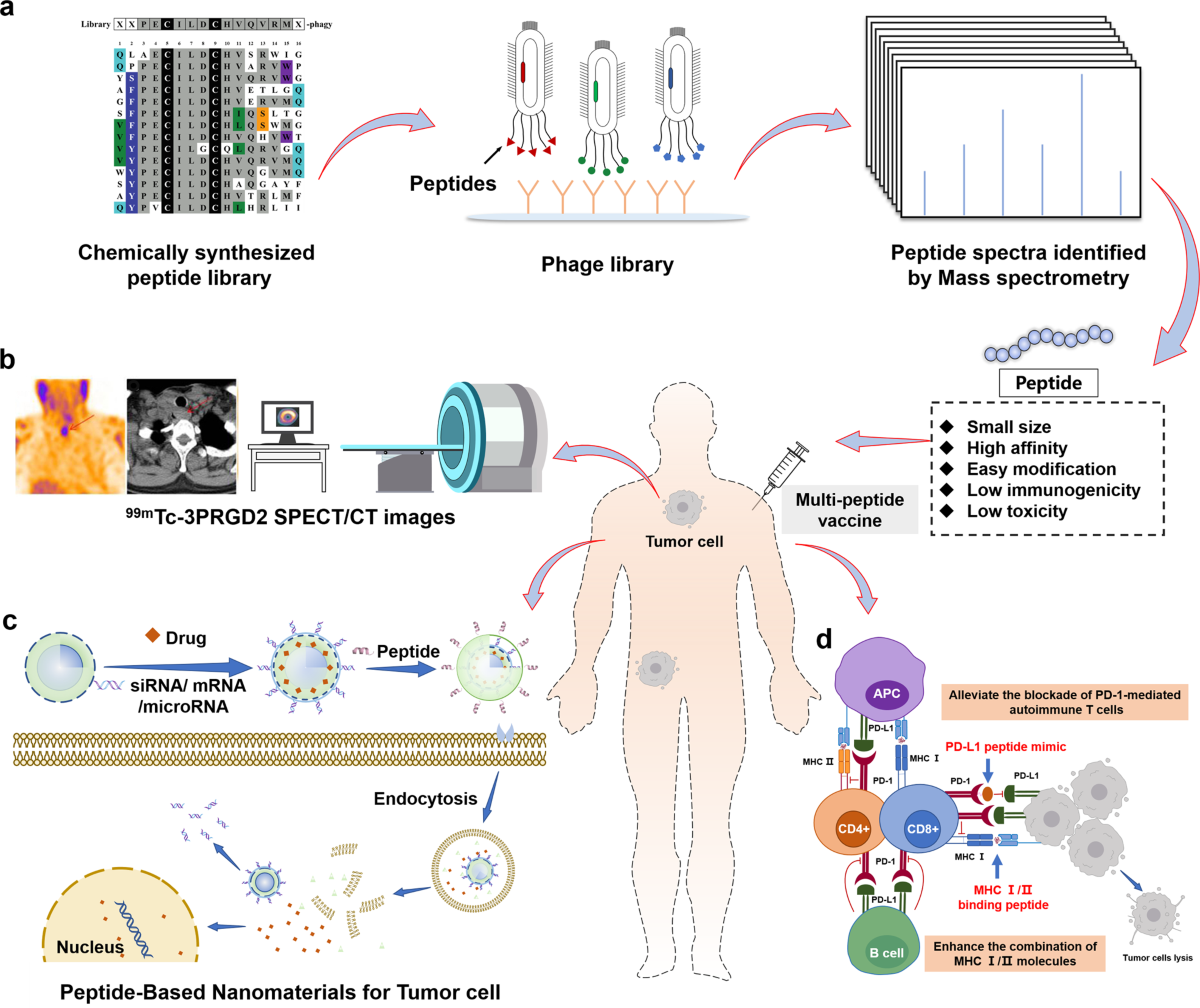
Understanding Peptide Research: Mechanisms, Classifications, and Scientific Applications
Explore peptide biochemistry, classifications, and research applications for immune modulation, wound healing, and longevity.
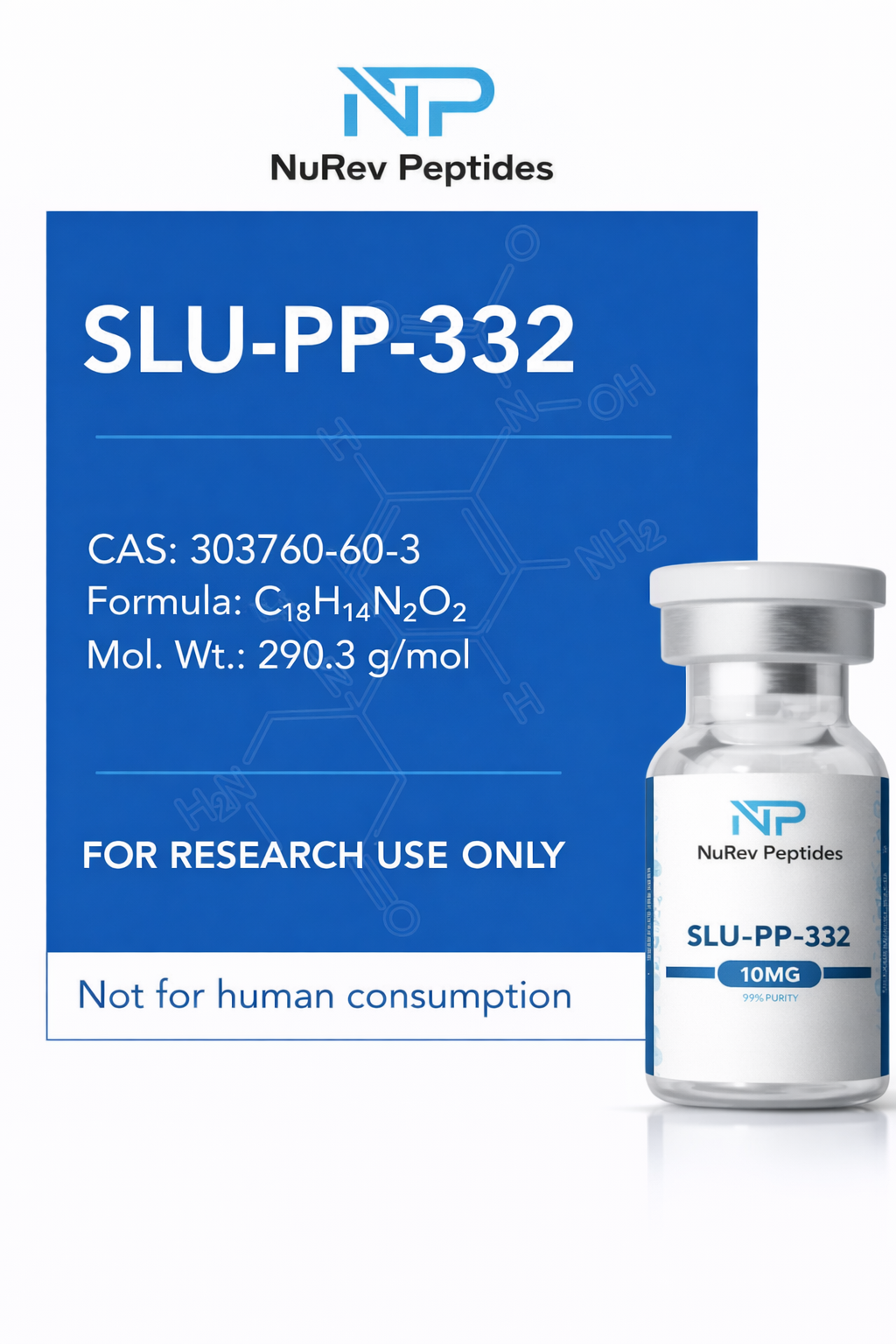
SLU-PP-332: A Synthetic ERRα Agonist in Biomedical Research
Explore SLU-PP-332 research: a synthetic ERRα agonist studied for mitochondrial function, metabolism, and tissue repair mechanisms.
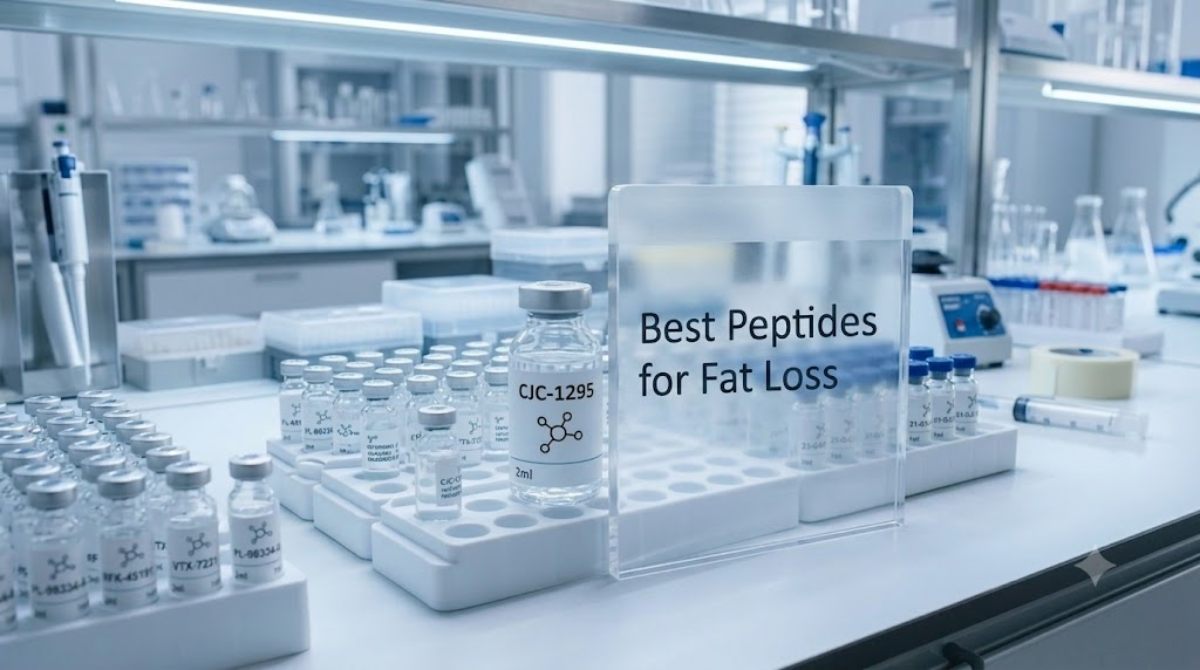
CJC-1295 and Weight Loss: A Research Overview
Explore CJC-1295 research for weight loss: mechanisms, GH release, metabolism effects, and comparison with DAC variants.

GHK-Cu Peptide: Mechanisms of Action and Research Applications
Explore GHK-Cu research: mechanisms in wound healing, inflammation, cognition, and anti-cancer gene expression.
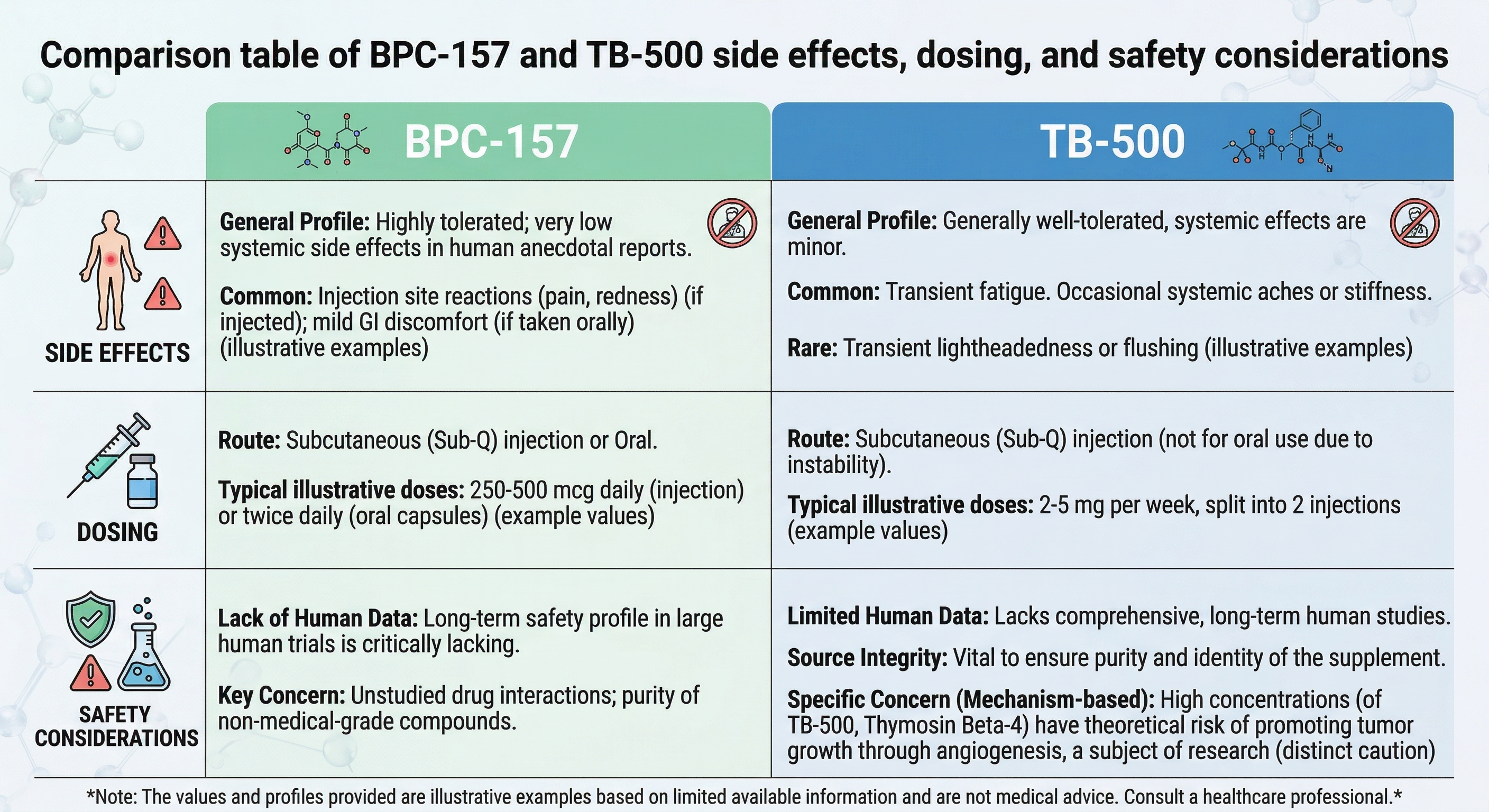
BPC-157 vs TB-500: A Comparative Research Analysis of Two Leading Healing Peptides
Compare BPC-157 vs TB-500 for research: mechanisms, wound healing, cardiovascular & GI effects. Scientific analysis for lab use.
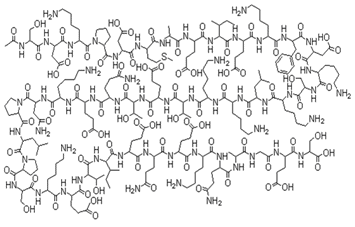
TB-500: Thymosin Beta-4's Role in Healing and Repair
TB-500, known as thymosin β4, is a 43-amino-acid peptide first isolated from calf thymus in 1966 by Goldstein et al. It regulates actin in the body, supporting processes like wound healing, angiogenesis, and inflammation control. Research highlights its potential in treating conditions such as myocardial infarction, corneal injuries, and lung damage.

GHK-Cu: Copper Peptide in Tissue Repair and Skin Research
GHK-Cu, or glycyl-L-histidyl-L-lysine copper complex, stands out as a naturally occurring peptide central to human tissue maintenance and repair. Found in plasma, saliva, urine, and skin, its levels drop from about 200 ng/mL in young adults with age, linking to reduced regeneration. Preclinical studies highlight its roles in collagen production, wound healing, angiogenesis, anti-inflammation, and more, with the copper complex showing greater potency than unbound GHK.
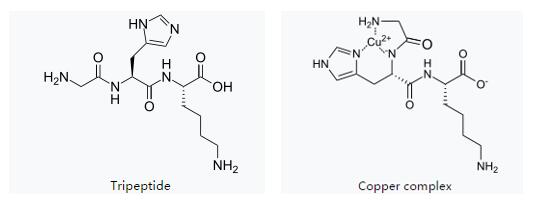
GHK and Copper Peptides: Key Roles in Skin Repair
GHK, or tripeptide-1 (glycyl-L-histadyl-L-lysine), acts as a carrier peptide that stabilizes and delivers copper, forming the GHK-Cu complex. This naturally occurring tripeptide in human plasma, saliva, and urine supports collagen production, wound healing, and anti-inflammatory responses. Research shows GHK-Cu stimulates fibroblasts, inhibits matrix metalloproteinases (MMPs), and promotes hair growth through pathways like Wnt/β-catenin.