Key Takeaways
- •TB-500, or thymosin β4, stands out as a key peptide with broad effects on tissue repair.
- •Thymosin originates from the thymus gland, which gives it its name, though it appears in various tissues.
- •Tβ4, at 5.0 kDa, belongs to the β-thymosin group.
TB-500: Thymosin Beta-4's Role in Healing and Repair
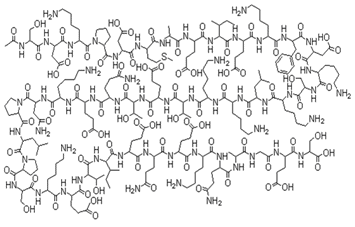
TB-500, or thymosin β4, stands out as a key peptide with broad effects on tissue repair. First extracted from calf thymus in 1966 by Goldstein et al., this 43-amino-acid chain occurs naturally throughout the human body. Its water-soluble nature stems from lacking hydrophobic amino acids.
Origins of Thymosin and TB-500
Thymosin originates from the thymus gland, which gives it its name, though it appears in various tissues. It mainly boosts T cell production, a vital immune component, and aids B cell maturation into plasma cells for antibody creation. Divided into α, β, and γ groups by electric field behavior, the family includes 16 members, with Tβ4, Tβ10, and Tβ15 present in humans.
Tβ4, at 5.0 kDa, belongs to the β-thymosin group. Both thymosin α1 and thymosin β4 show medical promise, moving from lab to clinical settings. For detailed insights, check the TB-500 Research Guide.
Structure and Actin-Binding Mechanism
TB-500 features a conserved actin-binding motif typical of beta-thymosins. It binds G-actin (globular actin) to block its conversion to F-actin (filamentous actin), preserving cytoskeleton balance needed for cell movement, division, and transport. The N-terminal handles actin binding, while the C-terminal ensures stability and solubility inside cells.
Studies point to TB-500 linking with proteins like PINCH (particularly interesting new cysteine-histidine rich protein) and ILK (integrin-linked kinase), affecting cell adhesion and signals. These ties highlight its wide cellular roles. Consult the Peptide Glossary for terms like G-actin.
Promoting Cellular Migration and Wound Healing
TB-500 drives cell migration, essential for tissue repair, by adjusting the actin cytoskeleton and boosting migration-related genes. It raises matrix metalloproteinases (MMPs) levels, which break down extracellular matrix for cell passage. In wound healing, it speeds keratinocyte and fibroblast movement for skin resurfacing and matrix building.
Animal studies show faster healing for dermal, corneal, and myocardial wounds. In myocardial infarction models, TB-500 cuts scar tissue and boosts heart function via cardiomyocyte protection and new vessel growth. It also lifts laminin-5 for basement membrane support and collagen for matrix strength.
Angiogenesis and Vessel Formation
TB-500 spurs new blood vessel growth by advancing endothelial cell growth and movement. It triggers PI3K/Akt and ERK pathways for cell survival and spread, plus boosts vascular endothelial growth factor (VEGF) release. Beyond formation, it stabilizes vessels by drawing pericytes and smooth muscle cells for durability.
This proves useful in issues with faulty vessel growth, like cancer or ongoing inflammation. Researchers link TB-500 to vascular regeneration overall. Use the Dosage & Cycle Planner for study planning.
Anti-Inflammatory Effects
TB-500 tempers inflammation, key for controlled healing. It lowers pro-inflammatory cytokines TNF-α and IL-1β, while raising anti-inflammatory IL-10. It blocks nuclear factor-kappa B (NF-κB) from entering the nucleus, curbing inflammation genes.
TB-500 also strengthens regulatory T cells (Tregs) for immune balance and inflammation end. These actions suit chronic inflammation causing damage or fibrosis. Its role ties to conditions like oral mucosal inflammation and compression ulcers.
Neuroprotection and Other Applications
TB-500 offers neuron protection by aiding survival, differentiation, and neurite growth via actin and cytoskeleton stability. In spinal cord injury and traumatic brain injury models, it lessens neuron death and aids recovery. Broadly, it addresses myocardial infarction (MI), dry eye, corneal injury, lung injury.
As a main actin regulator, TB-500 influences cytoskeleton balance, inflammation, cell death, corneal and heart repair. Its prospects span many diseases.
In summary, TB-500's actin regulation and repair support make it a focus for research. Ongoing studies affirm its value in healing pathways. Explore free peptide tools for precise calculations in experiments.
Related Research Compounds
Looking for high-purity research peptides? Browse our catalog for HPLC-verified compounds.
| Compound | Purity | Size | Price |
|---|---|---|---|
| TB-500 5mg | >99% | 5mg | $29.00 |