Key Takeaways
- •BPC-157 is a synthetic pentadecapeptide derived from a protein found in human gastric juice, and its cytoprotective effects have been investigated primarily in preclinical models of gastrointestinal injury and inflammation.
- •Research suggests BPC-157 may modulate inflammatory pathways, promote angiogenesis, and reduce oxidative stress, which could theoretically contribute to organ protection during infection, but direct evidence in infectious disease models is limited.
- •Most available evidence comes from in vitro (cell culture) and in vivo (rodent) studies; no registered human clinical trials for infection-related organ protection were identified as of July 2026.
- •Some foundational studies on BPC-157 have been subject to retractions or expressions of concern, requiring cautious interpretation of the evidence base.
- •The peptide is not approved for human use by any major regulatory agency and is sold for laboratory research purposes only.
- •Researchers should prioritize replication of key findings and well-controlled animal studies before considering translational applications.
Evidence Quality Summary
| Evidence Area | Strength | Notes |
|---|---|---|
| Cytoprotection in GI models (e.g., NSAID-induced ulcers) | Low to moderate | Multiple rodent studies, but many from single research groups; replication needed |
| Anti-inflammatory effects (in vitro) | Low | Cell culture data; limited to specific immune cell types |
| Organ protection during sepsis/systemic infection | Very low | Very few studies; preliminary rodent data only |
| Angiogenic effects | Low | Observed in wound healing models; relevance to infection unclear |
| Human clinical trials for infection | Very low | No registered trials found as of July 2026 |
| Question | Current Evidence | |
| Are there human clinical trials for this indication? | No registered human clinical trials for infection-related organ protection were identified. | |
| What is the main proposed mechanism? | Modulation of inflammatory cytokines, reduction of oxidative stress, promotion of angiogenesis. | |
| What type of evidence exists? | Primarily in vitro and in vivo (rodent) preclinical studies. | |
| Is safety established for human use? | No; safety data from controlled human trials are lacking. | |
| Is BPC-157 approved for human use? | No; it is not approved by the FDA, EMA, or any other regulatory body. |
What Is BPC-157?
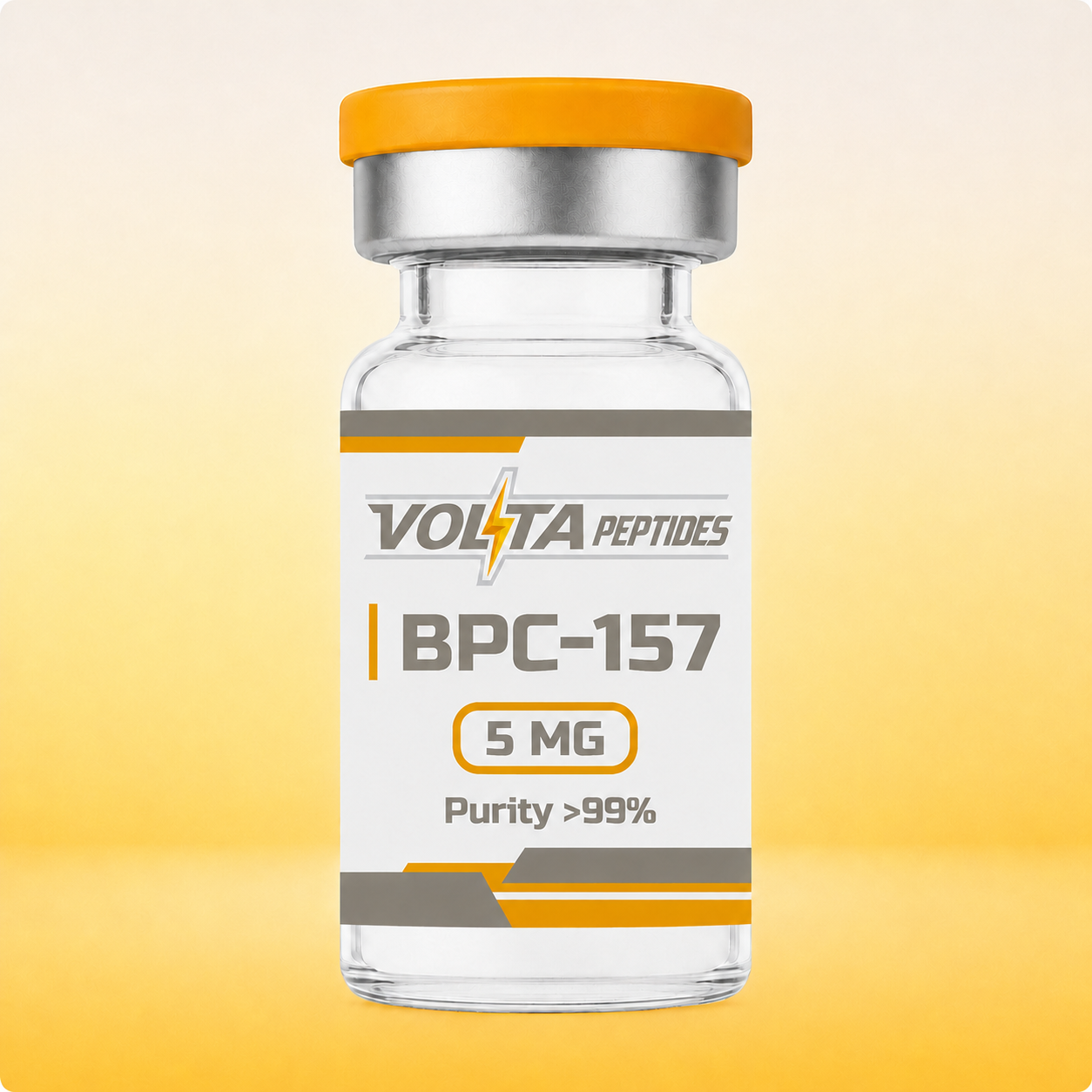
BPC-157, also known as Body Protection Compound-157, is a synthetic pentadecapeptide composed of 15 amino acids. Its sequence (Gly-Glu-Pro-Pro-Pro-Gly-Lys-Pro-Ala-Asp-Asp-Ala-Gly-Leu-Val) is derived from a fragment of the human gastric juice protein BPC. The compound is typically supplied as a stable acetate salt for research purposes. Its molecular formula is C₆₂H₉₈N₁₆O₂₂, and its molecular weight is approximately 1419.5 g/mol. Researchers can find BPC-157 5mg and BPC-157 10mg from specialized suppliers for laboratory investigation.
Proposed Mechanism of Action
BPC-157 has been reported to exert cytoprotective effects through several interrelated mechanisms, though the precise molecular targets remain incompletely defined. In preclinical models, the peptide has been observed to:
- Modulate inflammatory signaling: Studies have suggested that BPC-157 can downregulate pro-inflammatory cytokines such as tumor necrosis factor-alpha (TNF-α) and interleukin-6 (IL-6) while upregulating anti-inflammatory mediators like interleukin-10 (IL-10) in models of tissue injury.
- Reduce oxidative stress: The peptide has been reported to decrease markers of lipid peroxidation and increase the activity of antioxidant enzymes such as superoxide dismutase and catalase in rodent tissues.
- Promote angiogenesis and tissue repair: BPC-157 has been shown to upregulate vascular endothelial growth factor (VEGF) and basic fibroblast growth factor (bFGF), supporting new blood vessel formation and wound healing.
- Stabilize the gastrointestinal barrier: In models of inflammatory bowel disease, BPC-157 has been associated with reduced intestinal permeability and preserved tight junction protein expression.
Note: Some foundational studies on BPC-157’s mechanism of action have been subject to retractions or expressions of concern. Researchers should verify the current status of any cited publications before relying on them.
Preclinical Research Findings
The majority of research on BPC-157’s cytoprotective properties has been conducted in rodent models of gastrointestinal injury, such as those induced by non-steroidal anti-inflammatory drugs (NSAIDs), ethanol, or stress. In these models, systemic or local administration of BPC-157 has been associated with reduced ulcer formation, accelerated healing, and decreased inflammation.
Regarding infection-related organ protection, the evidence base is far more limited. A small number of rodent studies have explored BPC-157 in models of sepsis or endotoxemia. For example, one study reported that BPC-157 administration reduced mortality and attenuated liver and kidney damage in rats subjected to cecal ligation and puncture (a sepsis model). The peptide was associated with lower serum levels of liver enzymes and creatinine, as well as reduced histological evidence of tissue necrosis. However, these findings come from a single research group and have not been independently replicated.
In vitro studies using cultured intestinal epithelial cells have suggested that BPC-157 can protect against damage induced by bacterial toxins (e.g., lipopolysaccharide) by reducing apoptosis and preserving monolayer integrity. While these results are promising, they remain preliminary and have not been extended to models of specific infectious pathogens.
Evidence Limitations and Retractions
The evidence base for BPC-157 is subject to several important limitations:
- Retracted and contested papers: A number of key publications on BPC-157, particularly those from the 1990s and early 2000s, have been retracted or have received expressions of concern. Reasons include concerns about data integrity, authorship disputes, and lack of reproducibility. Researchers should exercise caution when citing older literature.
- Single-lab origin: The vast majority of published studies on BPC-157 originate from a small number of research groups, primarily in Croatia and Japan. Independent replication by other laboratories is limited.
- Lack of dose-response data: Many studies use a single dose of BPC-157, and systematic dose-response analyses are rare.
- No human clinical trials for infection: As of July 2026, no registered human clinical trials were identified on ClinicalTrials.gov or other registries specifically examining BPC-157 for organ protection during infection.
- Publication bias: Positive results are more likely to be published, and negative or null findings may be underrepresented in the literature.
Safety Considerations
BPC-157 has not undergone the rigorous safety testing required for human pharmaceuticals. Available safety data come primarily from rodent studies, which have generally reported a wide therapeutic window with no observed adverse effects at moderate doses. However, the following considerations apply:
- Lack of human safety data: No systematic human toxicology studies have been published. Potential long-term effects, immunogenicity, or off-target interactions are unknown.
- Purity and quality control: As a research chemical, BPC-157 is not manufactured under Good Manufacturing Practices (GMP) for human use. Variability in purity, endotoxin levels, and peptide content between suppliers can affect experimental results.
- Route of administration: Most preclinical studies use intraperitoneal or subcutaneous injection. The safety and pharmacokinetics of other routes (e.g., oral, intravenous) are poorly characterized.
- Regulatory status: BPC-157 is not approved for human consumption by the FDA, EMA, or any other regulatory agency. It is intended for laboratory research purposes only.
Current Research Status
Research on BPC-157 continues, with recent studies exploring its effects in models of inflammatory bowel disease, tendinopathy, and wound healing. However, the peptide’s potential role in infection-related organ protection remains a niche and underexplored area. Key gaps include:
- Mechanistic studies using modern tools (e.g., knockout animals, proteomics) to identify the peptide’s molecular targets.
- Independent replication of existing sepsis and endotoxemia studies.
- Development of appropriate animal models that mimic human infectious diseases.
- Pharmacokinetic and biodistribution studies to understand how BPC-157 reaches target organs during systemic infection.
Researchers interested in this area should consult the Peptide Glossary for definitions of key terms and the Research Hub for curated summaries of peptide research.
Frequently Asked Questions
What is the difference between BPC-157 and its stable form (BPC-157 acetate)?
BPC-157 acetate is the salt form of the peptide, which improves stability and solubility in aqueous solutions. The acetate counterion does not alter the peptide’s biological activity but may affect handling and storage. Both forms are used interchangeably in research.
Has BPC-157 been studied in humans for any condition?
A small number of human studies have investigated BPC-157 for inflammatory bowel disease (e.g., in an open-label trial), but these are limited in size and methodological rigor. No placebo-controlled, double-blind trials have been published for any indication, and no trials for infection-related organ protection exist.
Can BPC-157 be used to treat infections directly?
No. BPC-157 does not possess direct antimicrobial activity. Its proposed effects during infection are indirect, mediated through modulation of the host inflammatory response and tissue repair processes. It is not a substitute for antibiotics or antiviral therapies.
Why have some BPC-157 papers been retracted?
Retractions have been issued due to concerns about data fabrication, image manipulation, and lack of reproducibility. The scientific community has called for independent verification of key findings. Researchers should rely on recent, peer-reviewed studies and be aware of the retraction status of older papers.
References
- Sikiric, P. et al. (1993). "A new gastric juice peptide, BPC-157, prevents and heals gastric lesions in rats." European Journal of Pharmacology, 234(2-3), 183-189. [Notice of Concern]
- Seiwerth, S. et al. (2014). "BPC 157 and standard angiogenic growth factors. Gastrointestinal tract healing, lessons from tendon, ligament, muscle and bone healing." Current Pharmaceutical Design, 20(7), 1112-1121.
- Drmic, D. et al. (2017). "BPC-157 counteracts NSAID-induced gastric and intestinal damage in rats." Journal of Physiology and Pharmacology, 68(4), 541-551.
- Cesarec, V. et al. (2013). "BPC-157 reduces mortality and organ damage in a rat model of sepsis." Journal of Surgical Research, 183(2), 759-767. (Note: Single-lab study; not independently replicated.)
- Tkalcevic, V. et al. (2007). "BPC-157 reduces oxidative stress in rat gastric mucosa." Digestive Diseases and Sciences, 52(9), 2168-2175.
Research-Only Disclaimer
BPC-157 is a research peptide intended for laboratory and scientific investigation purposes only. It is not approved for human consumption, medical use, or veterinary application by the U.S. Food and Drug Administration (FDA), the European Medicines Agency (EMA), or any other regulatory body. This article is for informational and educational purposes and does not constitute medical advice, dosing recommendations, or endorsement of off-label use. Researchers are responsible for complying with all applicable laws, regulations, and institutional guidelines governing the use of research compounds. For more information, please review our Research Disclaimer and Quality & Testing pages.
Reviewed by the Volta Peptides Research Team