clinical research
53 articles tagged with ‘clinical research’
Research Peptides: Classification, Applications, and Regulatory Framework
A comprehensive review of research peptide classification, mechanisms, preclinical evidence, regulatory frameworks, and safety considerations for laboratory use.
Peptides vs Proteins: Structural Differences and Research Implications
Explore the structural differences between peptides and proteins, their distinct research roles, and implications for preclinical studies.
Peptide Synthesis: Solid-Phase and Solution-Phase Methods – A Comprehensive Research Review
Compare solid-phase vs solution-phase peptide synthesis methods, their mechanisms, limitations, and research applications.
Peptide Solubility: Factors, Guidelines, and Research Protocols
Comprehensive guide to peptide solubility factors, guidelines, and research protocols for laboratory use.
Peptide Purity: Standards, Testing, and Analytical Methods — A Research Guide
Explore peptide purity standards, analytical methods, and testing protocols for research. A comprehensive guide for scientists.
Peptide Purification: Methods, Techniques, and Quality Considerations for Research
Explore peptide purification methods including HPLC, techniques, and quality considerations for research peptide integrity.
Peptide Bonds: Chemistry, Formation, and Significance in Biochemistry
Explore peptide bond chemistry, formation mechanisms, and biochemical significance in this research article from Volta Peptides.
Peptides That Improve Bone Mineral Density: Osteoporosis Research Review
Research review of peptides investigated for bone mineral density in osteoporosis models, including preclinical evidence and limitations.
MOTS-C and Metabolism: How Does MOTS-C Improve Endurance and Bone Strength?
Explore the preclinical science behind MOTS-C, a mitochondrial peptide investigated for its effects on metabolism, endurance, and bone strength.
Tesofensine: Triple Monoamine Reuptake Inhibitor in Metabolic Research
Tesofensine triple monoamine reuptake inhibitor metabolic research preclinical evidence mechanisms safety
IGF-1 (Insulin-Like Growth Factor 1): Structure, Signaling, and Research Applications
IGF-1 peptide structure, signaling pathways, and preclinical research applications for laboratory investigation.
Epithalon and Telomeres: A Research Review of Telomerase Activation and Aging
Epithalon peptide research: telomerase activation, telomere length, and aging in preclinical models. Current evidence and limitations.
Gonadorelin vs HCG: Comparing GnRH Analogues in Reproductive Research
Compare gonadorelin vs HCG in reproductive research. Mechanisms, preclinical evidence, and limitations for GnRH analogue studies.
Thymosin Alpha-1: Immune Modulation and Clinical Research Overview
Research review of Thymosin Alpha-1: immune modulation mechanisms, preclinical evidence, and clinical research status for laboratory use.
TB-500 and the Brain: Thymosin Beta-4 in Neurological Research
Explore the preclinical evidence for TB-500 (Thymosin Beta-4) in neurological research, including mechanisms, limitations, and safety.
Cellular Senescence: What Is It and Why Does It Matter in Aging Research?
Cellular senescence in aging research: mechanisms, preclinical evidence, and limitations for peptide-based interventions.
SS-31 (Elamipretide): A Research Review on ALS, Diaphragm Strength, and Mitochondrial Function
SS-31 (Elamipretide) research for ALS, diaphragm strength, and mitochondrial function. Preclinical evidence review.
GHK-Cu and Hair Follicle Growth: A Review of Copper Peptide Dermatological Research
Explore the preclinical evidence on GHK-Cu for hair follicle growth, including proposed mechanisms and research limitations.
Peptides for Brain Research: Neurotrophic and Neuroprotective Compounds – A Scientific Review
Explore neurotrophic and neuroprotective peptides for brain research, including Semax, Cerebrolysin, and P21, with preclinical evidence analysis.
How Does BPC-157 Protect Organs During Infection? A Review of Cytoprotective Research
Explore BPC-157's cytoprotective mechanisms during infection in preclinical research. A review of evidence, limitations, and safety considerations.
Delta Sleep-Inducing Peptide (DSIP): Sleep Regulation and Neuropeptide Research
DSIP peptide research: sleep regulation mechanisms, preclinical evidence, limitations, and safety considerations for laboratory research.
PT-141: How Does Bremelanotide Work? A Research Review of Melanocortin Receptor Mechanisms
Explore the mechanism of PT-141 (Bremelanotide), a melanocortin receptor agonist. A research-focused review of preclinical evidence and limitations.
5-Amino-1MQ: NAD+ Salvage Pathway and Metabolic Research — A Scientific Review
Explore 5-Amino-1MQ research: NAD+ salvage pathway, NNMT inhibition, and metabolic effects in preclinical models.
PT-141 (Bremelanotide): Mechanisms of Action in MC Receptor Research
PT-141 (Bremelanotide) mechanisms in MC receptor research, preclinical evidence, and safety considerations for laboratory investigation.
Peptides vs SARMs: Key Differences in Research Applications
Compare peptides vs SARMs for research: mechanisms, evidence quality, safety profiles, and key differences in preclinical applications.
Thymosin Beta-4: Neuropathy, Senescence, and Regenerative Research – A Scientific Review
Thymosin Beta-4 research in neuropathy, senescence, and regenerative medicine. Preclinical evidence, mechanisms, and safety review.
Epitalon, Sleep, DNA, and Telomere Research: A Comprehensive Scientific Review
Epitalon research: sleep, DNA repair, telomere length. Preclinical evidence review for researchers.
Epithalon and Aging: A Research Review of Pineal Peptide Effects on Senescence
Research article on Epithalon, a synthetic pineal tetrapeptide investigated for its effects on cellular senescence and aging mechanisms in preclinical models.
Epithalon: Telomerase Activation and Longevity Research — A Comprehensive Scientific Review
Epithalon peptide research review: telomerase activation, preclinical longevity studies, mechanism, safety, and limitations.

What Is Retatrutide? Triple-Agonist Peptide Research Overview
Triple-agonist retatrutide research overview: mechanism, preclinical findings, evidence limitations, and safety considerations for laboratory investigation.
Cagrilintide Research: What Is Cagrilintide and How Does It Work?
Research review of Cagrilintide, a dual amylin and calcitonin receptor agonist, covering mechanism, preclinical data, and safety.
Where to Source Research-Grade Melanotan 2 Online: A Critical Evidence-Based Guide for Laboratories
Source research-grade Melanotan 2 online. Evaluate evidence quality, safety, and sourcing criteria for laboratory use.
Melanotan 2 and Appetite: Research on Hunger Suppression via MC4R Activation
Explore the research on Melanotan 2 and appetite suppression via MC4R activation. Preclinical evidence, mechanisms, and limitations reviewed.
Melanotan II: Facts, Mechanism, and Research Overview
Explore Melanotan II research: its mechanism as a melanocortin agonist, preclinical findings, evidence limitations, and safety considerations for laboratory studies.
Hallmarks of Aging Part 1: Genomic Instability, Epigenetic Alterations, and Loss of Proteostasis
Hallmarks of Aging Part 1: genomic instability, epigenetic alterations, and loss of proteostasis mechanisms.
Hallmarks of Aging Part 2: Mitochondrial Dysfunction, Deregulated Nutrient Sensing, and Telomere Attrition — A Research Overview
Explore mitochondrial dysfunction, nutrient sensing, and telomere attrition in aging research. Preclinical evidence and peptide implications.
Hallmarks of Aging Part 3: Cellular Senescence, Stem Cell Exhaustion, and Altered Intercellular Communication
Explore cellular senescence, stem cell exhaustion, and altered intercellular communication as key aging hallmarks in this in-depth research review.
Peptide Research Guide 2026: Key Developments and Trends
Explore key peptide research trends for 2026, including emerging compounds, evidence quality, safety considerations, and preclinical findings.
Peptides: What Are They and Why Do They Matter in Research?
A research-focused overview of peptides, their mechanisms, and preclinical evidence for scientific investigators.
What Is a Peptide? Fundamentals of Peptide Structure and Function
Explore peptide fundamentals: structure, function, and research applications. A scientific overview for researchers.
The Science of OS-01: A New Frontier Peptide in Skin Health Research
Explore the science of OS-01 peptide in skin health research, including proposed mechanisms, preclinical evidence, and current research status.
Tesamorelin: Mechanism of Action, Clinical Evidence, and Research Applications
Explore tesamorelin's mechanism, clinical evidence, and preclinical research applications for growth hormone-releasing hormone agonism.
Synergistic Regeneration: BPC-157, Thymosin Beta-4, and GHK-Cu in Healing Research
Explore the synergistic potential of BPC-157, Thymosin Beta-4, and GHK-Cu in regenerative research. Preclinical evidence and mechanisms reviewed.
Peptide Research in Neurological Disorders: A Preclinical Overview
Explore the preclinical evidence for peptides in neurological disorders, including mechanisms, limitations, and research-only status.
OS-01: Unlocking Potential Through AMPK Activation — A Research Review
A research review of OS-01, exploring its reported mechanism of AMPK activation and the current preclinical evidence base.
NAD+ and Glutathione: Anti-Aging Research, Benefits, and Synergistic Potential
Explore NAD+ and glutathione synergy in anti-aging research, mechanisms, preclinical evidence, and safety considerations for laboratory study.
Humanin: Mitochondrial-Derived Peptide for Cytoprotection and Longevity Research
Explore Humanin, a mitochondrial-derived peptide investigated for cytoprotection, anti-apoptosis, and longevity mechanisms in preclinical research.
Harnessing Peptides for Metabolic Health: Advances in Diabetes and Obesity Research
Explore the research potential of peptides for metabolic health, including diabetes and obesity. A review of preclinical evidence and safety.
Biological Age vs Chronological Age: Understanding the Difference and Research Implications
Understand the difference between biological age and chronological age, and how research peptides are investigated in aging studies.
Dihexa Research Review: Mechanism, Preclinical Evidence, Safety Questions, and Retractions
Dihexa (PNB-0408) research review: proposed HGF/c-Met mechanism, preclinical findings, 2025 retraction, notice of concern, safety, and evidence quality assessment.

TB-500 (Thymosin Beta 4): Mechanisms of Action and Research Findings in Tissue Regeneration
Explore TB-500 (Thymosin Beta 4) research: actin regulation, tissue regeneration, cardioprotection, and preclinical study findings for scientists.
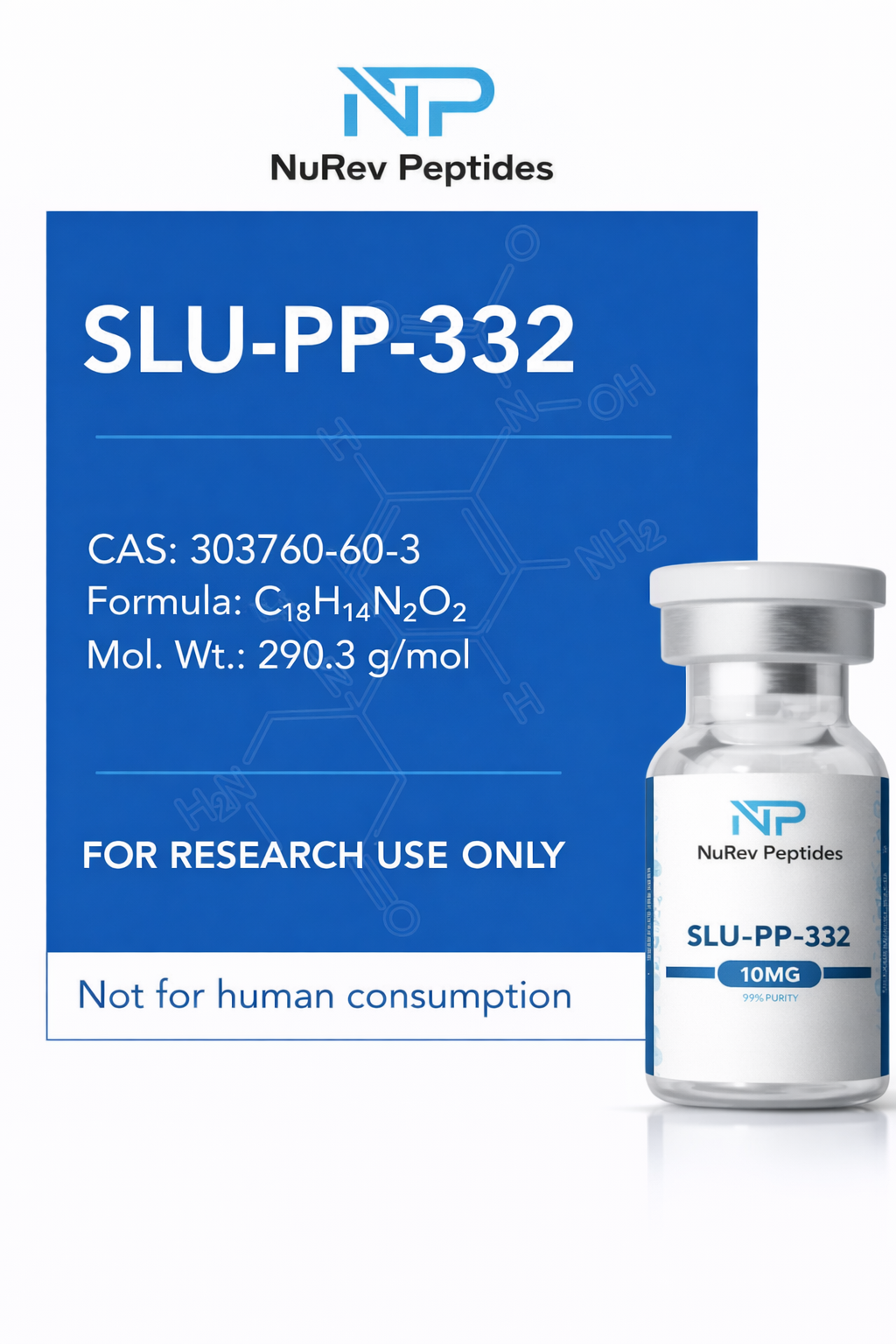
SLU-PP-332: A Synthetic ERRα Agonist in Biomedical Research
Explore SLU-PP-332 research: a synthetic ERRα agonist studied for mitochondrial function, metabolism, and tissue repair mechanisms.
Stem Cells vs. Exosomes: A Comparative Analysis in Regenerative Medicine Research
Compare stem cells vs exosomes in regenerative medicine. Mechanisms, types, and research applications explored for scientists.