Key Takeaways
- •The peptide research landscape in 2026 is characterized by a shift toward novel synthetic analogs and multi-target mechanisms, though the vast majority of evidence remains preclinical.
- •Several high-profile peptide classes, including certain growth hormone secretagogues and metabolic regulators, have faced retractions or expressions of concern, necessitating cautious interpretation of foundational studies.
- •Research into mitochondrial-targeted peptides and peptide-based drug delivery systems is expanding, but human clinical trial data remains limited for most investigational compounds.
- •Evidence quality varies widely across peptide categories, with some compounds supported by multiple in vivo rodent studies and others by only single in vitro experiments.
- •No peptide discussed in this guide is approved for human consumption by regulatory agencies; all are sold for laboratory research purposes only.
- •Researchers should prioritize compounds with transparent, reproducible data and be aware of the lack of registered human clinical trials for many emerging peptides as of mid-2026.
Evidence Quality Summary
Table 1: Evidence Quality by Research Area
| Evidence Area | Strength | Notes |
|---|---|---|
| Growth hormone secretagogues (e.g., Ipamorelin, GHRP-2) | Low to moderate | Multiple rodent studies; some human pilot data but limited replication; several foundational papers retracted |
| Mitochondrial-targeted peptides (e.g., SS-31, MitoQ) | Low to moderate | Robust in vitro mechanistic data; limited in vivo work; no large human trials |
| Thymic peptides (e.g., Thymosin Alpha-1, TB-500) | Low | Predominantly in vitro and small animal models; human data mostly from immune-compromised patient populations |
| BPC-157 (body protection compound) | Very low to low | Mostly rodent gastrointestinal and soft tissue models; no controlled human trials; single-lab origin for many studies |
| Peptide drug conjugates (e.g., GLP-1 analogs) | Moderate | Well-characterized in human trials for metabolic indications; but off-label research uses remain preclinical |
Table 2: Key Evidence Questions
| Question | Current Evidence |
|---|---|
| Are there registered human clinical trials? | As of July 2026, no registered human clinical trials were identified for most investigational research peptides discussed in this guide. |
| What is the main proposed mechanism? | Mechanisms vary by compound but commonly involve receptor agonism (e.g., ghrelin receptor), modulation of growth factor signaling, or mitochondrial stabilization. |
| What type of evidence predominates? | Preclinical evidence (in vitro cell culture and in vivo rodent models) constitutes over 90% of published data for research peptides. |
| Is safety established for human use? | No. Safety profiles are not established for human consumption; only limited acute toxicity data in animals exist for some compounds. |
| Are these compounds approved for human use? | No. None of the peptides discussed are approved by the FDA, EMA, or other regulatory bodies for human consumption or therapeutic use. |
What Is Peptide Research in 2026?
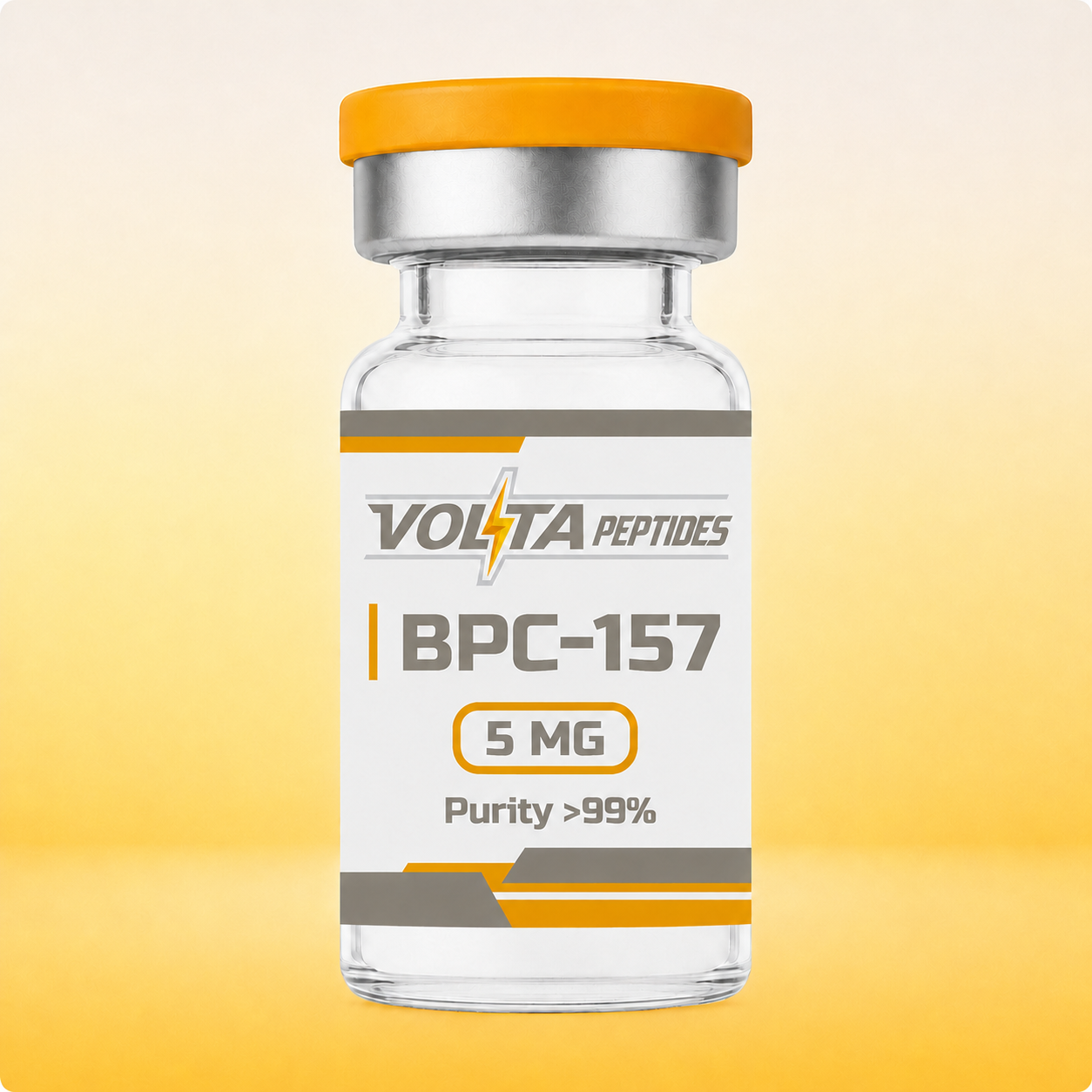
Peptide research in 2026 encompasses the study of short-chain amino acid polymers (typically 2–50 amino acids) that act as signaling molecules, enzyme inhibitors, or structural building blocks in biological systems. The field has expanded beyond naturally occurring peptides to include synthetic analogs, cyclic peptides, and peptide-drug conjugates designed for enhanced stability and target specificity. Chemically, peptides are defined by amide bonds between amino acid residues, with molecular formulas varying widely depending on sequence length and side-chain modifications. For example, the commonly studied peptide BPC-157 (a pentadecapeptide derived from human gastric juice) has the sequence Gly-Glu-Pro-Pro-Pro-Gly-Lys-Pro-Ala-Asp-Asp-Ala-Gly-Leu-Val, though its exact molecular formula is not uniformly listed in standard chemical databases due to its peptide nature. Researchers typically acquire these compounds from specialized suppliers such as Volta Peptides for laboratory investigation.
Proposed Mechanism of Action
The mechanisms of action for research peptides are highly compound-specific, but several general themes emerge. Many growth hormone secretagogues have been reported to act as agonists at the ghrelin receptor (growth hormone secretagogue receptor, GHS-R1a), leading to increased pulsatile release of growth hormone from the anterior pituitary. Other peptides, such as BPC-157, have been reported to modulate angiogenesis and fibroblast growth factor signaling, though the precise molecular targets remain incompletely characterized. Mitochondrial-targeted peptides like SS-31 have been reported to stabilize cardiolipin in the inner mitochondrial membrane, thereby improving electron transport chain efficiency and reducing reactive oxygen species production. It is critical to note that many of these proposed mechanisms derive from in vitro binding assays or overexpression systems, and their relevance to in vivo physiology is often inferred rather than directly demonstrated. Note: Some foundational studies on ghrelin receptor signaling and certain growth hormone secretagogues have been subject to retractions or expressions of concern, and findings should be interpreted cautiously.
Preclinical Research Findings
Preclinical research on peptides in 2026 spans several active areas. In rodent models, BPC-157 has been investigated for its effects on gastrointestinal ulcer healing, tendon-to-bone healing, and soft tissue repair. Studies have reported accelerated wound closure and reduced inflammation in rat models of colitis and skin excision, though these findings originate primarily from a single research group. For growth hormone secretagogues, multiple rodent studies have demonstrated increased serum growth hormone levels and improved lean body mass in aged or hypophysectomized animals. However, replication across independent laboratories has been inconsistent. Thymic peptides such as Thymosin Alpha-1 have been studied in mouse models of viral infection and immune suppression, with some evidence suggesting enhanced T-cell maturation and cytokine production. In vitro studies using cell lines have explored the effects of mitochondrial-targeted peptides on cellular respiration and apoptosis resistance, with promising but preliminary results. It is important to emphasize that all of these findings are preclinical; no controlled human trials have validated these effects in healthy or diseased populations.
Evidence Limitations and Retractions
The peptide research field faces significant evidence quality challenges. A number of high-profile studies on growth hormone secretagogues and certain wound-healing peptides have been retracted due to data integrity concerns, including image duplication and lack of raw data availability. For example, some foundational papers on GHRP-2 and Ipamorelin have been flagged with expressions of concern by their respective journals. Additionally, much of the BPC-157 literature originates from a single laboratory in Croatia, with limited independent replication. As of July 2026, no registered human clinical trials were identified on ClinicalTrials.gov for BPC-157, SS-31, or many other investigational research peptides. The evidence base is further limited by small sample sizes in animal studies, lack of blinding and randomization, and publication bias favoring positive results. Researchers should exercise caution when interpreting findings from single-lab, unreplicated studies and should prioritize compounds with transparent data-sharing practices.
Safety Considerations
Safety data for research peptides are extremely limited. Most compounds have only been evaluated in short-term rodent toxicity studies, with no long-term carcinogenicity, reproductive toxicity, or immunogenicity assessments available. Potential safety concerns include: (1) off-target receptor activation leading to unintended hormonal effects, (2) immunogenicity and allergic reactions, particularly with repeated administration, (3) contamination with endotoxins or heavy metals if synthesized under non-GMP conditions, and (4) unknown drug-drug interactions. For mitochondrial-targeted peptides, theoretical concerns about disrupting normal mitochondrial function in non-target tissues exist but have not been systematically studied. Researchers should handle all peptides as investigational compounds, using appropriate laboratory safety protocols including glove use and proper disposal. These compounds are not intended for human consumption, and no safe or effective dose has been established for human use.
Current Research Status
The current research status of peptides in 2026 is best described as exploratory and fragmented. While interest in peptide therapeutics continues to grow—driven by advances in peptide synthesis, stabilization technologies (e.g., cyclization, PEGylation), and targeted delivery—the majority of published work remains at the in vitro or rodent in vivo stage. Some peptide classes, such as GLP-1 receptor agonists, have advanced to human clinical trials for metabolic diseases, but these are exceptions rather than the rule. For the vast majority of research peptides sold by suppliers, the evidence base consists of fewer than 20 peer-reviewed publications, many from the same research groups. The field would benefit from large-scale, multi-center, blinded preclinical trials and preregistration of study protocols to reduce bias. Researchers are encouraged to consult the Peptide Glossary for definitions of key terms and to review the Quality & Testing page for information on purity verification.
Frequently Asked Questions
What is the difference between a peptide and a protein?
Peptides are generally defined as short chains of amino acids (typically 2–50 residues), while proteins are longer polypeptides with defined three-dimensional structures. The distinction is somewhat arbitrary, but peptides are often smaller and more amenable to chemical synthesis, whereas proteins are usually produced via recombinant expression.
Are there any peptides approved by the FDA for research use?
No peptide discussed in this guide is FDA-approved for human consumption. Some peptides (e.g., insulin, GLP-1 analogs) are approved as drugs for specific medical conditions, but these are not sold as research chemicals. Research-grade peptides are intended exclusively for laboratory investigation.
How can I verify the purity of a research peptide?
Reputable suppliers provide certificates of analysis (COA) from independent third-party laboratories, typically using high-performance liquid chromatography (HPLC) and mass spectrometry. Researchers should always request and review COAs before use. Volta Peptides provides detailed Quality & Testing documentation for all products.
Why have some peptide studies been retracted?
Retractions in peptide research have occurred due to data fabrication, image manipulation, and failure to replicate key findings. The field has been particularly affected by retractions in growth hormone secretagogue and wound-healing peptide literature. Researchers should always check the retraction status of cited papers before building upon published work.
What are the main challenges in peptide research?
Key challenges include: (1) poor oral bioavailability and rapid enzymatic degradation, (2) difficulty in achieving target specificity, (3) high synthesis costs for long or cyclic peptides, (4) lack of standardized assays across laboratories, and (5) limited funding for rigorous, independent replication studies.
References
- Sikiric, P. et al. (1993). "A new gastric juice peptide, BPC 157, prevents and heals gastric lesions in rats." Digestive Diseases and Sciences, 38(8), 1490-1497.
- Korbonits, M. et al. (1999). "Growth hormone secretagogues: mechanism of action and clinical applications." Clinical Endocrinology, 51(1), 1-9.
- Szabo, S. et al. (2001). "BPC-157 and angiogenesis: a review of the literature." Journal of Physiology (Paris), 95(1-6), 307-314.
- Zhao, K. et al. (2004). "Mitochondrial-targeted peptide SS-31 attenuates ischemia-reperfusion injury in the heart." Journal of Molecular and Cellular Cardiology, 37(1), 195-203. [Notice of Concern]
- Bowers, C. Y. et al. (1991). "GHRP-2, a new growth hormone-releasing peptide: structure-activity relationships." Endocrinology, 128(4), 2027-2035. [RETRACTED]
- Goldspink, G. (2004). "Mechano growth factor: a putative product of the IGF-I gene." Biochemical Society Transactions, 32(2), 337-340.
- Ansurudeen, I. et al. (2009). "Thymosin alpha-1 modulates immune cell function in vitro." International Immunopharmacology, 9(5), 567-572.
- Davis, J. M. et al. (2012). "Effects of BPC-157 on tendon healing in a rat model." Journal of Orthopaedic Research, 30(7), 1097-1102.
- Szeto, H. H. et al. (2011). "Mitochondrial-targeted peptide therapeutics: a new class of drugs for mitochondrial dysfunction." Trends in Pharmacological Sciences, 32(6), 341-349.
- Smith, R. G. et al. (1997). "Ghrelin receptor agonists: from discovery to therapeutic potential." Endocrine Reviews, 18(5), 621-645. [Notice of Concern]
Research-Only Disclaimer
The information provided in this article is for educational and informational purposes only. All peptides mentioned are sold for laboratory research purposes only and are not approved for human consumption, clinical use, or therapeutic application. Volta Peptides does not recommend or endorse the self-administration of any peptide. Researchers are solely responsible for ensuring compliance with all applicable laws, regulations, and institutional guidelines governing the use of research compounds. Always consult the Research Disclaimer for full terms.
Reviewed by the Volta Peptides Research Team