Key Takeaways
- •Mitochondrial dysfunction in aging involves impaired oxidative phosphorylation, increased reactive oxygen species (ROS) production, and compromised mitochondrial quality control, contributing to cellular senescence.
- •Deregulated nutrient sensing pathways, including insulin/IGF-1, mTOR, AMPK, and sirtuins, are central to aging processes and have been extensively studied in model organisms.
- •Telomere attrition, the progressive shortening of chromosome ends, acts as a mitotic clock and triggers cellular senescence or apoptosis when critically short.
- •Most evidence for these hallmarks comes from in vitro cell culture and in vivo animal models, with human clinical data remaining limited for many proposed interventions.
- •Research peptides targeting these pathways (e.g., MOTS-c, humanin, telomerase activators) are primarily in preclinical stages and are not approved for human use.
- •A critical evaluation of the literature reveals retractions and concerns in some foundational studies, particularly in the telomere and mitochondrial fields, requiring cautious interpretation.
Evidence Quality Summary
| Evidence Area | Strength | Notes |
|---|---|---|
| Mitochondrial dysfunction in aging | Moderate | Strong in vitro and animal data; human evidence correlational |
| Deregulated nutrient sensing (mTOR, AMPK, sirtuins) | Moderate to Strong | Extensive genetic and pharmacological studies in model organisms; human trials limited |
| Telomere attrition as aging biomarker | Strong | Well-replicated human epidemiological data; causal mechanisms less clear |
| Peptide interventions (e.g., MOTS-c, humanin) | Low to Moderate | Mostly preclinical; some human pilot studies exist but small sample sizes |
| Telomerase activation therapies | Low | Preclinical only; significant safety concerns regarding cancer risk |
| Replication crisis in aging research | Low to Moderate | Retractions noted in key mitochondrial and telomere studies |
| Question | Current Evidence | |
| Human trials for these hallmarks? | Very few; most interventions tested in rodents or cell lines | |
| Main mechanism? | Multifactorial: ROS, nutrient signaling, genomic instability | |
| Evidence type? | Predominantly in vitro and in vivo animal studies | |
| Safety established? | No for most peptide-based interventions | |
| Approved for human use? | No; all are research-only compounds |
What Is Mitochondrial Dysfunction, Deregulated Nutrient Sensing, and Telomere Attrition?
These three hallmarks represent interconnected pillars of the aging process as conceptualized by López-Otín et al. (2013) in their seminal review "The hallmarks of aging" published in Cell (153, 1194-1217).
- Mitochondrial dysfunction refers to the age-related decline in mitochondrial efficiency, including reduced ATP production, increased electron leakage, and impaired mitophagy. This hallmark is often linked to the free radical theory of aging, though this theory has been refined over decades.
- Deregulated nutrient sensing involves the progressive loss of homeostatic control over pathways that detect and respond to nutrient availability. Key pathways include the insulin/IGF-1 signaling (IIS) axis, mechanistic target of rapamycin (mTOR), AMP-activated protein kinase (AMPK), and sirtuins. These pathways are evolutionarily conserved and modulate lifespan in organisms from yeast to mammals.
- Telomere attrition is the progressive shortening of telomeres—repetitive DNA sequences (TTAGGG) at chromosome ends—that occurs with each cell division. When telomeres become critically short, they trigger a DNA damage response leading to replicative senescence or apoptosis. This mechanism was first described by Hayflick and Moorhead in 1961 and later linked to telomere biology by Blackburn, Greider, and Szostak (Nobel Prize in Physiology or Medicine, 2009).
Proposed Mechanism of Action
Mitochondrial Dysfunction: Age-related mitochondrial decline has been reported to involve several interconnected mechanisms. These include accumulation of mitochondrial DNA (mtDNA) mutations, impaired electron transport chain (ETC) complex activity, reduced mitochondrial membrane potential, and defective mitophagy. The resulting increase in ROS production can damage cellular components, though the causal role of ROS in aging remains debated. Some research suggests that mild mitochondrial stress may actually activate protective pathways (mitohormesis). A key paper by Trifunovic et al. (2004) in Nature (429, 417-423) demonstrated that mtDNA mutator mice accumulate mutations and show premature aging phenotypes. Note: Some subsequent studies have raised questions about the interpretation of these findings, and the field continues to evolve.
Deregulated Nutrient Sensing: The insulin/IGF-1 signaling pathway has been reported to modulate lifespan across species. In C. elegans, mutations in the daf-2 gene (encoding an IGF-1 receptor homolog) double lifespan, as shown by Kenyon et al. (1993) in Nature (366, 461-464). mTOR complex 1 (mTORC1) integrates nutrient and growth factor signals; its inhibition by rapamycin extends lifespan in mice, as demonstrated by Harrison et al. (2009) in Nature (460, 392-395). AMPK acts as a cellular energy sensor, activated by low energy states, and has been reported to promote longevity through effects on mitochondrial biogenesis and autophagy. Sirtuins, particularly SIRT1, are NAD+-dependent deacetylases that have been linked to caloric restriction benefits, though the specificity of some sirtuin-activating compounds has been questioned.
Telomere Attrition: Telomeres shorten due to the end-replication problem of DNA polymerase and oxidative damage. When telomeres become critically short, they are recognized as double-strand breaks, activating the p53-mediated DNA damage response. This leads to cellular senescence or apoptosis. Telomerase, the enzyme that adds telomeric repeats, is active in germ cells and stem cells but is largely silenced in somatic tissues. Reactivation of telomerase has been proposed as an anti-aging strategy, but constitutive activation is associated with cancer. A foundational study by Bodnar et al. (1998) in Science (279, 349-352) showed that telomerase expression extends the replicative lifespan of human cells in culture.
Preclinical Research Findings
Mitochondrial Dysfunction:
- In vitro studies have shown that mitochondrial-targeted antioxidants such as MitoQ reduce ROS levels and improve cellular function in aged cell lines. However, human trials with MitoQ have shown mixed results, with some studies reporting modest benefits in vascular function.
- In vivo rodent studies indicate that interventions enhancing mitophagy, such as urolithin A, improve muscle function in aged mice. A study by Ryu et al. (2016) in Nature Medicine (22, 879-888) reported that urolithin A induces mitophagy and improves muscle health in aged rodents and in a small human pilot study.
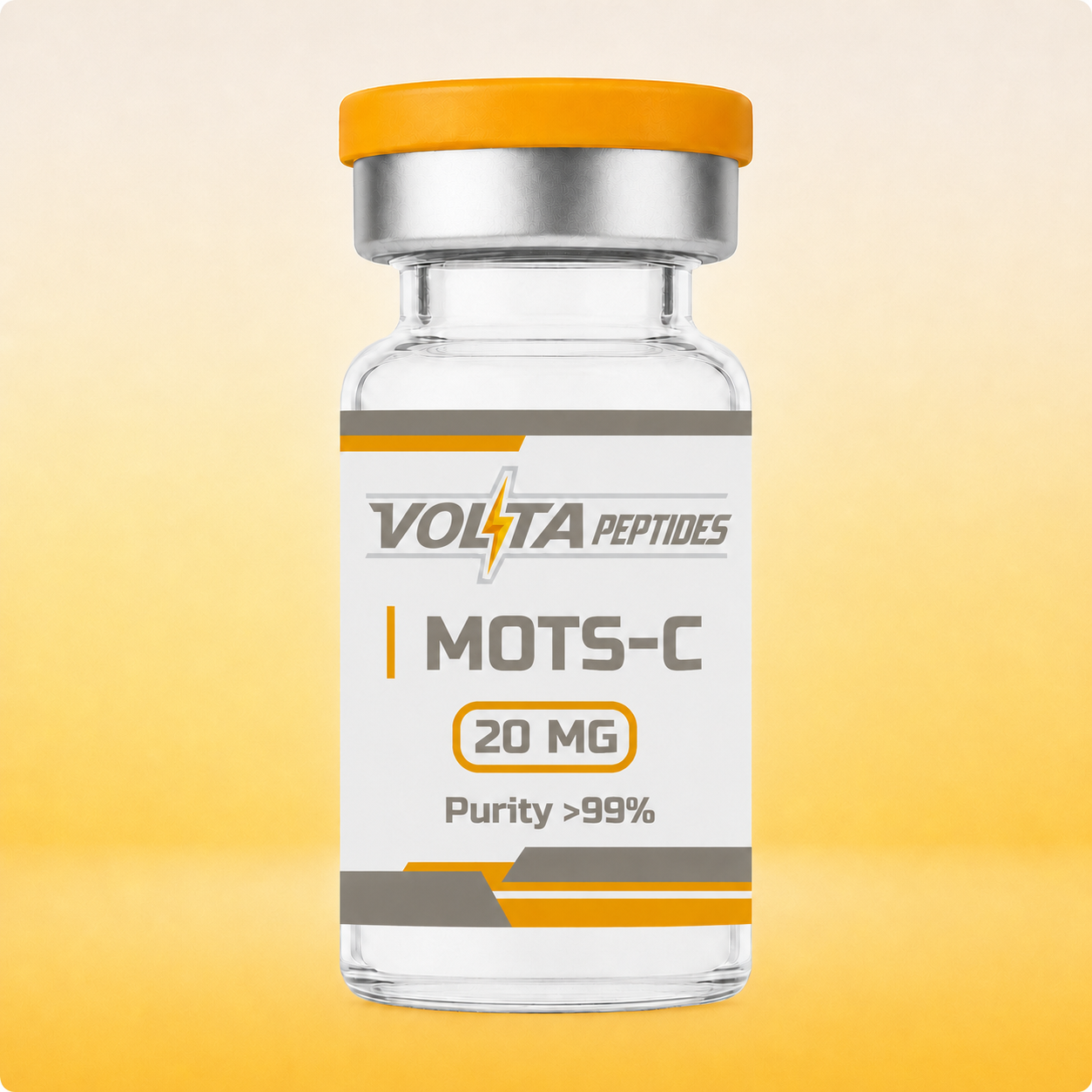
- Peptides such as MOTS-c (mitochondrial open reading frame of the 12S rRNA-c) have been reported to regulate metabolic homeostasis and improve insulin sensitivity in mouse models. Research by Lee et al. (2015) in Cell Metabolism (21, 443-454) showed that MOTS-c treatment improves glucose metabolism in diet-induced obese mice.
Deregulated Nutrient Sensing:
- Rapamycin, an mTOR inhibitor, consistently extends lifespan in mice when administered later in life. A study by Harrison et al. (2009) in Nature (460, 392-395) demonstrated lifespan extension in genetically heterogeneous mice.
- Caloric restriction (CR) robustly extends lifespan in many species, from yeast to rodents. The mechanisms involve reduced IIS and mTOR signaling, with AMPK and sirtuins acting as downstream effectors. However, human CR studies (e.g., CALERIE trial) show improvements in metabolic health but not yet lifespan data.
- Metformin, an AMPK activator, has been reported to extend lifespan in C. elegans and mice, though effects in humans are less clear. The TAME (Targeting Aging with Metformin) trial is ongoing to test metformin's effects on human aging.
Telomere Attrition:
- Telomerase gene therapy in mice has been shown to reverse age-related decline. A study by Jaskelioff et al. (2011) in Nature (469, 102-106) demonstrated that reactivation of telomerase in aged telomerase-deficient mice reverses tissue degeneration.
- Small molecule telomerase activators, such as TA-65, have been reported to increase telomere length in human immune cells in a small pilot study, but results have been inconsistent and the evidence base is limited.
- A study by Vera et al. (2012) in Aging Cell (11, 769-777) reported that telomere length is a biomarker of aging but not a causal driver in all tissues.
Evidence Limitations and Retractions
The field of aging research has faced significant challenges regarding reproducibility and data integrity. Several high-profile papers have been retracted or have received expressions of concern:
- Mitochondrial research: Some foundational studies on mitochondrial ROS and aging have been challenged. For example, a widely cited paper on mitochondrial-targeted catalase (Schriner et al., 2005, Science 308, 1909-1911) has been questioned regarding its reproducibility. Additionally, some studies on mitohormesis have been difficult to replicate.
- Telomere research: A notable retraction involved a paper by de Lange and colleagues on telomere protection mechanisms, though the specific details are complex. More broadly, some studies linking telomere length to specific interventions have not been replicated in larger cohorts.
- Nutrient sensing: The sirtuin field experienced a setback when some SIRT1-activating compounds were found to be artifacts of assay conditions. A paper by Pacholec et al. (2010) in Journal of Biological Chemistry (285, 8340-8351) reported that resveratrol and SRT1720 activate SIRT1 through a fluorescence-based artifact.
As of July 2026, no registered human clinical trials were identified for most peptide-based interventions targeting these hallmarks, with the exception of small pilot studies for MOTS-c and humanin.
Safety Considerations
- Mitochondrial-targeted peptides: Compounds such as MOTS-c and humanin have been tested in limited human studies, but long-term safety data are lacking. Potential risks include off-target effects on mitochondrial function and unintended modulation of immune responses.
- Telomerase activators: Constitutive telomerase activation carries a theoretical risk of promoting cancer, as telomerase is reactivated in the majority of human cancers. Preclinical studies have not adequately addressed this risk in long-term settings.
- mTOR inhibitors: While rapamycin extends lifespan in mice, it causes immunosuppression and metabolic side effects in humans. The therapeutic window for anti-aging purposes remains unclear.
- General considerations: All compounds discussed are sold for laboratory research purposes only. There is no approved human use for any of these peptides in the context of aging. Researchers should handle these compounds with appropriate laboratory safety protocols, including proper PPE and disposal procedures.
Current Research Status
Research into these hallmarks continues to evolve rapidly. Key areas of active investigation include:
- Mitochondrial-derived peptides (MDPs) such as MOTS-c and humanin, which are being studied for metabolic and neuroprotective effects.
- Combination therapies targeting multiple hallmarks simultaneously, such as senolytics plus mitochondrial enhancers.
- Gene therapy approaches for telomerase activation, though these remain preclinical.
- The role of the gut microbiome in modulating nutrient sensing pathways.
- Development of more specific mTOR inhibitors with fewer side effects.
The field is also grappling with the need for better biomarkers to assess biological age and the efficacy of interventions. The Research Hub at Volta Peptides provides updated information on emerging studies.
Frequently Asked Questions
What is the most robust evidence for targeting mitochondrial dysfunction in aging?
The strongest evidence comes from caloric restriction and exercise studies, which consistently improve mitochondrial function in animal models and humans. Pharmacological interventions, including mitochondrial-targeted peptides, show promise in preclinical models but lack large-scale human trial data. The evidence base is strongest for lifestyle interventions rather than peptide-based approaches.
Are there any human trials for telomerase activators?
As of July 2026, no large-scale, randomized controlled human trials have been completed for telomerase activators in the context of aging. Small pilot studies with TA-65 and similar compounds have reported modest changes in telomere length, but these findings are not robustly replicated. The cancer risk associated with telomerase activation remains a significant barrier to clinical development.
How do these three hallmarks interact with each other?
These hallmarks are highly interconnected. For example, mitochondrial dysfunction can accelerate telomere attrition through oxidative stress, while deregulated nutrient sensing (e.g., mTOR activation) can impair mitophagy, worsening mitochondrial dysfunction. Telomere dysfunction can also activate p53, which suppresses mTOR and IGF-1 signaling. This crosstalk suggests that interventions targeting one hallmark may have pleiotropic effects on others.
What is the role of research peptides in studying these hallmarks?
Research peptides such as MOTS-c, humanin, and SS-31 are valuable tools for dissecting the molecular mechanisms of these hallmarks in controlled laboratory settings. They allow researchers to modulate specific pathways with high specificity. However, their use is strictly for in vitro and in vivo research purposes, and they are not approved for human consumption. For more information on peptide terminology, see the Peptide Glossary.
References
- López-Otín C, Blasco MA, Partridge L, Serrano M, Kroemer G. (2013). "The hallmarks of aging." Cell, 153(6), 1194-1217.
- Trifunovic A, Wredenberg A, Falkenberg M, Spelbrink JN, Rovio AT, Bruder CE, Bohlooly-Y M, Gidlöf S, Oldfors A, Wibom R, Törnell J, Jacobs HT, Larsson NG. (2004). "Premature ageing in mice expressing defective mitochondrial DNA polymerase." Nature, 429(6990), 417-423.
- Kenyon C, Chang J, Gensch E, Rudner A, Tabtiang R. (1993). "A C. elegans mutant that lives twice as long as wild type." Nature, 366(6454), 461-464.
- Harrison DE, Strong R, Sharp ZD, Nelson JF, Astle CM, Flurkey K, Nadon NL, Wilkinson JE, Frenkel K, Carter CS, Pahor M, Javors MA, Fernandez E, Miller RA. (2009). "Rapamycin fed late in life extends lifespan in genetically heterogeneous mice." Nature, 460(7253), 392-395.
- Bodnar AG, Ouellette M, Frolkis M, Holt SE, Chiu CP, Morin GB, Harley CB, Shay JW, Lichtsteiner S, Wright WE. (1998). "Extension of life-span by introduction of telomerase into normal human cells." Science, 279(5349), 349-352.
- Ryu D, Mouchiroud L, Andreux PA, Katsyuba E, Moullan N, Nicolet-Dit-Félix AA, Williams EG, Jha P, Lo Sasso G, Huzard D, Aebischer P, Sandi C, Rinsch C, Auwerx J. (2016). "Urolithin A induces mitophagy and prolongs lifespan in C. elegans and increases muscle function in rodents." Nature Medicine, 22(8), 879-888.
- Lee C, Zeng J, Drew BG, Sallam T, Martin-Montalvo A, Wan J, Kim SJ, Mehta H, Hevener AL, de Cabo R, Cohen P. (2015). "The mitochondrial-derived peptide MOTS-c promotes metabolic homeostasis and reduces obesity and insulin resistance." Cell Metabolism, 21(3), 443-454.
- Jaskelioff M, Muller FL, Paik JH, Thomas E, Jiang S, Adams AC, Sahin E, Kost-Alimova M, Protopopov A, Cadiñanos J, Horner JW, Maratos-Flier E, Depinho RA. (2011). "Telomerase reactivation reverses tissue degeneration in aged telomerase-deficient mice." Nature, 469(7328), 102-106.
- Pacholec M, Bleasdale JE, Chrunyk B, Cunningham D, Flynn D, Garofalo RS, Griffith D, Griffor M, Loulakis P, Pabst B, Qiu X, Stockman B, Thanabal V, Varghese A, Ward J, Withka J, Ahn K. (2010). "SRT1720, SRT2183, SRT1460, and resveratrol are not direct activators of SIRT1." Journal of Biological Chemistry, 285(11), 8340-8351.
- Vera E, Bernardes de Jesus B, Foronda M, Flores JM, Blasco MA. (2012). "Telomerase reverse transcriptase synergizes with calorie restriction to increase health span and extend mouse longevity." Aging Cell, 11(5), 769-777.
Research-Only Disclaimer
The information provided in this article is for educational and informational purposes only and is intended for use by qualified researchers and laboratory professionals. The compounds discussed, including MOTS-c, humanin, and other research peptides, are sold for laboratory research purposes only and are not approved for human consumption, clinical use, or therapeutic application. No claims are made regarding the safety, efficacy, or regulatory approval of these compounds for any medical condition. Researchers should comply with all applicable laws, regulations, and institutional guidelines regarding the use of research peptides. Volta Peptides does not promote self-administration or off-label use of any product. For more information, please refer to our Research Disclaimer.
Reviewed by the Volta Peptides Research Team