anti-aging
22 articles tagged with ‘anti-aging’
Epithalon and Telomeres: A Research Review of Telomerase Activation and Aging
Epithalon peptide research: telomerase activation, telomere length, and aging in preclinical models. Current evidence and limitations.
Thymosin Beta-4: Neuropathy, Senescence, and Regenerative Research – A Scientific Review
Thymosin Beta-4 research in neuropathy, senescence, and regenerative medicine. Preclinical evidence, mechanisms, and safety review.
Epitalon, Sleep, DNA, and Telomere Research: A Comprehensive Scientific Review
Epitalon research: sleep, DNA repair, telomere length. Preclinical evidence review for researchers.
Epithalon and Aging: A Research Review of Pineal Peptide Effects on Senescence
Research article on Epithalon, a synthetic pineal tetrapeptide investigated for its effects on cellular senescence and aging mechanisms in preclinical models.
Hallmarks of Aging Part 2: Mitochondrial Dysfunction, Deregulated Nutrient Sensing, and Telomere Attrition — A Research Overview
Explore mitochondrial dysfunction, nutrient sensing, and telomere attrition in aging research. Preclinical evidence and peptide implications.
Hallmarks of Aging Part 3: Cellular Senescence, Stem Cell Exhaustion, and Altered Intercellular Communication
Explore cellular senescence, stem cell exhaustion, and altered intercellular communication as key aging hallmarks in this in-depth research review.
The Science of OS-01: A New Frontier Peptide in Skin Health Research
Explore the science of OS-01 peptide in skin health research, including proposed mechanisms, preclinical evidence, and current research status.
NAD+ and Glutathione: Anti-Aging Research, Benefits, and Synergistic Potential
Explore NAD+ and glutathione synergy in anti-aging research, mechanisms, preclinical evidence, and safety considerations for laboratory study.
Biological Age vs Chronological Age: Understanding the Difference and Research Implications
Understand the difference between biological age and chronological age, and how research peptides are investigated in aging studies.
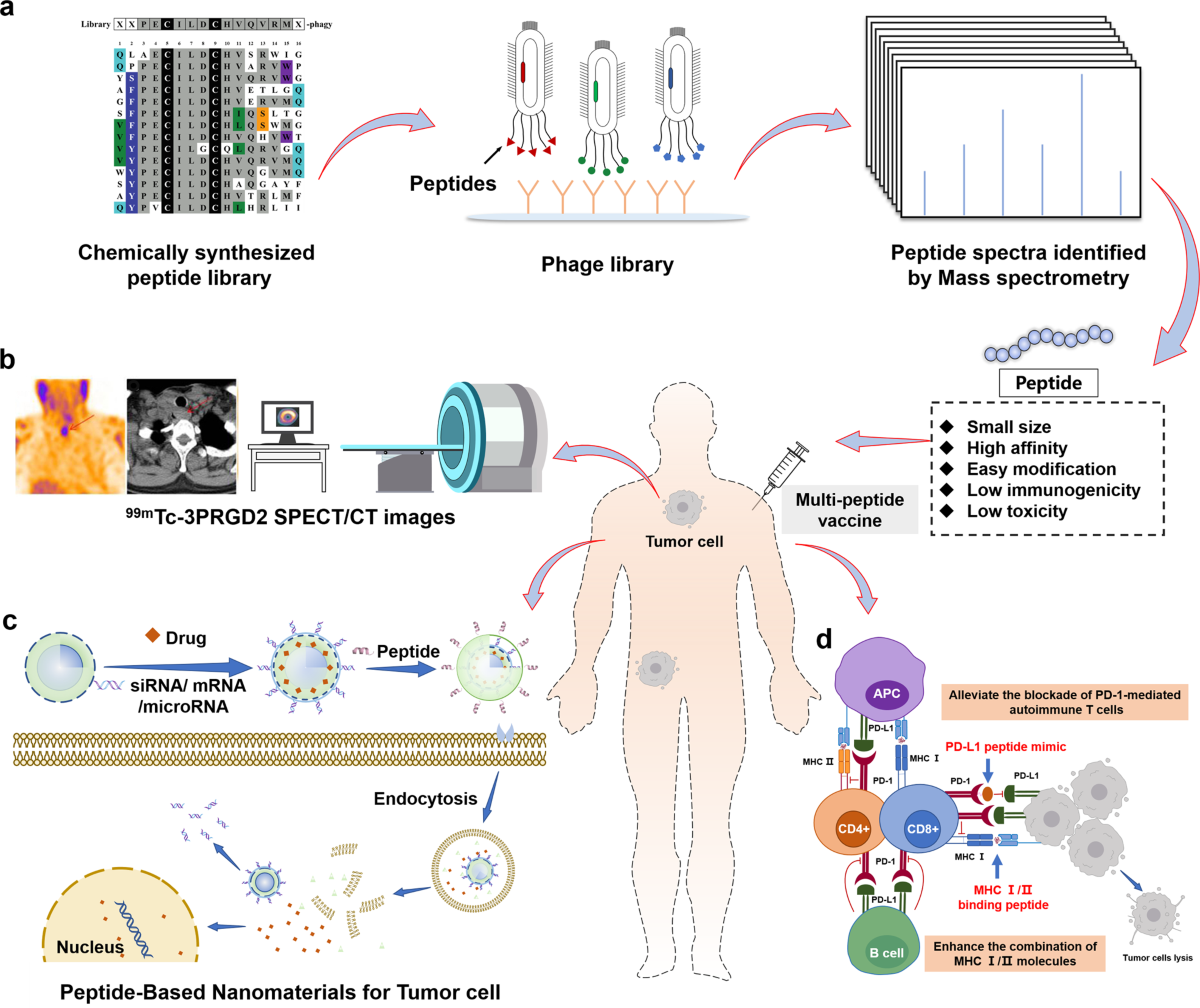
Understanding Peptide Research: Mechanisms, Classifications, and Scientific Applications
Explore peptide biochemistry, classifications, and research applications for immune modulation, wound healing, and longevity.
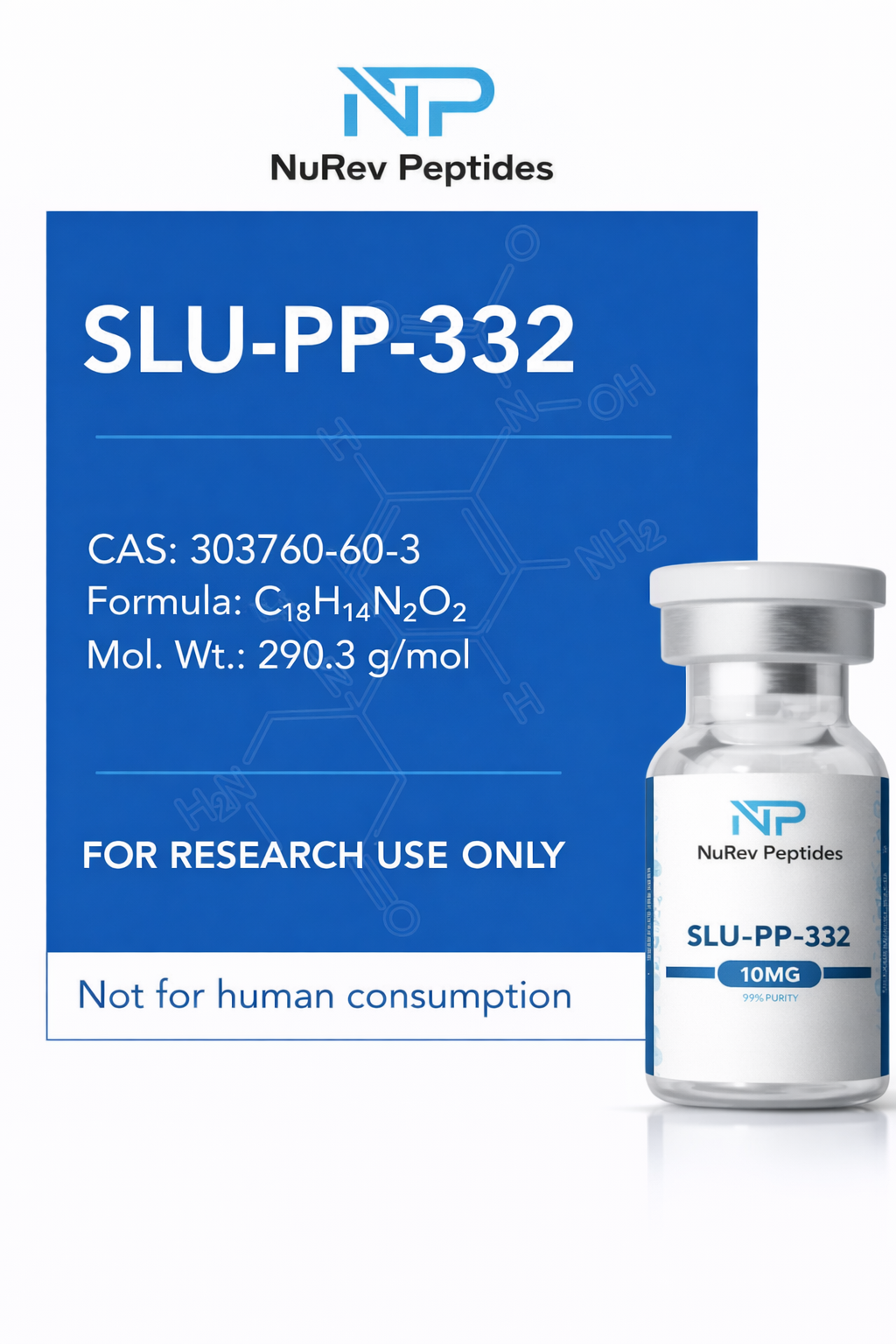
SLU-PP-332: A Synthetic ERRα Agonist in Biomedical Research
Explore SLU-PP-332 research: a synthetic ERRα agonist studied for mitochondrial function, metabolism, and tissue repair mechanisms.

GHK-Cu Peptide: Mechanisms of Action and Research Applications
Explore GHK-Cu research: mechanisms in wound healing, inflammation, cognition, and anti-cancer gene expression.

Anti-Aging Peptides: Research Compounds for Metabolism, Muscle, and Tissue Health
Explore a curated selection of anti-aging research peptides including BPC-157, GHK-CU, KPV, MOTS-C, NAD+, Retatrutide, SS-31, TB-500, and others. These compounds are studied for their potential roles in metabolism support, muscle growth, weight loss, and skin, tissue, and bone health. Average purity across products is 99.77%.
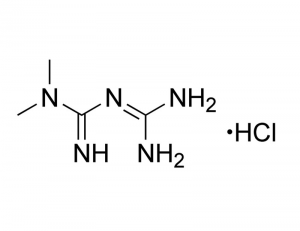
Advances in Promising Anti-Aging Therapies
Researchers continue to explore anti-aging treatments with notable progress in areas like metformin, mTOR inhibitors, senescent cell clearance, and factors in young blood. Preclinical studies show metformin extends lifespan in animals, while clinical trials with everolimus reduce infections in older adults. Recent papers highlight senescent cell removal and debates over GDF11 protein effects.
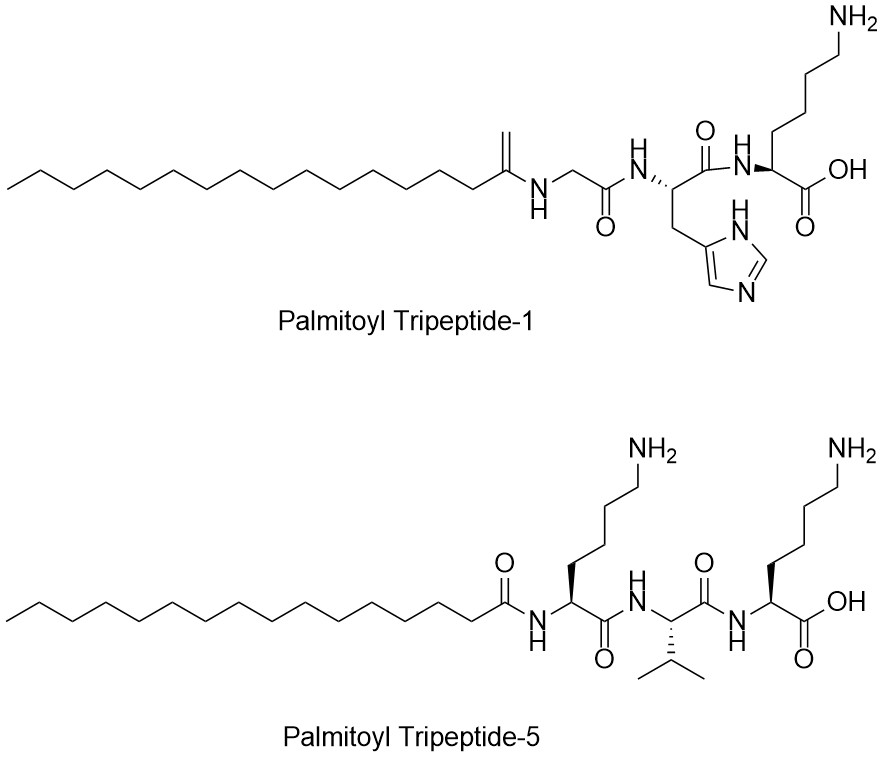
Palmitoyl Tripeptide: Multi-Benefit Peptide for Skin Care
Palmitoyl tripeptide compounds enhance skin health by boosting collagen production, inhibiting wrinkle-causing enzymes, and strengthening the skin barrier. Common variants include Palmitoyl tripeptide-1, Palmitoyl tripeptide-5, Palmitoyl tripeptide 37, and Palmitoyl tripeptide-38, each with unique effects based on their amino acid sequences. These peptides appear in anti-aging creams, moisturizers, and eye products to firm skin, even tone, and retain moisture.
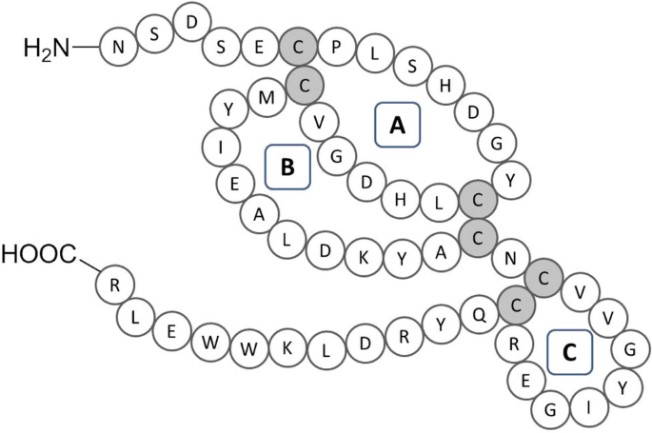
Oligopeptides: Powering Skin Repair, Anti-Aging, and Hair Growth
Oligopeptides consist of 2 to 20 amino acids linked by peptide bonds, offering strong biological effects for skin care and health. These short chains penetrate skin easily, promote collagen production, repair barriers, and support hair growth. Examples include palmitoyl oligopeptide for moisturizing and SH-Oligopeptide-1 for wound healing, with synthesis via solid-phase methods ensuring precise production.
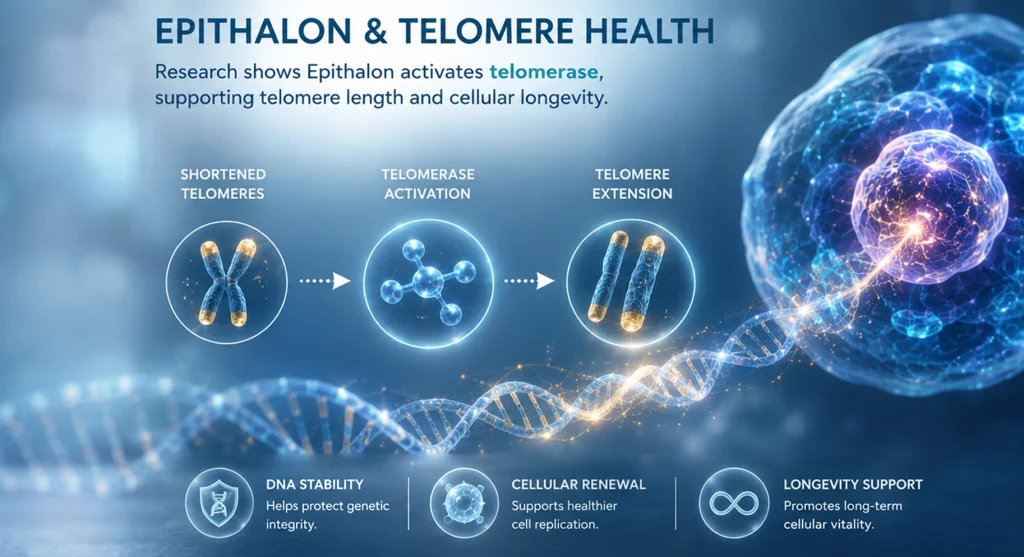
Epithalon Research: Telomerase Activation and Longevity Effects
Epithalon, a synthetic tetrapeptide (Ala-Glu-Asp-Gly, AEDG), activates telomerase in human cells, leading to telomere elongation according to studies by Vladimir Khavinson's group. Research also shows lifespan extensions of 6% to 25% in rodents, reduced tumor incidence, and restored melatonin rhythms in aging models. These findings link the peptide to pineal gland function and oxidative stress reduction, though independent replication remains limited.
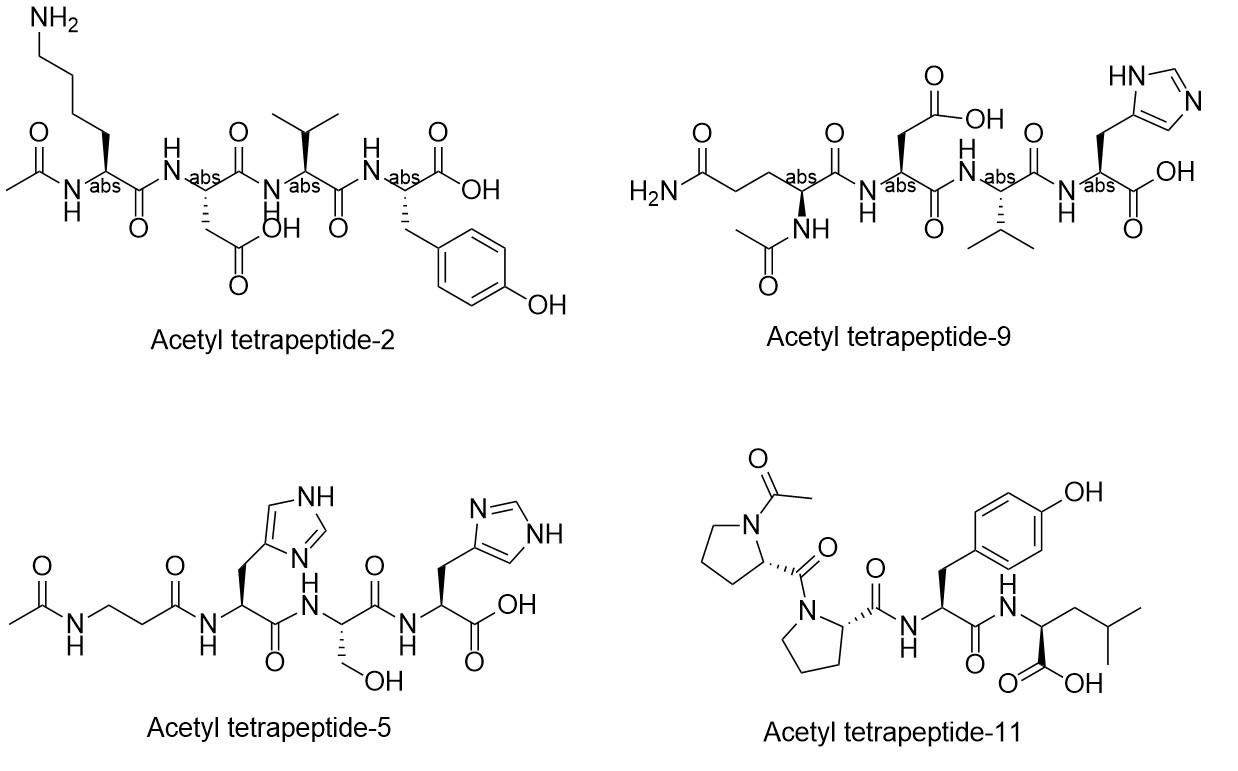
Acetyl Tetrapeptide: Multifunctional Peptide for Skin and Hair Health
Acetyl tetrapeptide serves as a biomimetic compound that mimics natural peptides to support anti-aging, eye care, and hair growth. Variants like acetyl tetrapeptide-2, -3, -5, -9, -11, and -17 target skin elasticity, reduce eye bags, and strengthen hair follicles through specific mechanisms such as ACE inhibition and collagen promotion. These peptides show promise in skincare and hair products due to their stability and skin penetration.

Anti-Aging Peptides: Key to Firmer, Smoother Skin Science
Anti-aging peptides, short amino acid chains, support collagen and elastin to maintain skin firmness and reduce fine lines. Research examines their roles in collagen production, barrier protection, hydration, and expression line improvement. These ingredients appear in many topical products to enhance texture and overall skin condition.
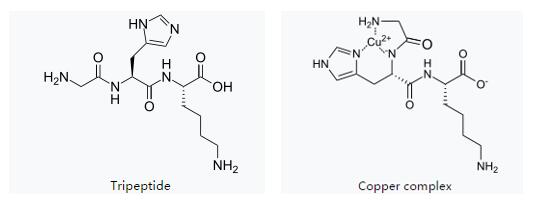
GHK and Copper Peptides: Key Roles in Skin Repair
GHK, or tripeptide-1 (glycyl-L-histadyl-L-lysine), acts as a carrier peptide that stabilizes and delivers copper, forming the GHK-Cu complex. This naturally occurring tripeptide in human plasma, saliva, and urine supports collagen production, wound healing, and anti-inflammatory responses. Research shows GHK-Cu stimulates fibroblasts, inhibits matrix metalloproteinases (MMPs), and promotes hair growth through pathways like Wnt/β-catenin.
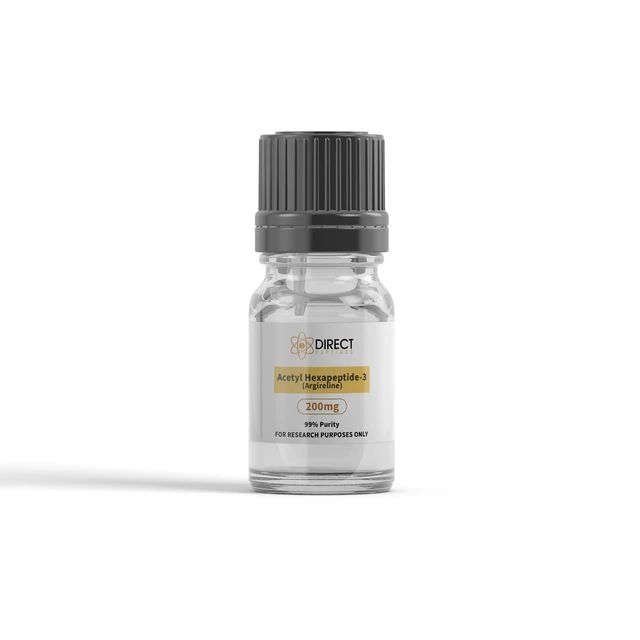
Acetyl Hexapeptide-3: Research on Anti-Wrinkle Skin Benefits
Acetyl Hexapeptide-3 serves as a synthetic hexapeptide in research focused on skin health improvement. Studies examine its role in limiting facial muscle contractions to lessen fine lines and wrinkles, while also boosting collagen and hydration. Available as a 200mg topical peptide for laboratory use, it shows promise as a non-invasive anti-aging option backed by clinical trials.
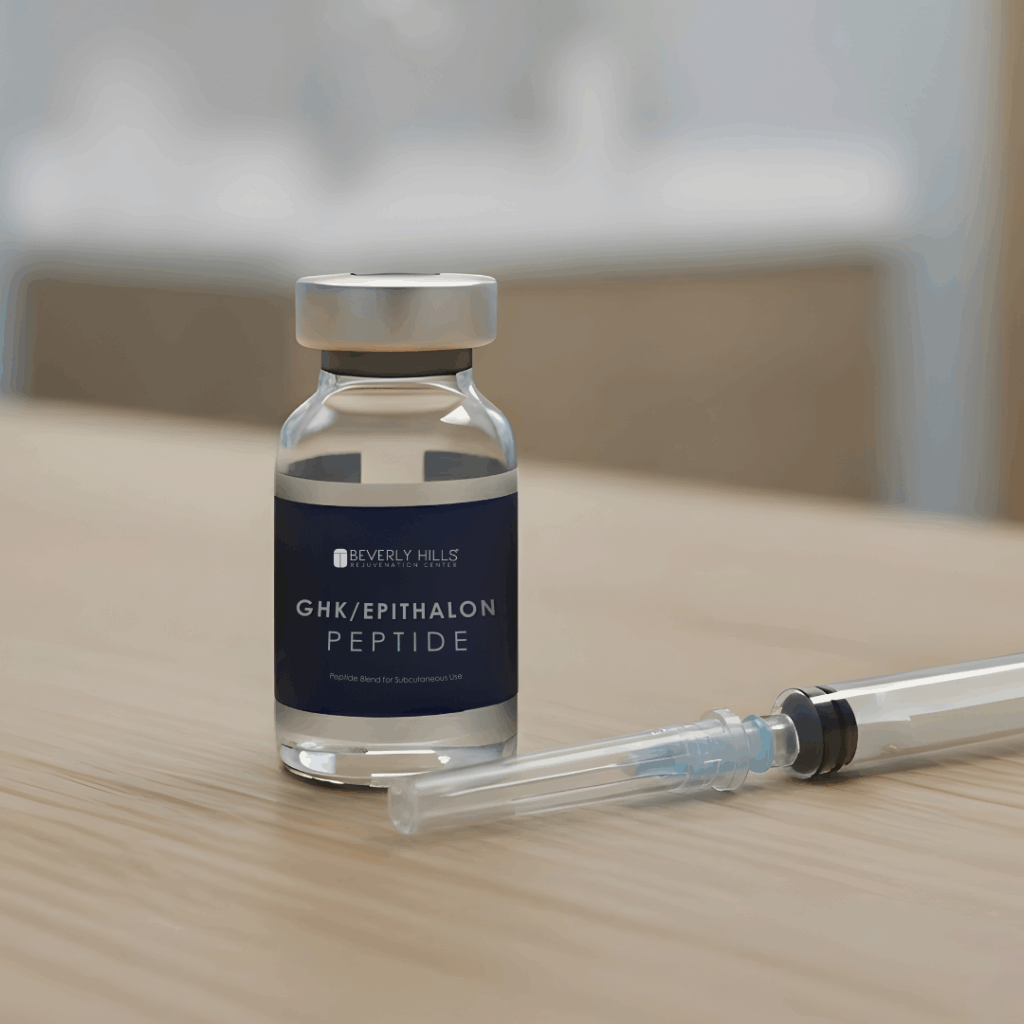
Anti-Aging Peptides: Epithalon, NAD+, GHK-Cu Research
Research on anti-aging peptides targets cellular aging processes like telomere shortening, mitochondrial decline, and gene expression changes. Compounds such as Epithalon from Khavinson’s group, GHK-Cu with over 4,000 gene interactions documented by Pickart, and NAD+ for sirtuin activation show promise in preclinical models. These peptides support studies on telomerase activation, collagen synthesis, DNA repair, and more, with all compounds verified at >99% purity by HPLC and published COAs.