
Key Takeaways
- •For centuries, people have sought to extend life, often chasing an impossible dream of immortality.
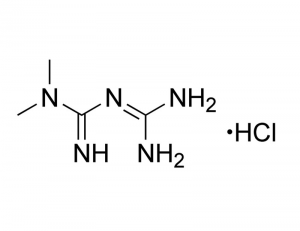
- •Among the most widely recognized potential anti-aging compounds is metformin, a drug originally approved in France in the 1950s for type 2 diabetes.
- •Preclinical studies have provided compelling evidence for its life-extending effects.
The Science of Slowing Down: A Look at Promising Anti-Aging Therapies
For centuries, people have sought to extend life, often chasing an impossible dream of immortality. Modern biology has refined that ambition. While eternal life remains outside the reach of science, the goal of extending healthspan, the period of life spent in good health, has become a realistic and intensely researched objective. Researchers increasingly recognize that aging and decline do not have to be synonymous. Even as the years advance, it may be possible to maintain a youthful body. The biomedical industry has responded with a surge of interest in anti-aging therapies, and several approaches have moved from the lab bench into clinical testing. This article reviews some of the most advanced and promising strategies currently under investigation.
Metformin: A Time-Tested Candidate
Among the most widely recognized potential anti-aging compounds is metformin, a drug originally approved in France in the 1950s for type 2 diabetes. For decades, clinicians have noted that metformin appears to offer benefits beyond glucose control, earning it a reputation as a “magic medicine” among some researchers.
Preclinical studies have provided compelling evidence for its life-extending effects. For instance, in nematodes (roundworms), metformin treatment produced a remarkable 57% increase in lifespan. In mammals, the effects are more modest but still significant. Studies in mice have shown an average lifespan extension of about 6%, while in rats the benefit was approximately 2%. The critical question is whether these results can translate to humans.
Researchers are actively investigating that possibility. One major advantage of metformin is its long history of use, spanning more than six decades, which means its safety profile is well understood. No major safety risks have been identified at standard doses. This makes it an attractive candidate for repurposing as an anti-aging therapy, and several clinical trials are currently evaluating its effects on aging-related outcomes in older adults.
mTOR Inhibition: Targeting a Central Pathway
Another class of drugs that has advanced rapidly in the clinic focuses on inhibiting mTOR, a protein kinase that acts as a central regulator of cell growth and metabolism. When mTOR is overactive, it is associated with accelerated aging and age-related diseases. Conversely, reducing mTOR activity has been shown to extend lifespan in multiple organisms.
A landmark 2009 study published in the journal Nature demonstrated that mTOR inhibitors can extend the lifespan of mice by 9% to 14%. Importantly, many of the mice in that study started treatment only late in their lives, yet still showed significant benefits. This suggests that even interventions applied in older age can have meaningful effects.
Novartis launched an exploratory clinical trial nearly 10 years ago to test an mTORC1 inhibitor called everolimus. The study recruited 218 volunteers aged 65 and older. The goal was to determine whether everolimus could enhance immune function in this age group. Results indicated that the drug improved the response to the influenza vaccine by 20%.
A subsequent study involved 264 older participants. The volunteers were divided into four groups: a placebo group, two groups receiving single drugs (either BEZ235 or RAD001), and a group receiving a combination of the two mTORC1 inhibitors (BEZ235 and RAD001). The findings were striking. Volunteers who received the placebo experienced an average of 2.4 infections per year. In contrast, those receiving the combination therapy had an average of only 1.5 infections per year. The researchers noted that this approach has the potential to strengthen immune function and reduce the incidence of infections in the elderly population. These results have spurred continued interest in mTOR inhibitors as a strategy for combating age-related immune decline.
Clearing Senescent Cells: A Direct Attack on Aging
Aging cells, also known as senescent cells, represent a distinct class of cells that have stopped dividing but do not undergo programmed cell death. Instead, they persist within tissues and secrete a variety of inflammatory molecules, cytokines, and other factors that disrupt the function of surrounding healthy cells. This process contributes to a range of age-related conditions, including frailty, cataracts, and disorders of fat metabolism.
The field of cellular senescence has experienced an explosion of research in recent years. In 2017, a paper published in the journal Cell showed that a peptide could selectively eliminate senescent cells in mice. This treatment, known as a senolytic therapy, was able to restore aspects of youthful physiology in the treated animals. Researchers described the effect as reshaping youth in the aging mice.
Just last month, a study in Nature reported that clearing senescent cells from the brains of aged mice helped alleviate cognitive decline. This finding suggests that even neurodegeneration may be partially reversible by targeting the accumulation of senescent cells. As the scientific understanding of senescence continues to deepen, many expect that these laboratory breakthroughs will eventually be translated into novel therapies for humans. The pace of progress in this area is rapid, and several senolytic drugs are already being tested in early-stage clinical trials.
The Blood of Youth: A Controversial Factor
For many years, the idea that young blood contains mysterious factors capable of rejuvenating the old has captured both scientific and popular imagination. In 2005, a study published in Nature provided experimental support for this concept. Researchers at Stanford University School of Medicine connected the circulatory systems of old and young mice in a procedure called parabiosis. They observed that exposure to the blood of young mice rejuvenated certain progenitor cells in the older mice.
One of the authors of that paper, Dr. Amy Wagers, later moved to Harvard University, where she continued to investigate the underlying mechanisms. In a 2014 study published in Science, her team identified a specific protein, GDF11, as a key factor in young blood. They found that GDF11 levels decline markedly with age, and that supplementing it in older mice could restore muscle function and improve other age-related deficits.
However, these findings quickly became controversial. Several pharmaceutical companies reported that they were unable to replicate the results, with some even obtaining diametrically opposite findings. In 2015, a study in Cell Metabolism claimed that GDF11 levels in mice actually increased with age, and that the protein might inhibit skeletal muscle regeneration rather than promote it. In response, Dr. Wagers and her colleagues stated that they have obtained additional data supporting their initial conclusions about GDF11’s role as a pro-youthful factor. The debate remains unresolved, and further research is needed to clarify the function of GDF11 in aging. Nonetheless, the idea that circulating factors in blood can influence the aging process continues to drive investigation into potential therapies.
Future Outlook
In 2015, the cover of a Time magazine issue featured a baby’s head with the caption “This baby will live to be 142 years old.” While speculative, that headline captured the optimism surrounding anti-aging research. Three years later, the field has made substantial progress on multiple fronts. Whether human life expectancy can reach 142 years remains an open question. What is certain is that innovative anti-aging treatments are beginning to address some of the most debilitating aspects of growing older. The hope is that future therapies will make many of today’s so-called geriatric diseases a thing of the past, allowing people to enjoy their later years with vitality and health.
Frequently Asked Questions
Q: Is metformin currently approved for anti-aging use?
A: No, metformin is only approved for type 2 diabetes. Its use for anti-aging is still investigational, and clinical trials are ongoing to determine its safety and efficacy in healthy older adults.
Q: How do senolytic therapies remove aging cells without harming healthy cells?
A: Senolytic drugs are designed to target specific survival pathways that senescent cells rely on. Because healthy cells do not depend on these same pathways, they are largely spared. The selectivity is a key area of ongoing research.
Q: Why is the GDF11 research controversial?
A: Different laboratories have reported conflicting results regarding whether GDF11 levels increase or decrease with age, and whether it promotes or inhibits muscle regeneration. The discrepancies may be due to differences in experimental methods or in the specific forms of GDF11 measured.
Q: Could mTOR inhibitors be used to improve immune function in older adults today?
A: Currently, mTOR inhibitors are used primarily as immunosuppressants in transplant patients and in some cancer treatments. Their use for enhancing immunity in the elderly is still experimental, and clinical trials are needed to establish safety and effectiveness for that purpose.


