
Key Takeaways
- •Researchers have identified key cellular changes in aging, including telomere shortening, mitochondrial decline, and shifts in gene expression.
- •GHK-Cu Copper Peptide 50mg supports research on skin and cellular repair.
- •Khavinson’s group produced some of the most cited studies on Epithalon.
Pickart Documents Over 4,000 Gene Interactions for GHK-Cu
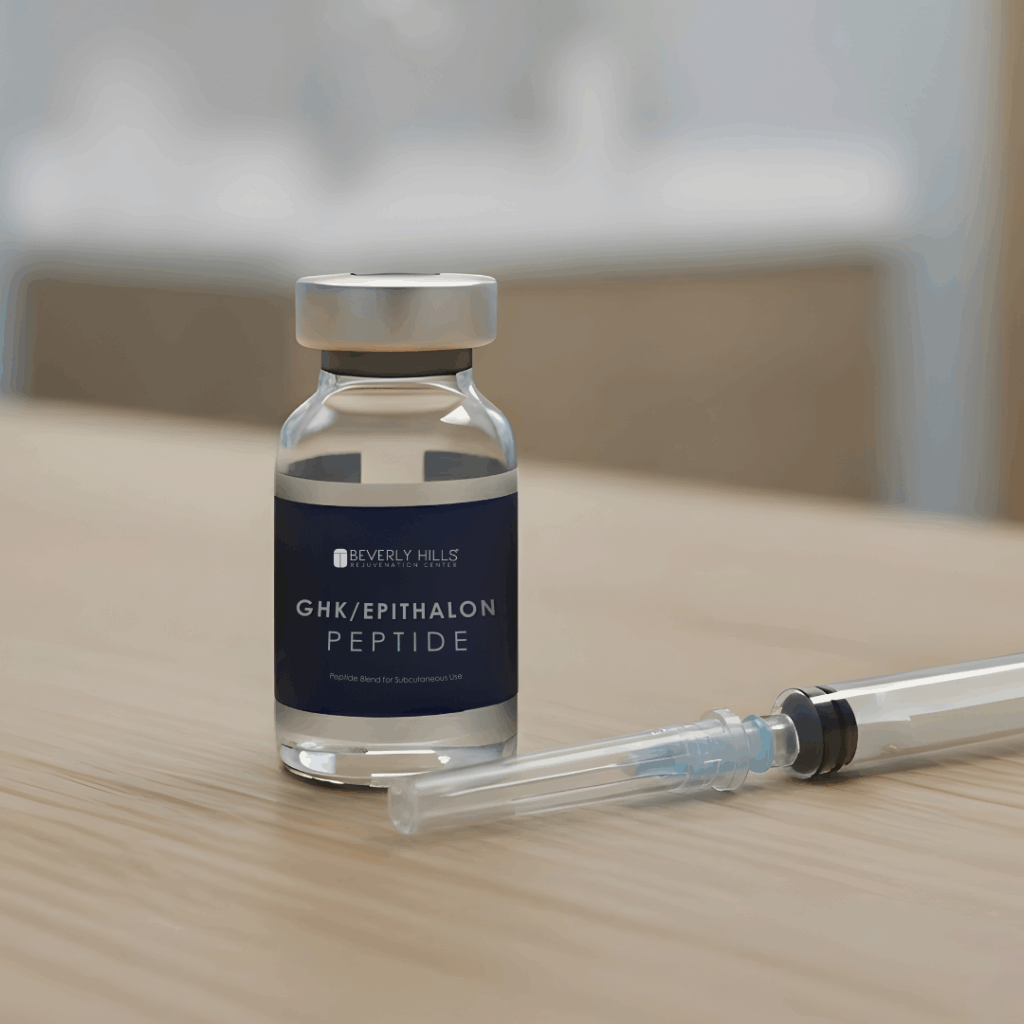
Researchers have identified key cellular changes in aging, including telomere shortening, mitochondrial decline, and shifts in gene expression. Pickart’s early work on copper peptides like GHK-Cu revealed broad transcriptional effects across aging pathways. This compound has been studied for collagen synthesis and antioxidant gene upregulation, with documentation of over 4,000 gene interactions.
GHK-Cu Copper Peptide 50mg supports research on skin and cellular repair. Its effects span multiple pathways relevant to aging.
Epithalon and Telomere Research from Khavinson’s Group
Khavinson’s group produced some of the most cited studies on Epithalon. This tetrapeptide has been examined in preclinical models for telomerase activation, circadian rhythm regulation, and longevity-related gene expression.
Epithalon 20mg aids investigations into telomere lengthening and anti-aging effects. These findings position it at the intersection of core aging mechanisms.
For detailed protocols, consult the Peptide Glossary or use the Reconstitution Calculator.
NAD+ Role in Cellular Energy and DNA Repair
NAD+ 750mg has been tested in models of cellular aging for sirtuin activation and PARP-mediated DNA repair. As one of the most studied coenzymes in longevity research, it influences energy production and repair processes.
Studies highlight its potential in maintaining cellular function during aging. This compound overlaps with pathways for neuroprotection and hormone regulation.
MOTS-c and Mitochondrial Function
MOTS-c, a mitochondrial-derived peptide, has been researched for AMPK activation and mitochondrial biogenesis in metabolic and aging models. It targets energy metabolism at the cellular level.
These investigations connect mitochondrial health to broader anti-aging effects. Researchers use it to probe biogenesis pathways.


Immune and Repair Peptides in Aging Studies
Thymosin Alpha-1 has been investigated in immune aging research for T-cell maturation, dendritic cell signaling, and toll-like receptor modulation.
TB-500 Thymosin Beta-4 supports recovery and repair research. BPC-157 5mg focuses on tissue repair and gut health studies. Both contribute to cellular health explorations.
Check the BPC-157 Research Guide and TB-500 Research Guide for more on these compounds.
Research Stacks for Overlapping Pathways
One stack combines NAD+, Semax, and CJC-1295 to examine cellular energy production, neuroprotection, and growth hormone secretion in a single protocol. Another pairs CJC and Tesamorelin for growth hormone research. Metabolic stacks target fat loss and AMPK pathways.
These combinations allow probing of interconnected aging mechanisms. All compounds are >99% HPLC verified with published COA documentation.
Key Takeaways on Anti-Aging Peptide Research
Anti-aging research centers on peptides like Epithalon, GHK-Cu, and NAD+ that address telomere, mitochondrial, and gene expression issues. Preclinical models show effects on telomerase, collagen, sirtuins, and repair. Use tools like the Dosage & Cycle Planner for precise study designs.
Related Research Compounds
Looking for high-purity research peptides? Browse our catalog for HPLC-verified compounds.
| Compound | Purity | Size | Price |
|---|---|---|---|
| TB-500 5mg | >99% | 5mg | $29.00 |
| BPC-157 5mg | >99% | 5mg | $34.00 |
| CJC-1295 No DAC + Ipamorelin 10mg (5+5) | >99% | 10mg | $49.00 |
| GHK-Cu 50mg | >99% | 50mg | $24.00 |


