ghk-cu
16 articles tagged with ‘ghk-cu’

What Is Deadpool Peptide Blend?
At least three different vials are sold as "Deadpool blend", sharing only BPC-157, TB-500 and a Marvel character. What each version actually contains, why a large share of Cartalax listings print Bronchogen's sequence instead, what the published literature does and does not support for each component, and why a purity figure on a four-peptide certificate has stopped meaning what it means on a single-peptide one.
GHK-Cu in Research: Reconstitution, Stability, and Handling Guide
This guide covers the essentials of working with GHK-Cu in a research setting, from reconstitution math and solvent choice to stability and purity considerations. Learn how to handle copper peptides correctly and what to verify before starting a study.
Peptides Studied for Hair Follicle Regeneration: A Research Overview
Research on peptides for hair health focuses on compounds like GHK-Cu, BPC-157, TB-500, and zinc thymulin. Preclinical studies explore follicle regeneration, hair cycle regulation, and scalp tissue repair. This guide summarizes the mechanisms and findings from recent laboratory research.
GHK-Cu and Hair Follicle Growth: A Review of Copper Peptide Dermatological Research
Explore the preclinical evidence on GHK-Cu for hair follicle growth, including proposed mechanisms and research limitations.
Hallmarks of Aging Part 3: Cellular Senescence, Stem Cell Exhaustion, and Altered Intercellular Communication
Explore cellular senescence, stem cell exhaustion, and altered intercellular communication as key aging hallmarks in this in-depth research review.
What Are Peptides? Part 2: Advanced Concepts in Peptide Science
Explore advanced peptide science concepts including mechanisms, preclinical evidence, research limitations, and safety considerations for laboratory research.
Synergistic Regeneration: BPC-157, Thymosin Beta-4, and GHK-Cu in Healing Research
Explore the synergistic potential of BPC-157, Thymosin Beta-4, and GHK-Cu in regenerative research. Preclinical evidence and mechanisms reviewed.
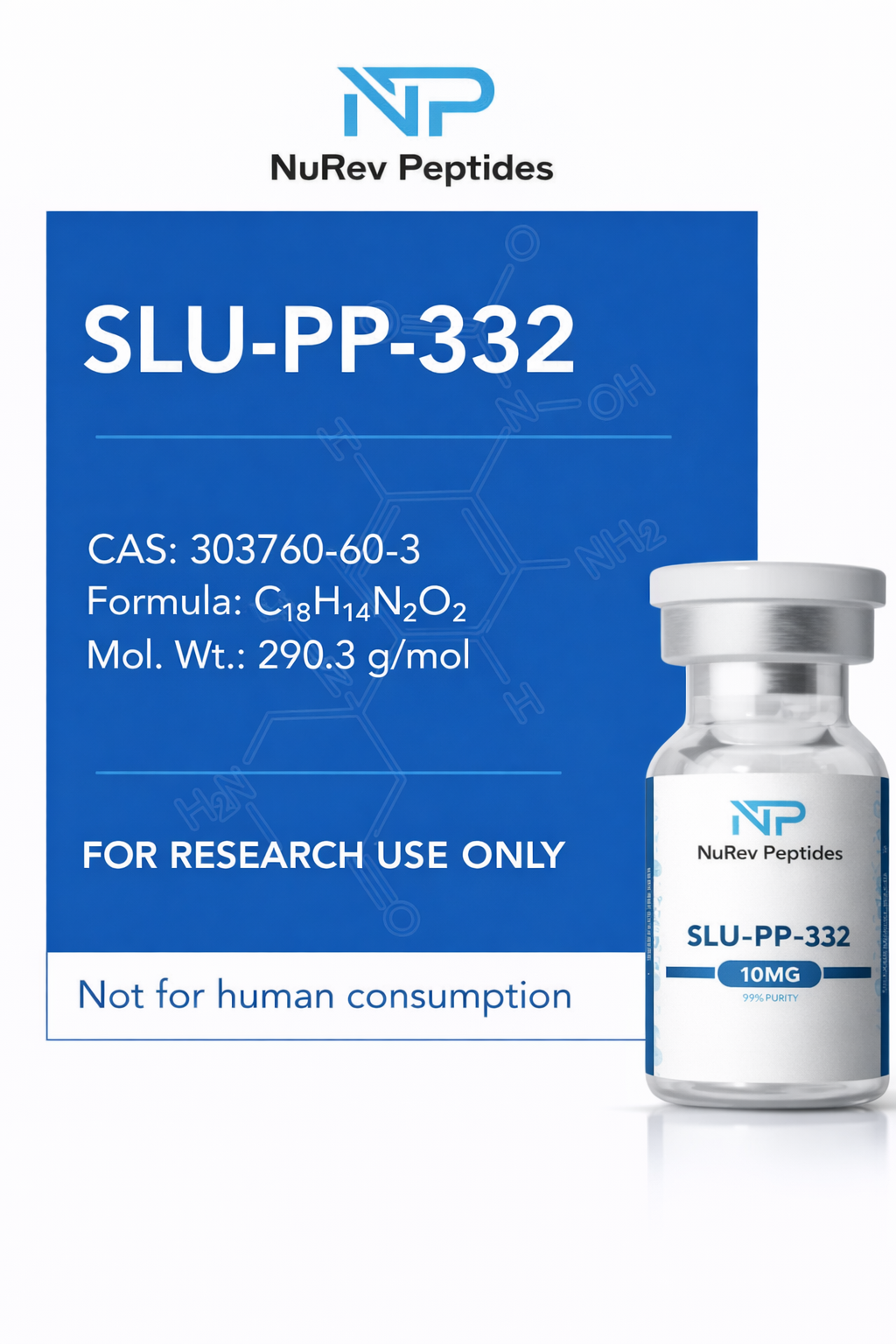
SLU-PP-332: A Synthetic ERRα Agonist in Biomedical Research
Explore SLU-PP-332 research: a synthetic ERRα agonist studied for mitochondrial function, metabolism, and tissue repair mechanisms.

GHK-Cu Peptide: Mechanisms of Action and Research Applications
Explore GHK-Cu research: mechanisms in wound healing, inflammation, cognition, and anti-cancer gene expression.
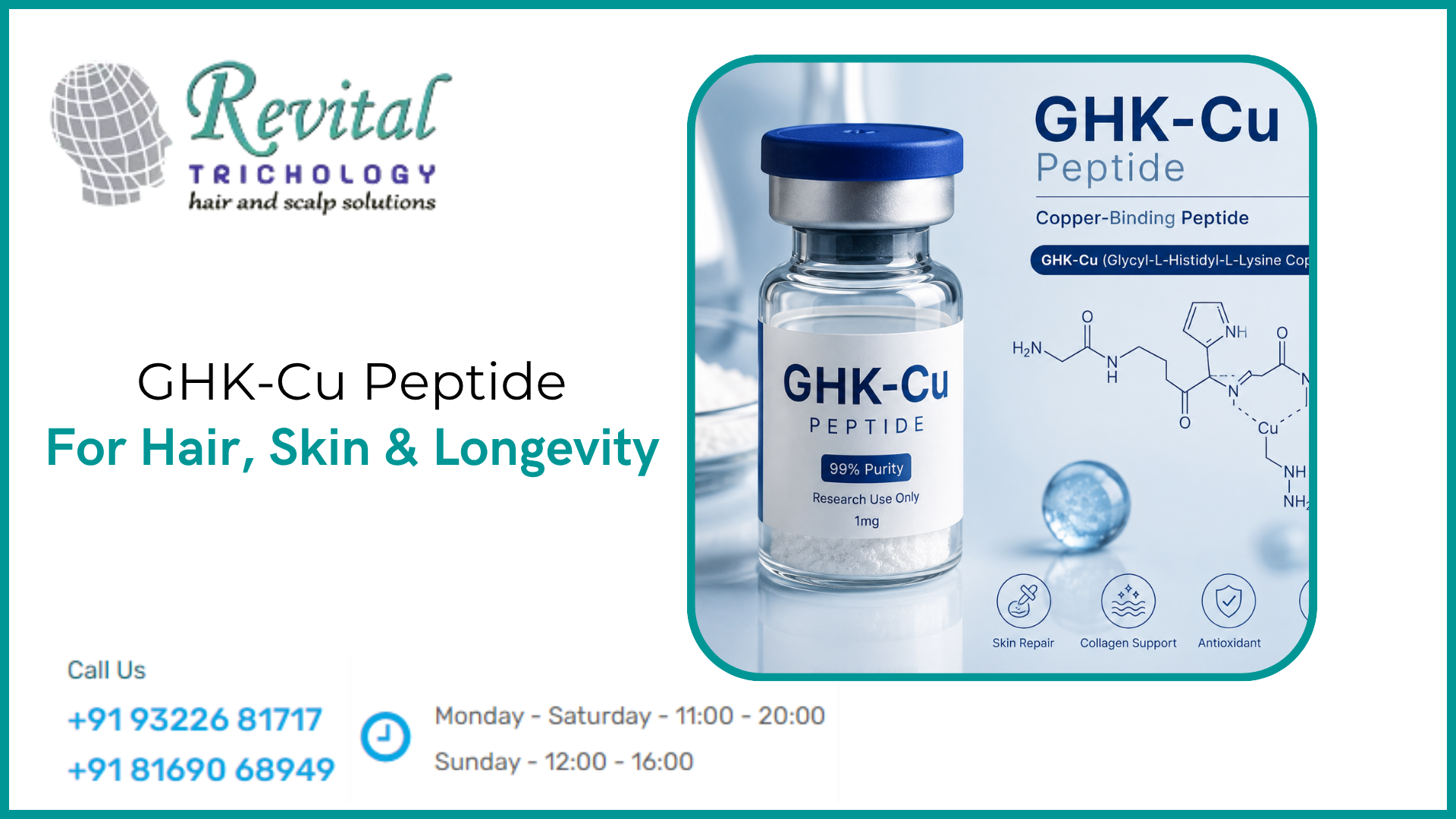
GHK-Cu in Research: Copper Peptide for Cellular Repair Studies
GHK-Cu is a copper tripeptide studied for its role in collagen synthesis, antioxidant gene regulation, and wound healing. This article covers the research background, mechanisms, and practical validation criteria for researchers using GHK-Cu in preclinical models.

Anti-Aging Peptides: Research Compounds for Metabolism, Muscle, and Tissue Health
Explore a curated selection of anti-aging research peptides including BPC-157, GHK-CU, KPV, MOTS-C, NAD+, Retatrutide, SS-31, TB-500, and others. These compounds are studied for their potential roles in metabolism support, muscle growth, weight loss, and skin, tissue, and bone health. Average purity across products is 99.77%.

GHK-Cu: Copper Peptide in Tissue Repair and Skin Research
GHK-Cu, or glycyl-L-histidyl-L-lysine copper complex, stands out as a naturally occurring peptide central to human tissue maintenance and repair. Found in plasma, saliva, urine, and skin, its levels drop from about 200 ng/mL in young adults with age, linking to reduced regeneration. Preclinical studies highlight its roles in collagen production, wound healing, angiogenesis, anti-inflammation, and more, with the copper complex showing greater potency than unbound GHK.
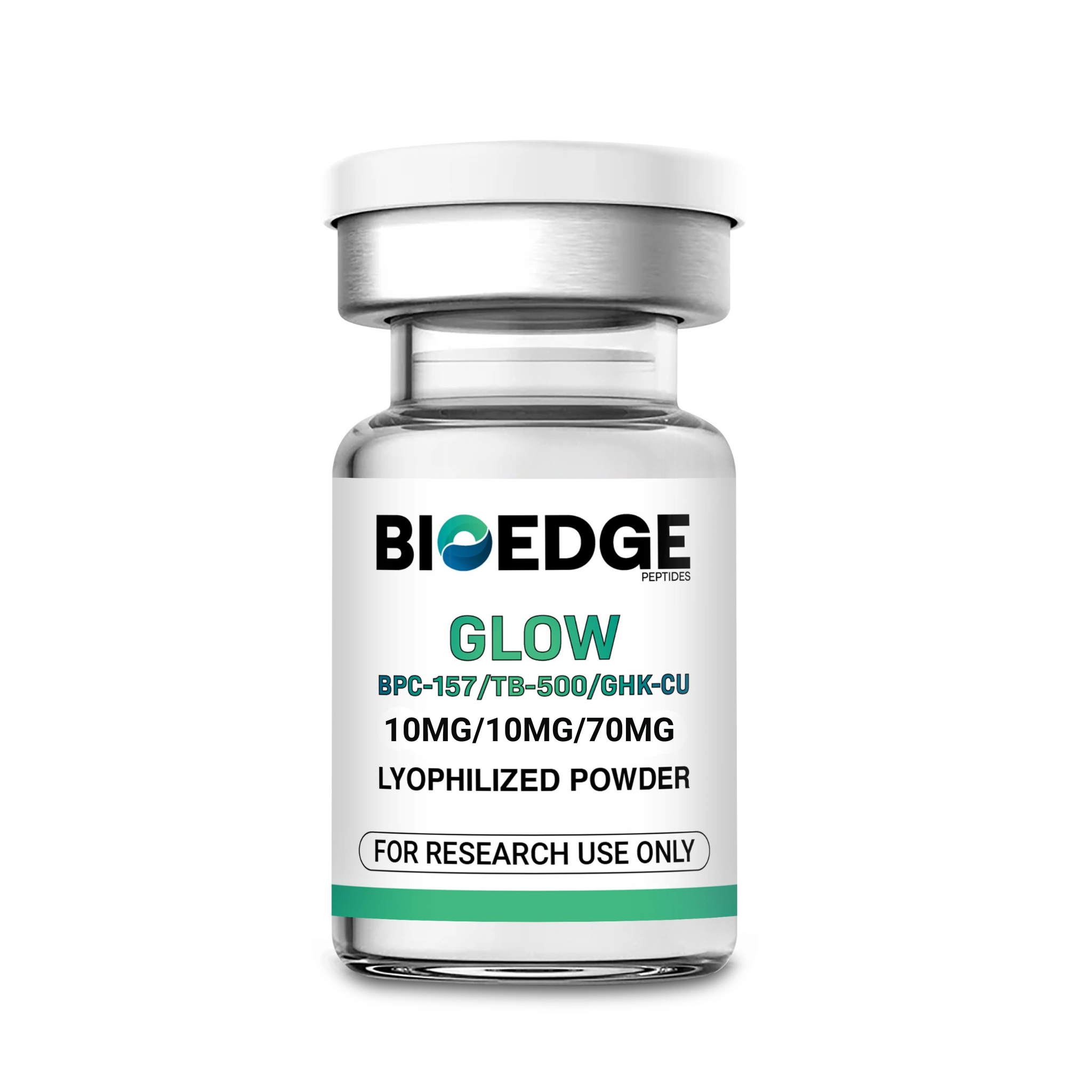
Glow Blend: GHK-Cu, BPC-157 & TB-500 Peptide Research
Glow Blend combines GHK-Cu, BPC-157, and TB-500 in a 70mg multi-peptide formulation studied for skin biology, tissue repair, and cellular processes. Each component targets overlapping areas like collagen pathways, connective tissue response, and cell migration. This guide explains their research roles, molecular details, and why they pair together in regenerative studies.
BPC-157 vs GHK-Cu: Comparing Top Research Peptides
BPC-157 and GHK-Cu stand out among research peptides for their extensive studies in tissue repair and anti-aging. BPC-157, a 15-amino-acid peptide from human gastric juice, focuses on angiogenesis and wound healing. GHK-Cu, a copper-bound tripeptide from human plasma, targets gene expression and skin remodeling, with over 100 published studies.
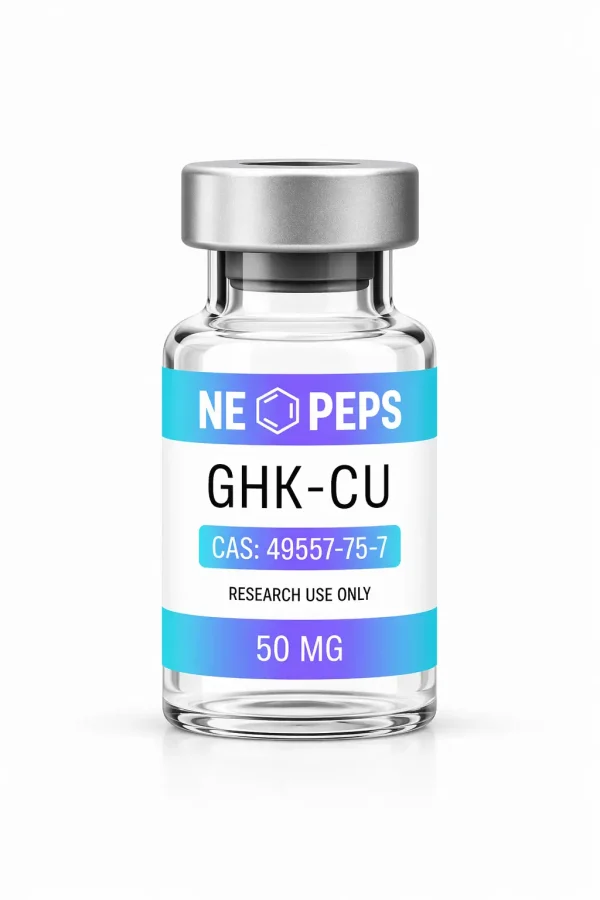
GHK-Cu Peptide: Key Mechanisms and Research Findings
GHK-Cu, a tripeptide-copper complex from glycyl-L-histidyl-L-lysine and Cu²⁺, acts as a signal for tissue repair. Studies show it supports remodeling, reduces inflammation, combats oxidative stress, and promotes angiogenesis. Research highlights its roles in enzyme function, antioxidant defense, and growth factor expression.
Anti-Aging Peptides: Epithalon, NAD+, GHK-Cu Research
Research on anti-aging peptides targets cellular aging processes like telomere shortening, mitochondrial decline, and gene expression changes. Compounds such as Epithalon from Khavinson’s group, GHK-Cu with over 4,000 gene interactions documented by Pickart, and NAD+ for sirtuin activation show promise in preclinical models. These peptides support studies on telomerase activation, collagen synthesis, DNA repair, and more, with all compounds verified at >99% purity by HPLC and published COAs.