neuroprotection
14 articles tagged with ‘neuroprotection’
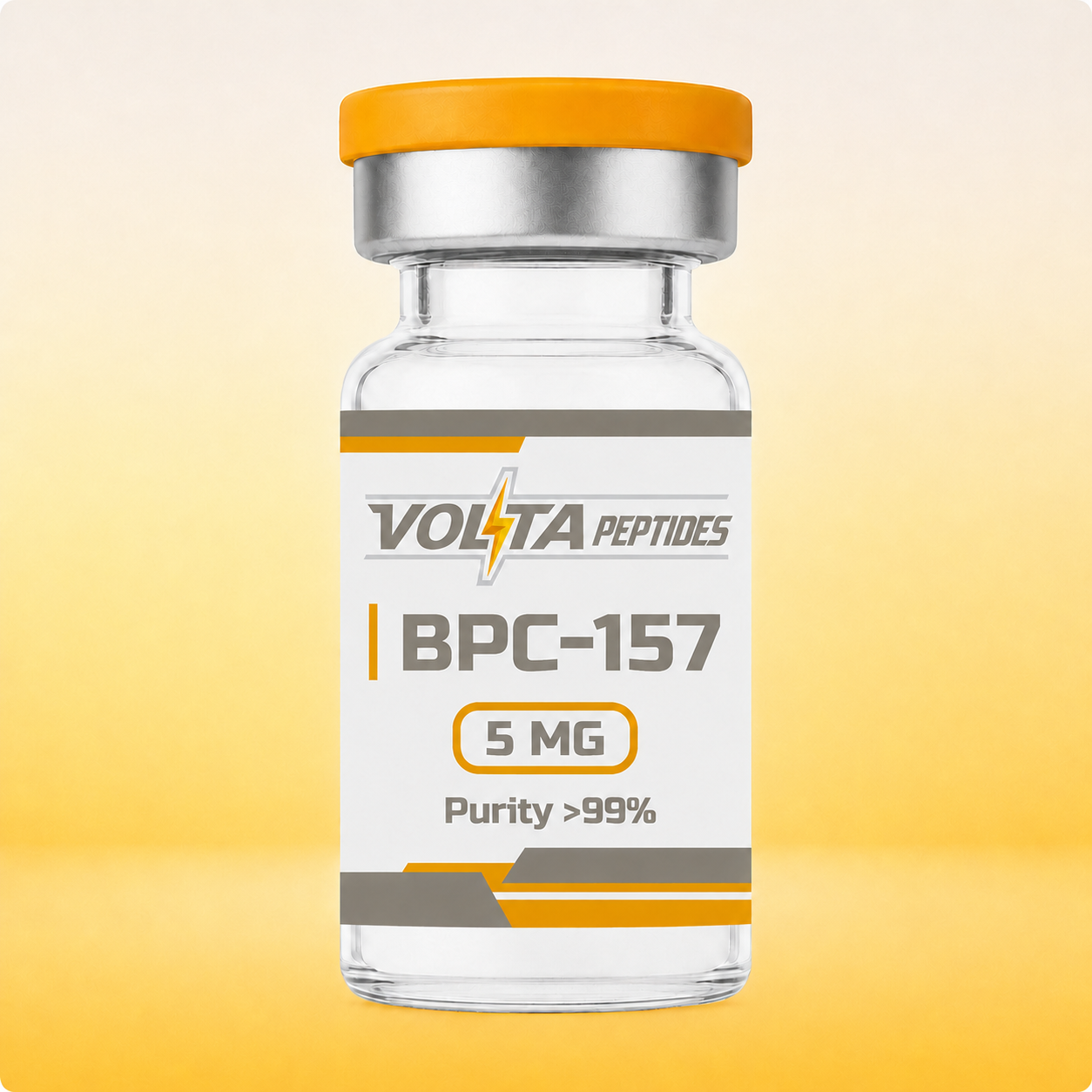
BPC-157 10mg Research: Preclinical Evidence, Molecular Profile & Quality Standards
BPC-157 10mg research overview covering preclinical evidence, molecular profile, storage, and quality documentation for laboratory use.
IGF-1 (Insulin-Like Growth Factor 1): Structure, Signaling, and Research Applications
IGF-1 peptide structure, signaling pathways, and preclinical research applications for laboratory investigation.
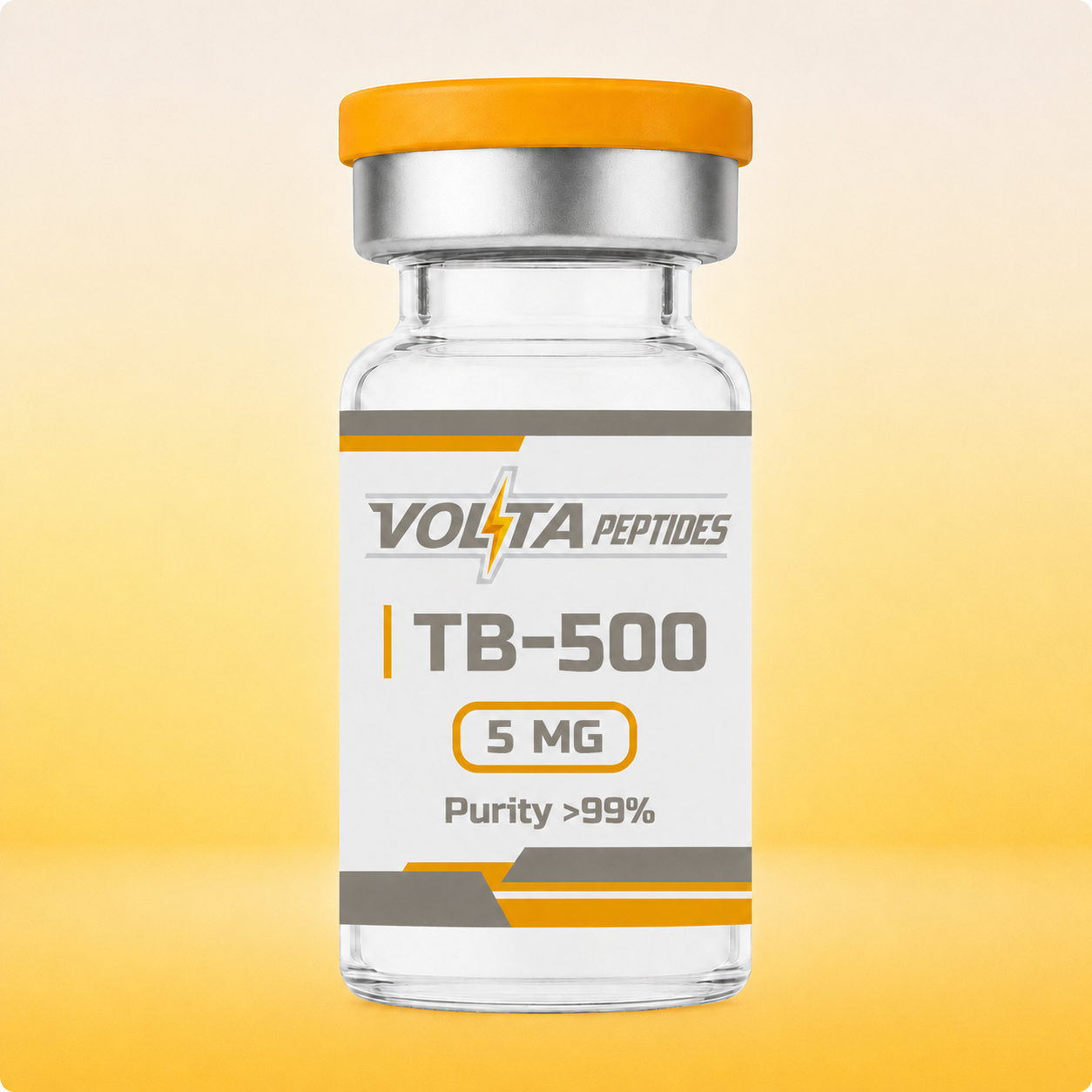
TB-500 and the Brain: Thymosin Beta-4 in Neurological Research
Explore the preclinical evidence for TB-500 (Thymosin Beta-4) in neurological research, including mechanisms, limitations, and safety.
Premium Research Peptides: What Defines Research-Grade Quality
Explore what defines research-grade peptide quality, from purity and characterization to evidence standards and safety considerations.
Peptides for Brain Research: Neurotrophic and Neuroprotective Compounds – A Scientific Review
Explore neurotrophic and neuroprotective peptides for brain research, including Semax, Cerebrolysin, and P21, with preclinical evidence analysis.
Delta Sleep-Inducing Peptide (DSIP): Sleep Regulation and Neuropeptide Research
DSIP peptide research: sleep regulation mechanisms, preclinical evidence, limitations, and safety considerations for laboratory research.
Thymosin Beta-4: Neuropathy, Senescence, and Regenerative Research – A Scientific Review
Thymosin Beta-4 research in neuropathy, senescence, and regenerative medicine. Preclinical evidence, mechanisms, and safety review.
Peptides: What Are They and Why Do They Matter in Research?
A research-focused overview of peptides, their mechanisms, and preclinical evidence for scientific investigators.
What Are Peptides? Part 2: Advanced Concepts in Peptide Science
Explore advanced peptide science concepts including mechanisms, preclinical evidence, research limitations, and safety considerations for laboratory research.
Peptide Research in Neurological Disorders: A Preclinical Overview
Explore the preclinical evidence for peptides in neurological disorders, including mechanisms, limitations, and research-only status.
Humanin: Mitochondrial-Derived Peptide for Cytoprotection and Longevity Research
Explore Humanin, a mitochondrial-derived peptide investigated for cytoprotection, anti-apoptosis, and longevity mechanisms in preclinical research.

Semax Research: Mechanisms of Neuroprotection, Memory, and Vascular Recovery in Preclinical Models
Explore research on Semax: memory, neuroprotection, cerebral ischemia, gene expression, and calcium homeostasis in preclinical studies.

Semax: Guide to the ACTH-Derived Nootropic Peptide
Semax is a synthetic heptapeptide from the ACTH(4-7) sequence, developed in Russia during the 1980s for neuroprotective and cognitive effects. Research shows it upregulates BDNF and TrkB, improves outcomes in ischemia models, and enhances learning in rodents. This guide covers its structure, mechanisms, and research applications while noting variants like N-Acetyl Semax.

Pinealon: Neuroprotective Tripeptide Research Guide
Pinealon, a synthetic tripeptide known as Glu-Asp-Arg or EDR, targets the central nervous system for neuroprotection. Developed by Vladimir Khavinson's team at the St. Petersburg Institute of Bioregulation and Gerontology, it shows effects on gene expression, cell proliferation, and protection against oxidative stress in neuronal models. Studies highlight reduced apoptosis, preserved mitochondrial function, and potential benefits in hypoxia and aging contexts, though much data comes from one research group.