peptides
43 articles tagged with ‘peptides’

Ozempic in Neuroscience Research: Peptide Tools for Neuroprotection and Synaptic Regulation
Ozempic, a GLP-1 receptor agonist, is gaining attention in neuroscience research for its potential neuroprotective effects. This article explores how peptides like beta-amyloids, Humanin, and MOG support studies on Alzheimer's, multiple sclerosis, and synaptic regulation, and provides practical validation criteria for researchers using Volta Peptides tools.
Ved Srivastava on Peptide Science from Early Days to AI Era
Dr. Ved Srivastava, Chief Scientific Officer at Perpetual Medicines, shares his career in peptide therapeutics. He contributed to drugs like Byetta (exenatide), Bydureon, and Symlin (pramlintide). In a discussion, he covers the field's evolution and 2026 trends including macrocyclic peptides and AI design.
HIV-Related Peptides: Mechanisms and Therapeutic Promise
Human immunodeficiency virus (HIV) leads to acquired immunodeficiency syndrome (AIDS) by weakening the immune system, allowing infections like those from Candida, Mycobacterium tuberculosis, and herpesviruses to thrive. Peptides offer high specificity in targeting HIV entry and life cycle stages, with advantages over small molecules. A key milestone came with the approval of the first peptide fusion inhibitor, and ongoing research addresses challenges like stability and cost.
Peptide Glossary: Essential Terms and Definitions
This glossary covers fundamental terms in peptide science, from amino acids and their unique side chains to peptides, proteins, and synthesis methods. Learn about classifications, peptide bonds, mapping, mimetics, libraries, and more. All definitions preserve exact scientific details for accurate understanding.

High-Purity Nucleic Acid Amidites and Amino Acid Building Blocks
Research platforms supply high-quality building blocks for nucleic acids, peptides, and conjugates from discovery to commercial stages. These include extensive catalogs of amidites, nucleotides, and modified amino acids with purity levels exceeding 99%. Specific products feature detailed molecular formulas, CAS numbers, and categories for oligonucleotide and peptide synthesis support.

Thymosin Alpha 1: Key to Stronger Immune Function
Thymosin alpha 1, a 28-amino acid peptide first isolated from thymic tissue in the 1970s, modulates both innate and adaptive immunity. Clinical studies show it improves viral clearance in hepatitis B and C, reduces COVID-19 severity, and balances responses in autoimmune diseases like rheumatoid arthritis. This guide covers its mechanisms, roles, and research findings for better understanding its potential in health.
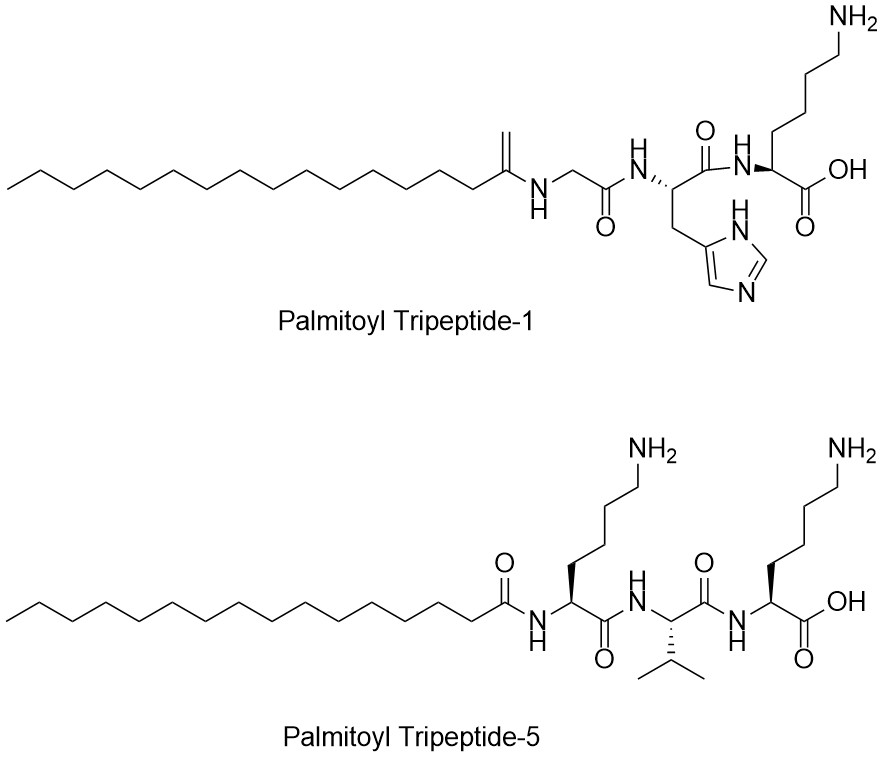
Palmitoyl Tripeptide: Multi-Benefit Peptide for Skin Care
Palmitoyl tripeptide compounds enhance skin health by boosting collagen production, inhibiting wrinkle-causing enzymes, and strengthening the skin barrier. Common variants include Palmitoyl tripeptide-1, Palmitoyl tripeptide-5, Palmitoyl tripeptide 37, and Palmitoyl tripeptide-38, each with unique effects based on their amino acid sequences. These peptides appear in anti-aging creams, moisturizers, and eye products to firm skin, even tone, and retain moisture.
Peptides Legality in the UK: Complete 2026 Guide
Research peptides remain legal in the UK when clearly labeled for laboratory use only and not promoted for human or veterinary consumption. Suppliers must provide transparent batch testing, including identity confirmation, HPLC purity analysis, heavy metal screening, and endotoxin testing, to ensure quality. This guide covers legal status, RUO meaning, supply chain risks, and tips for selecting compliant sources in the expanding 2026 market.
Melanotan 2 Explained: Origins, Tanning Science, and Key Benefits
Melanotan 2 started as a skin cancer treatment in the late 1980s and early 1990s by mimicking alpha-melanocyte-stimulating hormone to boost melanin and protect against UV damage. Today, it provides a natural-looking tan without sun exposure, plus reported boosts in energy and appetite control. This guide covers its mechanisms, comparisons to traditional methods, and common myths.
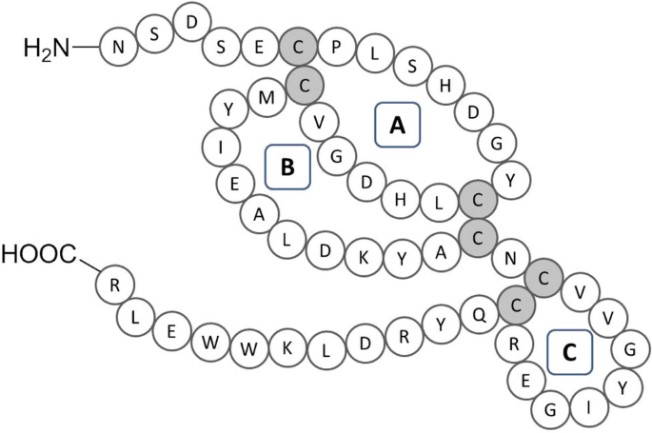
Oligopeptides: Powering Skin Repair, Anti-Aging, and Hair Growth
Oligopeptides consist of 2 to 20 amino acids linked by peptide bonds, offering strong biological effects for skin care and health. These short chains penetrate skin easily, promote collagen production, repair barriers, and support hair growth. Examples include palmitoyl oligopeptide for moisturizing and SH-Oligopeptide-1 for wound healing, with synthesis via solid-phase methods ensuring precise production.

U.S. Telehealth Platforms for GLP-1 Peptides and Research Suppliers
Licensed U.S. telehealth platforms provide prescriptions for GLP-1 medications such as semaglutide and tirzepatide, along with NAD+ injections and other peptide therapies, shipped directly to patients. These services include online consultations and operate in most states. Research peptide suppliers offer compounds like GLP-1 agonists with high purity levels from independent testing.

Top Research Peptides for Metabolic Fat Loss Studies in 2026
Research into metabolic peptides has advanced with GLP-1, GIP, and glucagon receptor agonists leading fat loss studies. Retatrutide, the first triple agonist, shows greater weight reductions than predecessors in Phase 2 trials. This overview covers key compounds, mechanisms, and protocols for 2026 research.
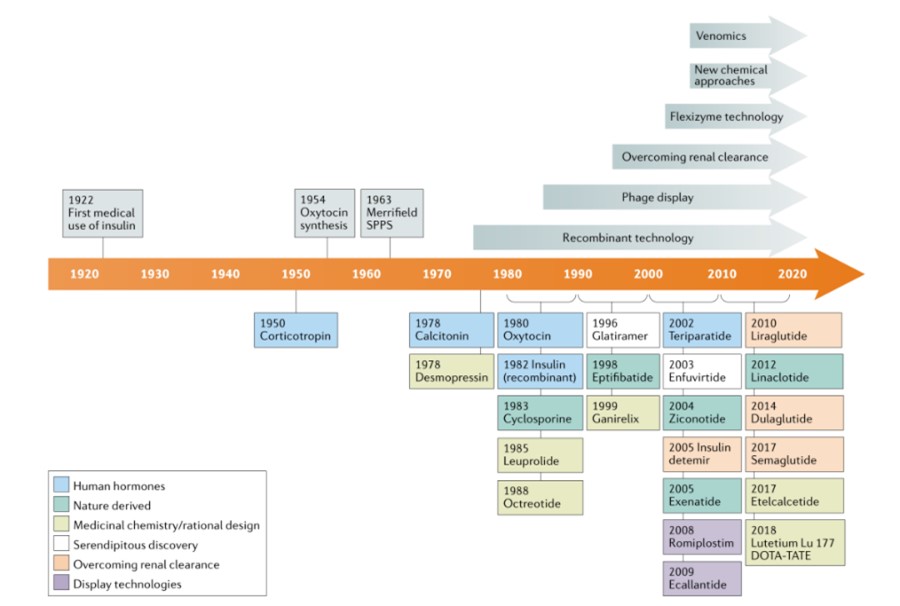
Pharmaceutical Peptides: Growth, Challenges, and Key Methods
Over 80 pharmaceutical peptides have gained worldwide approval for treating endocrine, immune, and cardiovascular conditions. These short-chain amino acid polymers offer high selectivity, affinity, and low toxicity, fueling a market growing over 10% annually toward tens of billions by 2030. Despite benefits, challenges like synthesis complexity, stability issues, and high costs persist, addressed through advanced screening, purification, and modification techniques.
Peptides' Multifunctional Applications in Cancer Therapy
Peptides serve as versatile tools in cancer therapy due to their ability to target tumors precisely, deliver drugs, and disrupt key biological processes. They excel in tissue penetration and cellular uptake compared to antibodies, despite shorter half-lives. This article details their roles in delivering nanoparticles, extracellular vesicles, and interfering with receptors and protein interactions.

Peptide Targeting: Solid Tumors vs Blood Cancers
Peptide designs for solid tumors focus on penetrating dense extracellular matrices and resisting harsh microenvironments, while those for hematological cancers prioritize rapid binding in circulation and evasion of clearance mechanisms. Accessibility defines the core challenge: solid tumors act as fortified structures with poor blood supply, unlike freely circulating blood cancer cells. These differences shape peptide length, stability features, and conjugation methods, with no universal approach suiting both.
Aclerastide: Effective Therapy for Diabetic Foot Ulcers
Aclerastide, an analog of angiotensin 1-7, shows strong potential in treating diabetic foot ulcers through progenitor proliferation, vascularization, collagen deposition, and re-epithelialization. Preclinical studies demonstrate its superiority over existing topical growth factors, with Phase II trials confirming faster wound closure lasting up to 20 weeks. Phase III trials are now recruiting patients.
Peptides Enabling Targeted and Efficient Drug Delivery
Peptides, made of amino acids linked by peptide bonds, offer high efficiency, low toxicity, and strong specificity for drug delivery. They address challenges like enzymatic breakdown, short half-lives, and poor cell penetration through targeted, cell-penetrating, responsive, and self-assembling designs. Combined with modifications and nanocarriers, peptides improve stability, bioavailability, and precise drug release in areas like cancer therapy and regenerative medicine.

Retatrutide 30mg: Triple Agonist for Metabolic Research
Retatrutide 30mg, developed by Eli Lilly, acts as a triple agonist targeting GLP-1, GIP, and glucagon receptors to study weight regulation and energy balance. Research highlights its role in appetite control, glucose management, energy expenditure, and fat oxidation. Lab testing shows average purity of 99.93% and mass of 35.05 mg from Freedom Diagnostics on 2026-04-24, lot LY-3437943.
Peptide Therapies Target Lung Injury, Cancer, Blood Disorders (Part 2)
This article covers research on synthetic amphipathic helical peptides that reduce inflammation in acute lung injury models, minihepcidins for treating β-thalassemia and polycythemia vera, stapled peptides blocking cancer metastasis via WASF3-CYFIP1, humanin derivatives protecting against necrosis in strokes and brain injuries, a FKBPL-mimicking peptide with FDA Orphan Drug Designation for ovarian cancer, and urotensin II's effects on multiple systems. Key studies from 2015-2016 highlight these peptides' potential. All findings preserve exact data from original research.
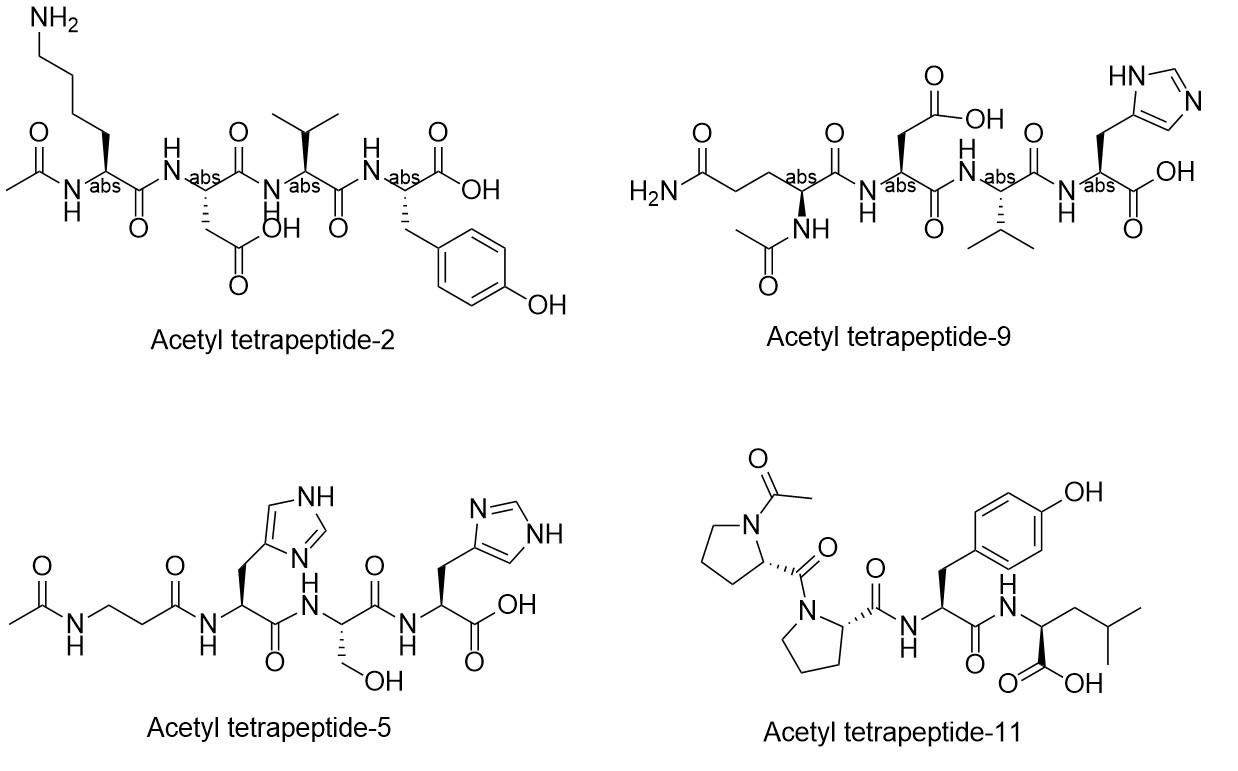
Acetyl Tetrapeptide: Multifunctional Peptide for Skin and Hair Health
Acetyl tetrapeptide serves as a biomimetic compound that mimics natural peptides to support anti-aging, eye care, and hair growth. Variants like acetyl tetrapeptide-2, -3, -5, -9, -11, and -17 target skin elasticity, reduce eye bags, and strengthen hair follicles through specific mechanisms such as ACE inhibition and collagen promotion. These peptides show promise in skincare and hair products due to their stability and skin penetration.

Peptides 101: Key Facts Before You Start
Peptides have moved from niche use to mainstream attention, driven by GLP-1 agonists like semaglutide and tirzepatide that achieved 15 to 20% body weight loss in clinical trials with thousands of patients. Options exist for recovery, skin health, cognition, and immunity, with peptides like BPC-157 and TB-500 aiding tissue repair. This guide covers categories, starting steps, common errors, and timelines to set realistic expectations.

6 Peptides Leading Current Research Discussions
Research highlights six peptides gaining attention for roles in tissue repair, growth hormone signaling, metabolism, and regeneration. From BPC-157's focus on recovery to MOTS-c's mitochondrial origins, these compounds reveal diverse biological pathways. Preclinical studies support their prominence, though human data varies.

Oxytocin's Vital Role in Social and Relationship Bonds
Oxytocin, known as the love hormone, supports social connections through release during touch, trust, and intimacy. Research indicates it aids trust, empathy, and bonding in romantic, parental, and friendly relationships, though effects depend on context and individual factors. This peptide also interacts with stress systems to promote emotional regulation and well-being.

BPC-157 Shelf Life: Lyophilized vs Reconstituted Stability Guide
BPC-157 has a finite shelf life that varies by form and storage. Lyophilized powder lasts 12-18 months refrigerated or 24+ months frozen, while reconstituted solution holds for about 28 days under refrigeration. Factors like temperature, light, and handling influence stability, and researchers should watch for signs of degradation to ensure reliable results.

Why Research Peptides Vary in Price: Manufacturing Complexity Breakdown
Research peptides show wide price differences per mg, such as GHK-Cu being cheaper than retatrutide or BPC-157 less costly than tesamorelin. These variations stem from manufacturing challenges in solid-phase peptide synthesis, including sequence length, modifications, and purification needs. Understanding these factors helps researchers assess value across suppliers.

Is Tirzepatide a Peptide? Resolving Common Terminology Confusion
Many researchers ask if tirzepatide qualifies as a peptide, along with related queries like tirzepatide versus peptides or if it contains peptides. Tirzepatide is indeed a 39-amino-acid synthetic peptide featuring fatty acid conjugation, which extends its half-life to about 5 days. This guide clarifies the biochemical definition, key differences from native peptides like BPC-157, and why the confusion persists in research contexts.

Teriparatide: Rebuilds Bones and Cuts Osteoporosis Fractures
Teriparatide, a synthetic peptide mimicking parathyroid hormone, stimulates new bone formation to combat osteoporosis. Clinical trials show it reduces new vertebral fractures by 65% and boosts bone mineral density significantly. Approved by the FDA in 2002, it offers a unique anabolic approach for high-risk patients.

Peptides Targeting BBB for CNS Drug Delivery Advances
Peptides serve as targeted carriers to transport therapeutics across the blood-brain barrier via receptor-mediated transcytosis, bypassing invasive methods. They mimic natural ligands to engage receptors like transferrin and LRP1 on brain endothelial cells. Challenges include balancing affinity, stability, and release to avoid saturation and ensure brain entry without toxicity.

Key Stability Hurdles for Targeting Peptides in PDCs and ADCs
Peptide instability stands out as the top reason peptide-drug conjugates fail to advance to clinical use, unlike antibody-drug conjugates which more commonly stumble on linker or payload problems. Linear peptides break down quickly in serum due to proteases, lose their binding shape, and get cleared by the kidneys before hitting tumors, causing low payload delivery and unintended toxicity. This article details the chemical and biological stability issues, from proteolysis to linker failures, that undermine these targeted therapies.
Essential Guide to Storing and Handling Lyophilized Peptides
High-quality research peptides demand careful storage from arrival to maintain their potency. Factors like heat, light, moisture, and time can degrade these amino acid chains, even in freeze-dried form. This guide details refrigeration and freezing protocols for both unreconstituted and reconstituted peptides, plus handling tips to ensure reliable results.

Anti-Aging Peptides: Key to Firmer, Smoother Skin Science
Anti-aging peptides, short amino acid chains, support collagen and elastin to maintain skin firmness and reduce fine lines. Research examines their roles in collagen production, barrier protection, hydration, and expression line improvement. These ingredients appear in many topical products to enhance texture and overall skin condition.

Peptide Drugs Target Prostate Cancer, Viruses, and Brain Injuries
Recent research highlights peptides as promising drugs due to their high affinity, selectivity, low toxicity, and simple synthesis. Advances include peptidomimetics that attack prostate tumors with TMPRSS2-ERG fusion, stem-derived peptides blocking Japanese encephalitis and Zika viruses, an engineered antimicrobial peptide effective against resistant bacteria, and a four-amino-acid sequence that targets injured brain tissue. These developments suggest peptides could address multiple serious conditions.
Catalog Peptides: Diverse Applications in Biotech and Health
Catalog peptides support progress in biotechnology and life sciences with applications in medicine, cosmetics, and food. These amino acid-based compounds offer targeted effects in areas like antimicrobial defense, immune regulation, and cancer treatment. High purity, stability, and availability make them valuable for research across multiple fields.

Combinatorial Peptide Synthesis: Methods and Techniques
Combinatorial peptide synthesis combines amino acid sequences to produce large libraries of peptides for drug discovery. It relies on solid-phase peptide synthesis to enable quick creation of bioactive compounds. Techniques such as multipin synthesis, tea-bag method, and light blotting support high-throughput screening of peptide activity.

Endotoxin-Free Peptides: Key to Accurate T Cell Assays
Trace endotoxin levels in peptides can distort T cell assay results by triggering non-specific immune responses and false positives. Endotoxins, components of gram-negative bacterial LPS, activate TLR4 and influence various immune cells. Continuous testing since 2016 through certified labs has confirmed negative results for all peptides and pools, ensuring reliable reagents for immunology research.

Peptide Binding Affinity Analysis: Methods and Best Practices
Peptide binding affinity analysis provides essential data on interactions between peptides and proteins, antibodies, receptors, or other peptides. Researchers use techniques like SPR, BLI, MST, and ITC to measure binding strength, kinetics, and specificity. These studies support hit confirmation, analog ranking, sequence optimization, and validation for discovery programs.
Peptide PEGylation: Boosting Stability and Half-Life
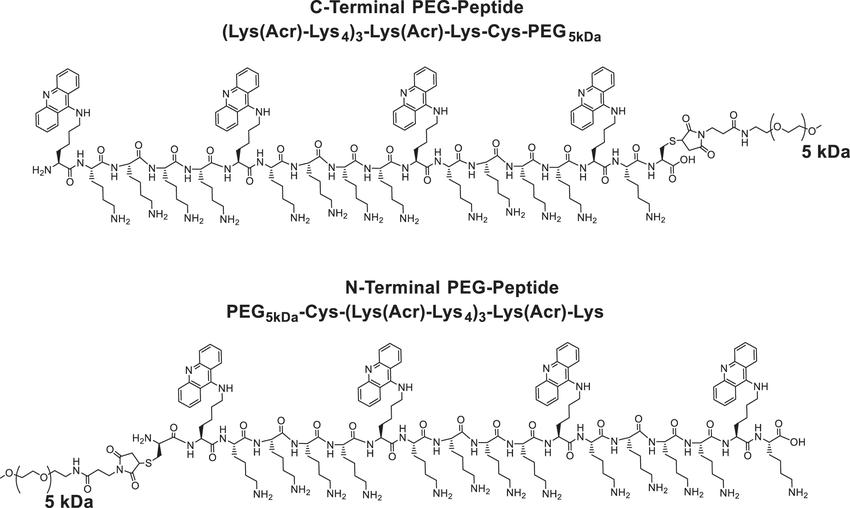
Peptide PEGylation attaches polyethylene glycol chains to peptides, improving solubility, extending circulation half-life, reducing degradation, and lowering immunogenicity. This approach addresses key limitations like rapid enzymatic breakdown and short plasma half-life in peptide therapeutics. It supports research from discovery to preclinical stages with precise synthesis and analysis.

High-Purity Research Peptides for Lab Use
Laboratories require high-purity research peptides for accurate investigations. This overview lists compounds like BPC-157 10mg at $85.50 - $95.00 and TB-500 capsules, along with prices and key details. All items serve research, laboratory, or analytical purposes only, not human consumption.
Peptides in Diabetes Research: Roles in Treatment and Management
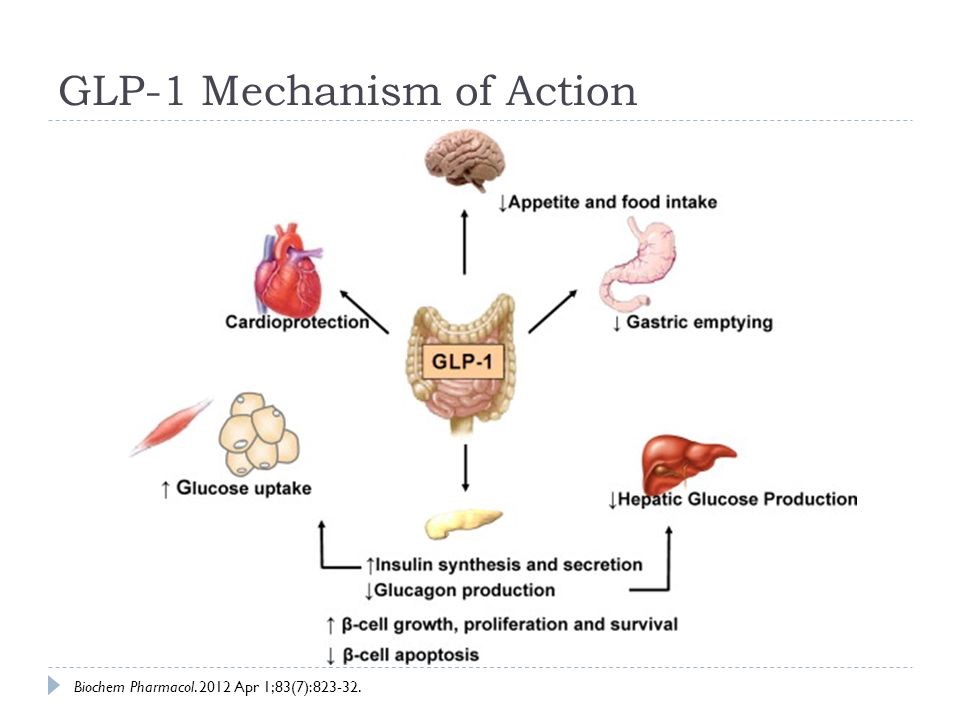
Diabetes affects 422 million people worldwide, with projections reaching 700 million by 2045. Peptides play key roles in glucose regulation, offering options for therapy, diagnosis, and prevention in both type 1 and type 2 diabetes. From GLP-1 agonists like semaglutide to dual agonists such as tirzepatide, these compounds address insulin resistance and related issues.
BPC-157 vs GHK-Cu: Comparing Top Research Peptides
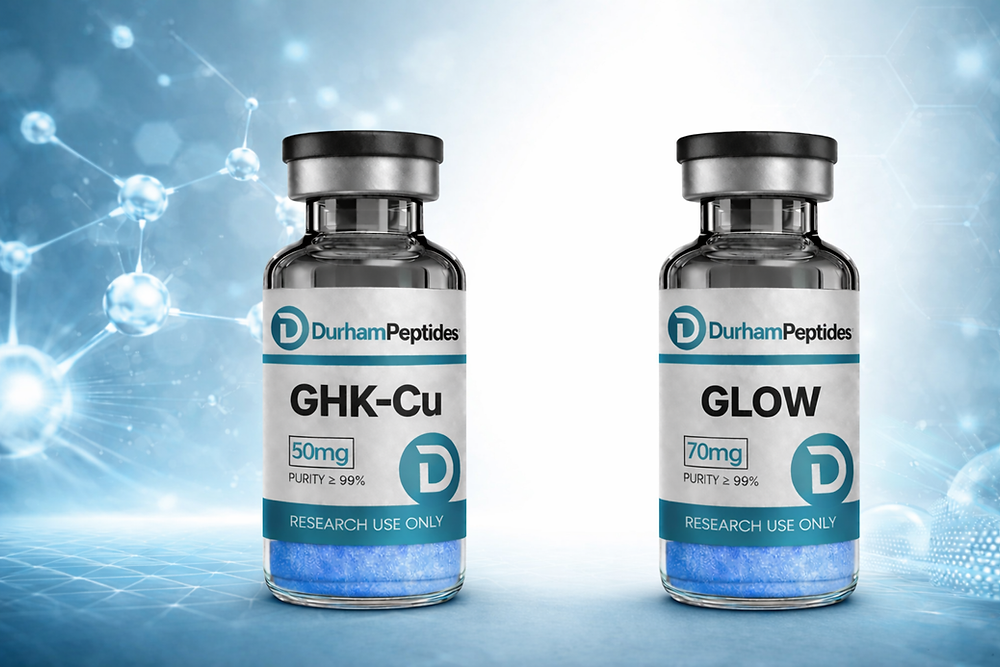
BPC-157 and GHK-Cu stand out among research peptides for their extensive studies in tissue repair and anti-aging. BPC-157, a 15-amino-acid peptide from human gastric juice, focuses on angiogenesis and wound healing. GHK-Cu, a copper-bound tripeptide from human plasma, targets gene expression and skin remodeling, with over 100 published studies.

Multitargeting Peptides Tackle Tumor Heterogeneity in Oncology
Multitargeting peptides address key challenges in precision oncology by binding multiple tumor-associated receptors or pathways, countering tumor heterogeneity and single-target limitations. These constructs offer improved durability against escape mechanisms and better coverage of diverse tumor cells compared to monovalent peptides. They combine modular design with advantages like rapid synthesis and controlled clearance for more reliable therapeutic pressure.

Core Terms and Conditions for Research Compound Sales
These terms govern all offers and sales of research products and services for professional use only. Buyers must confirm professional status and comply with laws on handling. Key rules cover orders, prices in euros, pounds sterling, US dollars or Swiss francs, and payments due within 30 days with late fees at 12% interest.
Acetyl Hexapeptide-3: Research on Anti-Wrinkle Skin Benefits
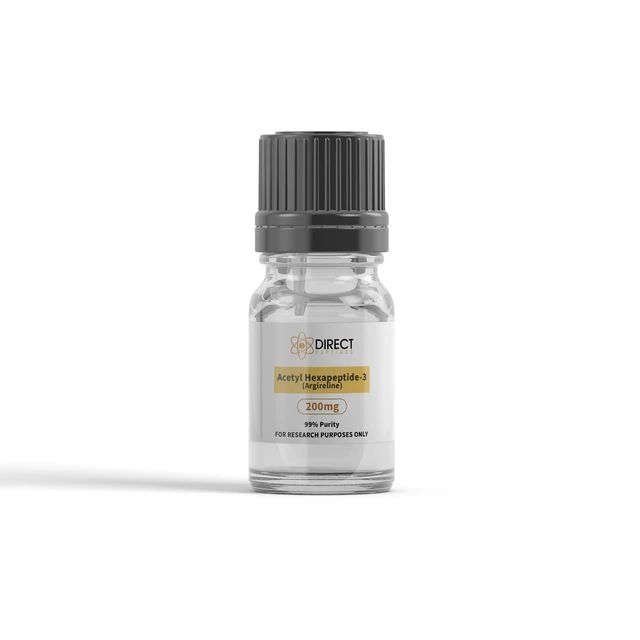
Acetyl Hexapeptide-3 serves as a synthetic hexapeptide in research focused on skin health improvement. Studies examine its role in limiting facial muscle contractions to lessen fine lines and wrinkles, while also boosting collagen and hydration. Available as a 200mg topical peptide for laboratory use, it shows promise as a non-invasive anti-aging option backed by clinical trials.