Key Takeaways
- •Short-chain polypeptides known as oligopeptides form from 2 to 20 amino acids connected by peptide bonds.
- •Oligopeptides draw attention for their skin permeability and bioactivity.
- •Oligopeptides differ from polypeptides mainly by amino acid count.
Discovery and Core Definition of Oligopeptides
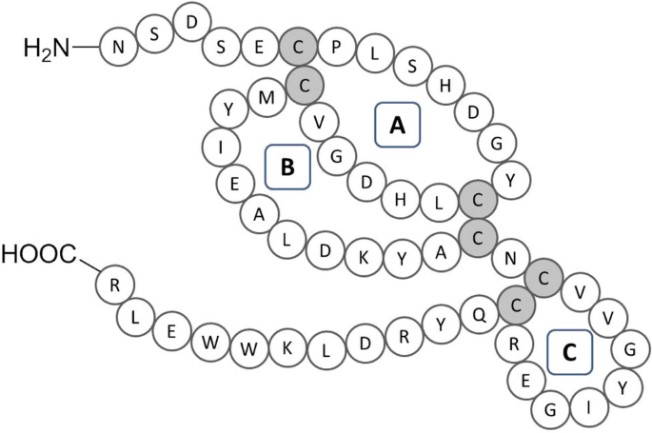
Short-chain polypeptides known as oligopeptides form from 2 to 20 amino acids connected by peptide bonds. They show key biological activities both inside cells and in living organisms, appear commonly in natural proteins, and can come from synthetic production. With low molecular weights and basic structures, their adaptable shapes allow diverse roles in cosmetics, medicine, and research.
Oligopeptides draw attention for their skin permeability and bioactivity. Unlike longer chains, they cross barriers readily to deliver effects.
Distinctions from Polypeptides and Proteins
Oligopeptides differ from polypeptides mainly by amino acid count. Polypeptides contain 10 to 50 amino acids, while chains over 50 count as proteins. Short lengths help oligopeptides pass skin barriers with ease and activate functions inside and outside the body.
Compared to polypeptides, oligopeptides prove simpler to produce and alter. They offer superior stability and uptake in skin formulations. Check the Peptide Glossary for detailed terms on these distinctions.
Notable Oligopeptides for Skin and Repair
Palmitoyl oligopeptide, a lipid-altered version, aids skin entry and provides enduring hydration. It boosts collagen and hyaluronic acid production, bolsters barrier strength, lessens fine lines and wrinkles, and appears in anti-aging items.
Rh oligopeptide, made via genetic methods, fosters cell growth and barrier repair. Rh oligopeptide-1, or rh EGF, copies epidermal growth factor effects to spur skin cell growth, improve repair, enhance elasticity and glow, and feature in care products.
Oligopeptide-1 builds from glycine, histidine, and lysine with a weight under 1,000 Da, 3,000 times smaller than bacteria for quick skin uptake. It mends dry, dull, sensitive skin and balances moisture and oil as a natural repair agent from ECM protein and type I collagen. Proteases release it at wounds to start repair, plus it raises integrin expression and keratinocyte stemness and growth potential.
Epidermal Growth Factor and Hair-Focused Variants
SH-Oligopeptide-1, or epidermal growth factor analog, matches human EGF with 53 amino acids and about 6,200 Da molecular weight. Discovered in 1962 by Dr. Stanley Cohen from animal glands, it earned him the 1986 Nobel Prize in Physiology or Medicine. It advances DNA and RNA synthesis in wound repair, speeds granulation and epithelial growth, cuts healing time, and betters repair quality for broad medical uses.
SH-Oligopeptide-78 mimics keratin structure via disulfide bonds from cysteine, not hydrophobics or carbs. It binds hair through sulfur links to steady fibers and shield them. Oligopeptide-104 activates follicle stem cells to extend growth phases, curb loss, and grow new hair in growth formulas.
Oligopeptide-20 serves anti-aging and whitening needs by blocking tyrosinase to cut melanin and brighten tone. It also spurs collagen for better elasticity and smoothness. Use the Solubility Predictor to assess these in formulations.
Broad Benefits Across Skin, Lips, and Hair
Oligopeptides excel in biomedicine and beauty through small sizes that reach the dermis directly. High stability resists skin enzymes for lasting action, while anti-inflammatory, antioxidant, and regenerative traits enhance skin and slow aging.
In skin care, they drive collagen, renew cells, repair damage, and lift elasticity and shine. Anti-aging products use them to fade lines, firm skin; some fight inflammation and bacteria for sensitive types.
- Lips gain hydration, bounce, fullness, and fewer lines from oligopeptide moisture boosts on thin, vulnerable skin.
- Hair products employ them to wake follicles, extend growth, cut loss, better scalp health, reduce dandruff, and yield thicker, glossier strands.
Production Through Chemical Synthesis
Solid-phase peptide synthesis builds oligopeptides by adding amino acids step by step. This controls sequence and length precisely for scaled output.
Protect α-amino and side groups with agents like Boc or Fmoc to avoid side reactions. Activate acids with DCC or HOBt for linkage readiness.
Condense activated acids with next protected ones to form bonds, in solution with solvents and bases or on solid supports. Finish by stripping protectors post-synthesis. Tools like the Peptide Stability Calculator help predict handling. Browse our catalog for research options.
Key Takeaways on Oligopeptide Potential
Oligopeptides stand out for easy skin access, stability, and repair powers in care routines. From collagen boosts to hair strengthening, their roles span daily health needs. Research continues to expand their precise uses in wellness.