
Key Takeaways
- •Special antigen peptides consist of short amino acid sequences, usually 5 to 50 residues in length.
- •Special antigen peptides replicate antigenic epitopes from pathogens or tumor proteins.
- •These peptides also aid immunotherapy by directing the immune system against illnesses.
Special Antigen Peptides in Vaccines and Immunotherapy
Special antigen peptides consist of short amino acid sequences, usually 5 to 50 residues in length. These peptides show antigenic traits from proteins linked to infectious diseases, cancers, autoimmune conditions, or other treatment targets. They support key work in biomedical studies and medical uses, especially for vaccines, immune treatments, and test methods.
Definition and Core Functions
Special antigen peptides replicate antigenic epitopes from pathogens or tumor proteins. In vaccine creation, they prompt the immune system to fight specific germs or faulty cells. This approach builds focused immune reactions while avoiding the disease itself, which boosts vaccine safety and performance.
These peptides also aid immunotherapy by directing the immune system against illnesses. They help create treatments that produce cytotoxic T lymphocytes against cancer or adjust responses in autoimmune issues. Their compact size allows easy absorption by immune cells and display to T cells, improving control of immune activity.
Design Strategies for Effectiveness
Creating special antigen peptides requires careful steps to use their immune-triggering traits. Designers pick epitopes from disease proteins that can spark precise immune replies. Bioinformatics tools predict these epitopes from sequence and structure data, shaping early design phases.
After selection, sequences get refined for better immune response, durability, and precision. Changes to amino acids can strengthen ties to major histocompatibility complex molecules or add safeguards against breakdown. Models and lab tests confirm these tweaks keep the peptides functional.
Modifications further improve traits, such as linking to carriers or adjuvants for better solubility and immune boost. Chemical tweaks aid drug behavior in the body. Methods like solid-phase synthesis and recombinant production enable quick, reliable making and analysis for lab-to-clinic progress.
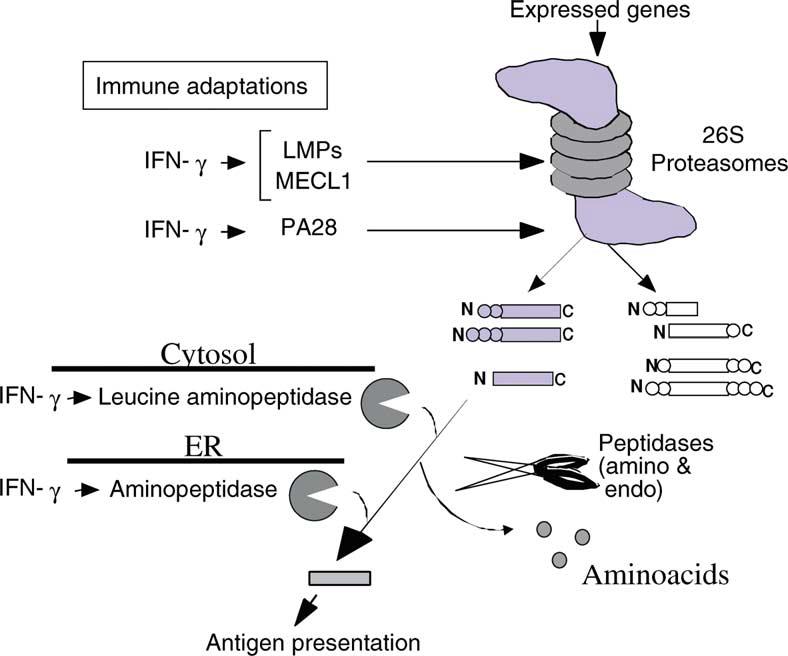
Pathways involved in the generation and destruction of antigen peptides. (Goldberg A L., et al., 2002)
For detailed terms, check the Peptide Glossary.
Key Benefits of Special Antigen Peptides
These peptides offer high specificity by targeting exact protein or pathogen areas. This reduces unwanted effects, keeping immune action on sick targets and away from healthy ones.
Customizability allows additions like adjuvants or carrier links to boost responses and stability. Such changes improve solubility, body availability, and resistance to enzymes, vital for treatments.
Advanced synthesis, including solid-phase and recombinant methods, provides fast, scalable output at lower costs. This helps address new outbreaks and supports trial-scale production.


Applications in Personalized Medicine
Special antigen peptides fit individual gene types or disease signs, raising treatment success and cutting side effects. They enable custom vaccines and therapies for patient-specific needs.
Their flexibility spans many uses beyond vaccines, like diagnostics and immune treatments. In tests, they spot disease-linked antibodies or T-cell activity with strong sensitivity. For cancers, they act as targets; for autoimmune cases, they adjust immunity.
Specific Research and Development Areas
In infectious disease work, peptides draw from known pathogen sequences to build libraries for vaccines and immune studies. Tools select top immune-triggering epitopes for threats like COVID-19, malaria, and tuberculosis.
Diverse collections of peptide libraries aid screening, epitope mapping, and antibody production. These cover wide sequence ranges for various research needs. Use the Dosage & Cycle Planner or browse our catalog for related resources.
Vaccine and Diagnostic Roles
For vaccines, special antigen peptides copy pathogen or tumor epitopes to drive safe, targeted immunity. In immunotherapy, they spark anti-cancer responses or balance autoimmune activity.
Diagnostics rely on them for precise antibody or T-cell detection, aiding early spotting, treatment tracking, and profiling. Biomedical research uses them to probe immune paths, disease processes, and targets.
Stay updated via latest peptide news.
Special antigen peptides stand out for their precision and adaptability across immunology. Their design and production advances continue to support vaccines, therapies, and diagnostics effectively.


