


KPV 10mg (Lys-Pro-Val)
For in-vitro laboratory research only. Not for human or animal administration.
Batch #: VPKP10100 · tested as lot VPKP10100 on the certificate
Lab Verified
Certificate of Analysis
Latest COA reported September 27, 2026.
Lot VPKP10100, the batch number on this page.
Batch Purity
99.7%
Mass / Quantity
10.67 mg net peptide
Research Use Only
For in-vitro laboratory research by qualified professionals only. Not for human or animal administration. Not a drug, food, cosmetic or dietary supplement. Not intended to diagnose, treat, cure, mitigate or prevent any disease. Batch-specific Certificates of Analysis available for all products.
KPV 10mg: overview
What the vial contains and what the material is, stated as specifications rather than as outcomes.
KPV supplied as a lyophilized powder in a sealed single-use vial containing 10 mg of material. KPV is the tripeptide L-lysyl-L-prolyl-L-valine, CAS 67727-97-3, corresponding to the C-terminal fragment of alpha-melanocyte-stimulating hormone. Purity greater than 99% by HPLC. Soluble in bacteriostatic water. Supplied for in-vitro laboratory research only. Not a drug, food or supplement. Not for human or veterinary use.
Volta does not provide dosing, administration or protocol guidance for any material listed.
KPV 10mg specifications
Every field the product record holds. A field with no value is omitted rather than printed as a dash.
- Fill
- 10mg
- Form
- Lyophilized powder
- CAS number
- 67727-97-3
- Molecular formula
- C₁₆H₃₀N₄O₄
- Molecular weight
- 342.43 g/mol
- Solubility
- Soluble in water, bacteriostatic water
- Shelf life
- 24 months from date of manufacture
KPV Peptide analytical verification and batch documentation
What the purity figure on this page is, who measured what, and which of the two a reader is looking at.
Specification. Every batch is released to >99% purity by HPLC. That is a threshold Volta sets, and it is a promise rather than a measurement.
Measurement. SideChain Analytics reported 99.7% by HPLC-MS/MS for lot VPKP10100 on September 27, 2026, and confirmed identity at an observed mass of 10.67 mg net peptide. That report covers this vial.
The certificate can be checked against the laboratory rather than against us: verify on SideChain Analytics.
Checking a certificate. The batch number printed beside the price is derived from the compound code and the vial strength; the lot number on a certificate is transcribed from the document. They are produced independently, so comparing them is a real check. How to read one is set out in the quality and testing methodology page.
For in-vitro laboratory research by qualified professionals only. Not for human or animal administration. Not a drug, food, cosmetic or dietary supplement. Not intended to diagnose, treat, cure, mitigate or prevent any disease.
KPV is the C-terminal peptide fragment of alpha-MSH (amino acid sequence: Lys-Pro-Val) with significant anti-inflammatory effects. The most important discovery from KPV research is its ability to reduce intestinal inflammation, with robust results in mouse models of inflammatory bowel disease showing reduced inflammatory infiltrates, decreased MPO activity, and accelerated mucosal healing through strong downregulation of TNF-alpha. KPV enters colonic cells via PepT1, a transporter upregulated during inflammation, suggesting it may be an effective maintenance compound that is active only when needed. The peptide also reduces NF-kappaB and mitogen-activated protein kinase activity, exhibits antimicrobial properties against Staphylococcus aureus and Candida albicans at physiological concentrations, and lacks the skin pigmentation side effects of its parent alpha-MSH molecule. Because KPV is a small peptide, it can be administered via multiple routes including oral, intravenous, and transdermal. This 10mg vial provides material for comprehensive immune modulation and gut health research.
- Released to a >99% purity specification by HPLC
- Batch tested by SideChain Analytics, certificate published
- Lyophilized powder, 10mg per vial
- Soluble in water, bacteriostatic water
- For laboratory research use only
Frequently Bought Together

KPV 10mg
10mg
$39 USD
Bundle & Save
$83 USD
Save $4.15 USD
$167 USD
Save $16.70 USD
$199 USD
Save $29.85 USD
$273 USD
Save $54.60 USD
Click any product above to toggle selection
Related research materials


KPV 10mg: what is in the vial
The arithmetic specific to this 10mg vial, and what a milligram of KPV costs in each strength the catalogue carries. Concentrations are stated, not recommended.
Vial contents
10 mg
Lyophilised powder, reconstituted by the buyer
Cost of material
$3.90 / mg USD
CA$5.60 / mg in Canadian dollars
Concentration at each diluent volume
10 mg of dry material reaches these concentrations in the volumes below. A U-100 syringe marking is 0.01 ml by definition, so the last column is a unit conversion at each concentration rather than a quantity to use.
| Diluent added | Concentration | In 0.1 ml | Per U-100 unit |
|---|---|---|---|
| 1 ml | 10 mg/ml | 1 mg | 100 mcg |
| 2 ml | 5 mg/ml | 500 mcg | 50 mcg |
| 3 ml | 3.33 mg/ml | 333.3 mcg | 33.3 mcg |
| 5 ml | 2 mg/ml | 200 mcg | 20 mcg |
For a volume this table does not list, the reconstitution calculator takes any vial size and diluent volume.
KPV purity and identity: how the figure is measured
What >99% (HPLC) means, the masses an identity check has to land on, and the entries that make a certificate of analysis checkable rather than decorative.
Stated purity
>99% (HPLC)
Area percent of the main peak by reversed-phase HPLC
Average mass
342.43 g/mol
The figure an identity check has to land on
Detection
214 nm
Identity by mass: the ions to expect
An electrospray source protonates the molecule rather than weighing it neutral, so a spectrum shows a series of charge states rather than the molecular weight itself. These are the m/z values 342.43 g/mol produces, and they are what a mass spectrum on a certificate for KPV has to match.
| Ion | Charge | Expected m/z |
|---|---|---|
| [M+H]+ | 1+ | 343.44 |
Why 214 nm
The sequence carries neither tryptophan nor tyrosine, so it has no absorbance at 280 nm. Detection is at 214 nm, on the peptide bond itself.
This matters when reading someone else's certificate: a purity figure quoted at 280 nm for a compound with no aromatic residue is measuring an absorbance the molecule does not have.
What a certificate for KPV should carry
A purity percentage on its own is not checkable. These are the entries that make one verifiable, and their absence is the most common weakness in a research-peptide certificate.
The chromatogram, not only the number
A stated area percent with no trace behind it cannot be read for the shape of the main peak or for what eluted beside it. The HPLC interpreter walks through what a trace shows.
Net peptide content, separately from gross mass
A lyophilised peptide is a salt, usually of trifluoroacetic or acetic acid, plus residual water. The vial's stated milligrams are gross; net peptide content is the fraction of that mass which is the molecule. The two differ by ten to twenty percent routinely, and only one of them is what the price is per milligram of. The net peptide content calculator converts between them.
The counterion, named
Which salt form the powder is in changes the net content and the pH the powder dissolves at. A certificate that never names it leaves both unknowable.
Water content, by a stated method
Loss on drying and Karl Fischer titration give different numbers, and a water figure with no method attached cannot be compared with anyone else's.
A laboratory and a report identifier
Without both, nothing on the document can be traced back to the laboratory that issued it. The red flag checker lists the rest.
Published certificate for this batch
- Laboratory
- SideChain Analytics
- Report ID
- COA-2026-SC-02803
- Reported
- September 27, 2026
- Purity
- 99.7%
- Method
- HPLC-MS/MS
- Lot
- VPKP10100
Read the reported figures against the expected masses above. Full pages are in the certificate library.
KPV storage and stability
Handling as the product record states it, followed by the degradation chemistry this particular sequence is and is not exposed to.
Handling
Store lyophilized peptide at -20°C in a dry, dark environment. Reconstitute in bacteriostatic water or sterile saline. Once reconstituted, store at 2-8°C and use within 30 days. Lyophilized powder is stable at room temperature for shipping and short-term storage.
What holds up
The degradation routes this compound is not exposed to, which is as specific a fact as the ones it is.
No oxidation-labile side chain
no Met, Cys or Trp in the sequenceThe three residues that oxidise readily are all absent, so the most common degradation route for a research peptide does not apply to this one. Air in the vial headspace is not the risk here that it is for a methionine-containing compound.
No deamidation site
no Asn or Gln in the sequenceDeamidation is the slow clock on most reconstituted peptides, and it needs an asparagine or a glutamine to run. This sequence has neither, so time in solution does not convert it to a one-dalton-heavier, more acidic relative.
No ultraviolet chromophore
no Trp or Tyr in the sequencePhoto-oxidation of peptides runs mainly through the aromatic side chains, and this sequence has none. Storing in the dark remains good practice for the excipients and the diluent, but the molecule itself has no strong absorber for ultraviolet light to act on.
Net hydrophilic
GRAVY -0.43A negative grand average of hydropathy means the side chains are on balance polar, which is the profile that stays in solution rather than associating. Freeze-thaw cycles are still worth avoiding, but this compound is not one of the hydrophobic sequences that aggregate irreversibly at an ice front.
Solubility window
calculated pI 10.1, net charge 1 at pH 7A peptide is least soluble within about a pH unit of its isoelectric point, where it carries no net charge. This one is far enough from neutral that it holds a real charge in an ordinary diluent, which is what keeps it dissolved.
Proline-rich backbone
1 Pro across 3 residues, 33%Proline's ring locks the backbone angle and gives it no amide hydrogen to donate, so a proline-rich chain is conformationally rigid and a poor substrate for the proteases that cut ordinary sequences. That rigidity is the structural reason this class of compound survives conditions that degrade a comparable peptide of the same length.
Derived from the primary sequence KPV, calculated isoelectric point 10.11, GRAVY -0.433. Check the arithmetic with the peptide property calculator and the freeze-thaw estimator.
KPV compared with BPC-157 and Epithalon
Pharmacological class, half-life, evidence grade, competition status and cost per milligram, side by side.
| Compound | Class | Half-life | Evidence | WADA | Cheapest per mg |
|---|---|---|---|---|---|
| KPVthis page | Anti-Inflammatory / Immune | ~2 hours (SC); shorter oral due to GI degradation | DPreclinical | Not listed | $3.9010mg vial |
| BPC-157 | Healing & Recovery | ~15 min IV (animal data); oral activity persists 24+ hours | CPhase I–II Clinical Trials | Prohibited | $4.6010mg vial |
| Epithalon | Anti-Aging / Telomere | Several hours | DPreclinical | Not listed | $3.4010mg vial |
| FOXO4-DRI | Senolytic / Anti-Aging | Extended (D-amino acid configuration resists proteolysis) | DPreclinical | Not listed | $17.6010mg vial, out of stock |
| DSIP | Sleep / Neuropeptide | ~7–8 minutes IV; longer SC | DPreclinical | Not listed | $4.6710mg vial |
Evidence grades and half-lives are as recorded in the compound database, which cites its own sources on each compound page. Per-milligram prices are the cheapest strength each compound is currently listed at, in US dollars, and an out-of-stock note means that figure is not purchasable today. Cross-trial comparisons of efficacy are not comparisons: no head-to-head trial exists for most of these pairs.
KPV in Canada
Price in Canadian dollars, where the parcel ships from, and how long it takes.
Price in CAD
CA$56
The figure charged, not a converted estimate
Ships from
British Columbia
A domestic parcel, so no import clearance step
Transit
2 to 5 business days
After 1 to 2 business days of handling
Free standard shipping
Over CA$250
A bar set for this market, not converted from the US one
KPV 10mg ships from British Columbia to Canadian addresses, so the parcel never crosses a border. That removes the failure a Canadian buyer of research peptides is usually weighing: an inbound international shipment can be held for import clearance or seized, and a domestic one has no clearance step to be held at.
Shipping is quoted live against the delivery address at checkout rather than estimated here, and both the standard and express tiers show their price and transit window before a payment method is chosen. The figure the page shows is the figure the rail charges: all three settlement rails price shipping through the same functions the quote does.
The Canadian figure above is not a loose conversion. Each product's US dollar base is chosen so that the live conversion lands on the Canadian shelf price set for this market, and the result is pushed up to a whole dollar rather than left carrying cents, so one figure serves the page, the feed and every payment rail. See the shipping policy for carriers and cut-off times, and the legal position on research peptides in Canada for the regulatory picture.
KPV (ACTH(11-13), alpha-MSH)
KPV is the C-terminal peptide fragment of alpha-melanocyte stimulating hormone (alpha-MSH). It is one of many short peptide derivatives of alpha-MSH that has been tested to determine if they retain similar photoprotective properties, activity against ischemia, sexual effects, or benefits on feeding behavior and energy homeostasis. KPV, which is made up of lysine-proline-valine turns out to have significant anti-inflammatory effects[1]. The peptide is under active research as a potential therapeutic in the treatment of inflammatory bowel disease. It has shown evidence of potent anti-inflammatory activity in the central nervous system, GI tract, lungs, vascular system, and joints. Because KPV is a small peptide, it can be administered in multiple ways including oral, intravenous, and transdermal routes.
KPV Mechanism of Action
KPV is the tripeptide lysine-proline-valine, corresponding to residues 11 to 13 of alpha-melanocyte-stimulating hormone. It is the C-terminal fragment of that hormone, and the reason it is studied separately is that the anti-inflammatory activity of alpha-MSH is largely retained in this fragment while the pigmentary activity, which requires the melanocortin receptor binding determinants further along the sequence, is not.
The mechanism that distinguishes KPV from most anti-inflammatory peptides is how it enters cells. Work in intestinal epithelium established that uptake is mediated by PepT1, an oligopeptide transporter expressed on intestinal epithelial cells and upregulated in inflamed intestinal tissue. PepT1 normally carries di- and tripeptides from digested protein, and KPV is the right size to use it. That gives a route into the cell that does not depend on a melanocortin receptor at all.
Once inside, reported effects centre on suppression of pro-inflammatory signalling, including inhibition of NF-kappaB activation and reduced production of inflammatory cytokines. Because PepT1 expression increases in inflamed intestinal tissue, the transporter provides a degree of self-targeting: the peptide is taken up preferentially where the transporter is most abundant, which is where the inflammation is.
Origin
KPV is residues 11 to 13 of alpha-melanocyte-stimulating hormone, the C-terminal tripeptide of that hormone.
PepT1-mediated uptake
Entry into intestinal epithelial cells occurs through the oligopeptide transporter PepT1, which normally carries di- and tripeptides and is upregulated in inflamed intestinal tissue.
Receptor-independent action
Because uptake is transporter-mediated rather than receptor-mediated, the anti-inflammatory effect does not require melanocortin receptor engagement.
Suppression of inflammatory signalling
Reported inhibition of NF-kappaB activation and reduced pro-inflammatory cytokine production inside the cell.
Self-targeting consequence
Since PepT1 is upregulated where tissue is inflamed, uptake concentrates in inflamed tissue, which is the basis for the targeted delivery approaches built around this peptide.
KPV Research Findings
The evidence base is preclinical and centres on intestinal inflammation. Each entry names its model.
Anti-inflammatory activity in murine models of intestinal inflammation
Work in murine models of inflammatory bowel disease reported that the melanocortin-derived tripeptide has anti-inflammatory potential, reducing markers of intestinal inflammation relative to controls.
Rodent modelPepT1-mediated uptake established as the entry route
Gastroenterology work demonstrated that KPV uptake by intestinal epithelial cells occurs through the PepT1 transporter and that this uptake reduces intestinal inflammation, establishing the transporter rather than a receptor as the mechanism of entry.
In vitroEfficacy at very low concentrations when delivered to the colon
Nanoparticle delivery targeted to the colon reduced colitis in mice at doses far below those required for the free peptide, indicating that delivery rather than intrinsic potency is the limiting factor for this molecule.
Rodent modelOrally targeted delivery reduces colitis
Hyaluronic acid-functionalised nanoparticles delivering KPV orally were reported to reduce experimental colitis, extending the delivery work to a route more relevant to intestinal disease.
Rodent modelRole of PepT1 in colitis-associated cancer
Work examining PepT1 in colitis-associated cancer reported therapeutic benefit from the anti-inflammatory tripeptide in that setting, linking the transporter, the peptide and disease progression in one model.
Rodent modelStabilised hydrogel formulation for sustained delivery
A self-cross-linked hydrogel of cysteamine-grafted polyglutamic acid was developed to stabilise KPV, reflecting that formulation is the principal obstacle to using a tripeptide of this size therapeutically.
In vitroKPV Peptide Structure
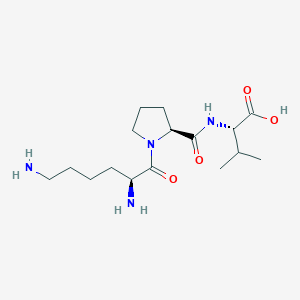
| Sequence | Lys-Pro-Val |
| Single-letter Code | KPV |
| Molecular Formula | C₁₆H₃₀N₄O₄ |
| Molecular Weight | 342.43 g/mol |
| Length | 3 amino acids |
| Corresponds To | Residues 11 to 13 of alpha-melanocyte-stimulating hormone |
| Uptake Route | PepT1 oligopeptide transporter |
| Parent Hormone | Alpha-melanocyte-stimulating hormone, 13 amino acids |
| Pigmentary Activity | None. The melanocortin binding determinants lie outside this fragment |
| Appearance | White lyophilised powder |
| Amino Acid Sequence | Lys-Pro-Val |
| PubChem CID | 125672 |
| CAS Number | 67727-97-3 |
| Synonyms | MSH (11-13), ACTH(11-13), alpha-MSH(11-13) |
Intestinal Inflammation
Perhaps the most important discovery to arise from KPV research is the finding that the peptide reduces intestinal inflammation. In mouse models of inflammatory bowel disease (IBD), KPV shows robust results, reducing inflammatory infiltrates, MPO activity, and overall histological evidence of inflammation. Mice treated with KPV in the study recovered faster and had more pronounced weight gain than mice treated with placebo[2].
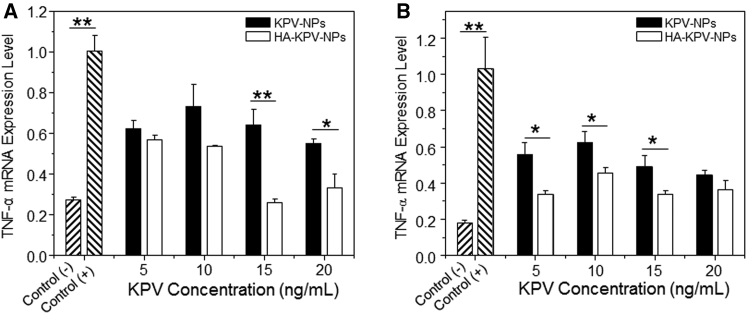
Further research on delivery mechanisms for KPV has revealed that loading KPV onto nanoparticles functionalized with hyaluronic acid helps to direct the inflammatory effects of the peptide to proper locations within the intestine. This leads to accelerated mucosal healing and alleviation of inflammation via a strong down regulation of TNF-alpha in mouse models[3]. In many ways, KPV is a more effective and more targeted means of reducing inflammation in IBD without affecting TNF-alpha in other locations in the body. The benefit of modifying KPV is in improving the peptide’s oral bioavailability. This does not increase the efficacy of the peptide, but does have an impact on potency and thus total dose required to achieve an effect.
KPV and Colonic Inflammation Pathways
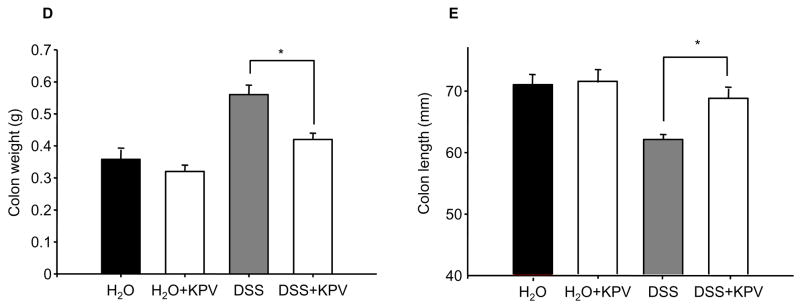
Research suggests that TNF-alpha is not the only inflammatory mediator that KPV has an impact on. The peptide also reduces NF-kappaB and mitogen-activated protein kinase activity. These effects work in tandem with TNF-alpha inhibition to reduce inflammatory changes in the intestine. Mice treated with KPV have substantially less colonic infiltration and normal colon lengths compared to controls[4].
Of interest is the fact KPV appears to only have an effect in the setting of overblown inflammation. It has almost no effect in normal tissue. At least part of the reason for this is that KPV enters colonic cells via a transporter that is unregulated in the setting of inflammation. This suggests that KPV may be an effective preventative or maintenance compound in the setting of IBD. It can be safely administered even during quiescent periods because it has no effect. If taken regularly, then the peptide will be available when needed and simply excreted otherwise.
Professor Didier Merlin, who has led a great deal of research into the potential GI benefits of KPV, has recently found that the peptide enters colonic cells via PepT1, a protein channel that is only expressed in any real quantity in the intestine during inflammatory states. This helps to explain why KPV is more effective in already inflamed settings. It also suggests a new mode of drug delivery that could be applicable to a number of conditions. By targeting proteins that are altered in disease conditions, even if they are not directly pathogenic, it may be possible to concentrate the activity of drugs in certain areas. This could allow for decreased dosing of drugs with serious side effects and the development of drugs that, while not potent on their own, are formidable therapeutics in the setting of the right disease state.
KPV as a General Anti-Inflammatory
As far back as 1984, research in rabbits revealed that KPV is a powerful anti-inflammatory and fever reducer (anti-pyretic). In this setting, however, KPV had lower potency than the full alpha-MSH molecule. This suggested to scientists at the time that KPV was lacking some portion of the alpha-MSH molecule necessary for full anti-pyretic activity[5]. What ensued was decades of research investigating various modified forms of alpha-MSH.
Perhaps the biggest lesson learned from these tests is that alpha-MSH and several of its analogues all reduce inflammation in a wide variety of disease. So far, the molecules have been tested in fever, irritant and allergic contact dermatitis, vasculitis, fibrosis, arthritis and inflammation of the eyes, brain, lungs, and gastrointestinal tract. In all cases, alpha-MSH is the most effective anti-inflammatory. Unfortunately, it suffers from one major side effect – it causes skin pigmentation. KPV, on the other hand, does not have this side effect. And even though KPV is not as potent as the intact alpha-MSH, its lack of side effects means that boosting levels to achieve desired target effects is theoretically possible in most cases[6].
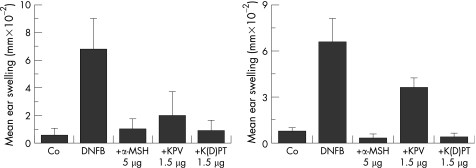
The difference in potency has been found to be minimal, at best, as the majority of anti-inflammatory effects of alpha-MSH are, in fact, due to the KPV section. What is interesting, however, is that the parent molecule appears to be better at suppressing late-stage inflammatory reaction. In the case of contact dermatitis, for instance, alpha-MSH does a better job of preventing an allergic inflammatory response at 2 weeks post initial exposure. This suggests that alpha-MSH may be affecting some aspect of immune modulation that is separate from the immediate inflammatory response[7]. Work is still being done to determine what this process is.
Wound Healing
Wound healing is a complex physiological process. Scientists have identified three general phases in the wound healing process: inflammatory, proliferative, and remodeling. Each phase is characterized by differences in cell populations and cytokine concentrations and represents a unique chemical/physiological milieu for potential intervention. Research shows that even though each stage of the wound healing process is characterized by different skin cell subtypes, the majority of these cells express a melanocortin 1 receptor (MC1R) that binds alpha-melanocyte-stimulating hormone. Of course, this also means that these cell types bind alpha-MSH analogues like KPV and KdPT as well[6].
Because these alpha-MSH derivatives retain some of the properties of alpha-MSH, but lack others, they offer potential benefits in wound healing. For instance, KPV offers the anti-inflammatory properties of alpha-MSH, but lacks the pigment-inducing activity of its parent peptide. This makes KPV a good candidate for improving wound healing while avoiding the skin-changing characteristics often associated with natural scar formation (a phenomenon disproportionately affecting darker-skinned individuals).
One of the reasons that KPV is anti-inflammatory is that it participates in the innate immune response against two common skin pathogens. Research shows that KPV inhibits the growth of both Staphylococcus aureus and Candida albicans. These benefits occur at physiological concentrations, meaning that KPV could provide an effective means of preventing infection in the setting of serious wounds like burns. This benefit of KPV is in contrast to other anti-inflammatory medications that actually inhibit the ability of the body to fight off infection. Thus, KPV combines anti-inflammatory activity with antimicrobial activity[8].
KPV actually serves as a structural model in recent research looking to replicate the anti-fungal effects of the peptide in novel therapeutics. The idea is that the 3D structure of KPV is what makes it an effective anti-fungal and that replicating this structure could allow researchers to develop compounds that have the same anti-fungal activity but different effects on other biological processes[9].
Scar Formation
In accordance with the known benefits of KPV in the first stage (inflammation) of wound healing, research has also investigated its role in the other two stages of wound healing. It appears that KPV is able to reduce the kind of chronic inflammation that leads to hypertrophic scar (e.g., keloid) formation. This type of scarring is characterized by widespread macrophage infiltration, TNF immunoreactivity, and neutrophil abundance. Administration of alpha-MSH in this setting leads to smaller scars and a less drastic inflammatory response[10]. Similar effects have been noted in other tissues such as lung and heart. These findings raise the hope that KPV could be useful in preventing the kind of scarring seen with certain chemotherapy agents[11]–[13]. This would not only reduce the side effects of cancer treatment, but could allow for the use of increased concentrations of these medications and thus better outcomes in cancer treatment.
According to Dr. Merlin, at least part of the benefit of KPV in reducing scar prominence appears to arise from its ability to modulate collagen metabolism. Alpha-MSH and its analogues suppress IL-8 secretion, which inhibits collagen type 1 production. This is important during the last phase of wound healing, remodeling, as it has been shown that people prone to keloid formation and hypertrophic scarring have less MC1R mRNA expression on dermal fibroblasts[14].
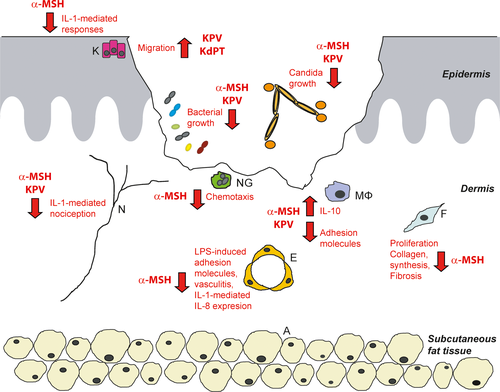
KPV versus Alpha-MSH
While alpha-MSH is the more potent molecule of the two, it has one serious disadvantage when compared to KPV – it causes skin pigmentation. This side effect alone has been enough to discourage further research into intact alpha-MSH as a potential anti-inflammatory. KPV is favored because it retains most of the anti-inflammatory properties of alpha-MSH yet has none of the side effects. KPV is also exceptionally easy to manufacture and thus has benefit from a cost and logistics standpoint as well[15]. Dr. Thomas Luger, a renowned dermatologist and expert in inflammatory diseases of the skin, has published on KPV extensively. His work demonstrates that the peptide has potent anti-inflammatory properties with few adverse effects.
It is also important to note that the anti-inflammatory effects of KPV appear to be mediated through a different mechanism than those of alpha-MSH. Whereas alpha-MSH binds to specific melanocortin receptors, KPV does not. Evidence of this comes from mouse studies in which blocking MC3/4 receptors, which mediate the anti-inflammatory effects of alpha-MSH, has no impact on the anti-inflammatory effects of KPV. Specifically, blocking these receptors does not block the leukocyte migration effects induced by KPV[16].
Another appealing aspect of KPV is the ease with which the peptide can be administered. Research in animal models has shown that KPV can be administered both orally, subcutaneously and via injection (peripherally or centrally) without serious side effects. Recently, similar research showed that KPV could be administered trans-dermally with success[17]. The ability to administer the drug via multiple routes is not just a matter of convenience either. Different routes of administration affect the way the peptide works and where its anti-inflammatory effects are targeted. The ability to alter the method of delivery makes it possible for scientists to target different areas within the body for treatment.
Why the Fragment Rather Than the Whole Hormone
Alpha-melanocyte-stimulating hormone has two broad activity profiles: it drives pigmentation through melanocortin receptors, and it is anti-inflammatory. For an anti-inflammatory application the pigmentary activity is an unwanted effect rather than a benefit.
KPV separates the two. The determinants required for melanocortin receptor binding and pigmentation lie in the central region of the hormone, particularly the His-Phe-Arg-Trp core. The C-terminal tripeptide retains much of the anti-inflammatory activity without those determinants, so it does not stimulate pigmentation.
This is a cleaner separation than most fragment approaches achieve, and it is the reason KPV is studied as its own entity rather than as a shortcut to making alpha-MSH more cheaply.
A Transporter, Not a Receptor
The usual question about a peptide is which receptor it binds. For KPV in intestinal tissue the more useful question is which transporter carries it. PepT1 is an oligopeptide transporter that moves di- and tripeptides from digested dietary protein across the intestinal epithelium, and KPV is exactly the size of molecule it handles.
That has two consequences. It gives the peptide a route into epithelial cells independent of melanocortin receptor expression, and because PepT1 is upregulated in inflamed intestinal tissue, uptake is concentrated where inflammation is greatest.
The second point is what makes the delivery literature around this compound coherent. If the transporter concentrates the peptide at the diseased site, then getting the peptide to the colon intact is the main problem to solve, which is why so much of the work involves nanoparticles and hydrogels rather than the free peptide.
Delivery Is the Limiting Factor
A tripeptide administered systemically is cleared rapidly and, taken orally, is exposed to the full length of the digestive tract before reaching the colon. That is why the effective doses reported for free KPV are much higher than those reported when the same peptide is delivered in a targeted carrier.
Studies using colon-targeted nanoparticles reported activity at doses orders of magnitude below those needed for the free peptide. Read correctly, that is a statement about delivery efficiency rather than about intrinsic potency, and it means dose figures quoted without the delivery method attached are close to meaningless for this compound.
There is no approved KPV product in any jurisdiction and no adequately powered human trial. Material supplied for research is for in-vitro laboratory use only.
Handling and Analytical Considerations
KPV is small, water-soluble and free of oxidation-prone residues, which makes it one of the more forgiving peptides in this catalogue to store and handle. Its small size also makes mass confirmation straightforward and unambiguous.
The proline in the central position introduces the same cis-trans isomerism consideration that affects other proline-containing peptides, which can broaden chromatographic peaks. For a tripeptide this is usually minor, but it is worth knowing before interpreting a peak shape as evidence of an impurity.
KPV Research FAQ
KPV Summary
KPV is the C-terminal tripeptide of alpha-melanocyte-stimulating hormone and has been studied for anti-inflammatory activity, most extensively in murine models of inflammatory bowel disease. Reported routes in those animal studies include oral, intravenous, subcutaneous and topical administration. Wound-healing work on KPV and other alpha-MSH derivatives is also preclinical. No regulator has approved KPV for any use, and no controlled human trial of the tripeptide has been reported.
The findings above were observed in cell culture and in rodents, and the exposures used in those studies do not scale to humans. KPV supplied by Volta Peptides is for in-vitro laboratory research only and is not for human or animal administration.
Article Author
Marcus Hopkin, PhD, is Director of Research and Development at Volta Peptides. He has more than 12 years of analytical chemistry experience, including peptide synthesis, characterization, purity testing and stability assessment.
Scientific Journal Author
Didier Merlin, Ph.D. is a professor at Georgia State University and research career scientist at Veterans Affairs Medical Center, Decatur, Ga. His research area is the study of intestinal epithelia, as directly related to intestinal bowel disease (IBD). Over one million adults and children in the U.S. suffer from IBD, and about 50,000 new cases are diagnosed each year. New therapeutic strategies based on a better understanding of the pathogenesis of IBD will improve the clinical care of patients with this disorder.
Scientific References
Primary literature and public trial registries only. No supplier or retailer pages are cited.
- 1Melanocortin-derived tripeptide KPV has anti-inflammatory potential in murine models of inflammatory bowel diseaseKannengiesser K, Maaser C, Heidemann J, et al. · Inflammatory Bowel Diseases · 2008
- 2PepT1-mediated tripeptide KPV uptake reduces intestinal inflammationDalmasso G, Charrier-Hisamuddin L, Nguyen HT, et al. · Gastroenterology · 2008
- 3Drug-loaded nanoparticles targeted to the colon with polysaccharide hydrogel reduce colitis in a mouse modelLaroui H, Dalmasso G, Nguyen HT, et al. · Gastroenterology · 2010
- 4Orally Targeted Delivery of Tripeptide KPV via Hyaluronic Acid-Functionalized Nanoparticles Efficiently Alleviates Ulcerative ColitisXiao B, Xu Z, Viennois E, et al. · Molecular Therapy · 2017
- 5Critical role of PepT1 in promoting colitis-associated cancer and therapeutic benefits of the anti-inflammatory PepT1-mediated tripeptide KPVViennois E, Ingersoll SA, Ayyadurai S, et al. · Cellular and Molecular Gastroenterology and Hepatology · 2016
- 6Self-Cross-Linked Hydrogel of Cysteamine-Grafted gamma-Polyglutamic Acid Stabilized Tripeptide KPVSun J, Xue P, et al. · ACS Biomaterials Science and Engineering · 2021
Referenced Citations
- 1M. E. Hiltz and J. M. Lipton, "Antiinflammatory activity of a COOH-terminal fragment of the neuropeptide alpha-MSH," FASEB J. Off. Publ. Fed. Am. Soc. Exp. Biol., vol. 3, no. 11, pp. 2282–2284, Sep. 1989.
- 2K. Kannengiesser et al., "Melanocortin-derived tripeptide KPV has anti-inflammatory potential in murine models of inflammatory bowel disease," Inflamm. Bowel Dis., vol. 14, no. 3, pp. 324–331, Mar. 2008, doi: 10.1002/ibd.20334.
- 3B. Xiao et al., "Orally Targeted Delivery of Tripeptide KPV via Hyaluronic Acid-Functionalized Nanoparticles Efficiently Alleviates Ulcerative Colitis," Mol. Ther. J. Am. Soc. Gene Ther., vol. 25, no. 7, pp. 1628–1640, 05 2017, doi: 10.1016/j.ymthe.2016.11.020.
- 4G. Dalmasso, L. Charrier-Hisamuddin, H. T. T. Nguyen, Y. Yan, S. Sitaraman, and D. Merlin, "PepT1-Mediated Tripeptide KPV Uptake Reduces Intestinal Inflammation," Gastroenterology, vol. 134, no. 1, pp. 166–178, Jan. 2008, doi: 10.1053/j.gastro.2007.10.026.
- 5D. B. Richards and J. M. Lipton, "Effect of alpha-MSH 11-13 (lysine-proline-valine) on fever in the rabbit," Peptides, vol. 5, no. 4, pp. 815–817, Aug. 1984, doi: 10.1016/0196-9781(84)90027-5.
- 6T. Brzoska, T. A. Luger, C. Maaser, C. Abels, and M. Böhm, "Alpha-melanocyte-stimulating hormone and related tripeptides: biochemistry, antiinflammatory and protective effects in vitro and in vivo, and future perspectives for the treatment of immune-mediated inflammatory diseases," Endocr. Rev., vol. 29, no. 5, pp. 581–602, Aug. 2008, doi: 10.1210/er.2007-0027.
- 7T. A. Luger and T. Brzoska, "α-MSH related peptides: a new class of anti-inflammatory and immunomodulating drugs," Ann. Rheum. Dis., vol. 66, no. Suppl 3, pp. iii52–iii55, Nov. 2007, doi: 10.1136/ard.2007.079780.
- 8M. Cutuli, S. Cristiani, J. M. Lipton, and A. Catania, "Antimicrobial effects of alpha-MSH peptides," J. Leukoc. Biol., vol. 67, no. 2, pp. 233–239, Feb. 2000, doi: 10.1002/jlb.67.2.233.
- 9M. F. Masman et al., "Synthesis and conformational analysis of His-Phe-Arg-Trp-NH2 and analogues with antifungal properties," Bioorg. Med. Chem., vol. 14, no. 22, pp. 7604–7614, Nov. 2006, doi: 10.1016/j.bmc.2006.07.007.
- 10K. S. de Souza et al., "Improved cutaneous wound healing after intraperitoneal injection of alpha-melanocyte-stimulating hormone," Exp. Dermatol., vol. 24, no. 3, pp. 198–203, Mar. 2015, doi: 10.1111/exd.12609.
- 11C. Lonati et al., "Modulatory effects of NDP-MSH in the regenerating liver after partial hepatectomy in rats," Peptides, vol. 50, pp. 145–152, Dec. 2013, doi: 10.1016/j.peptides.2013.10.014.
- 12G. Colombo et al., "Gene expression profiling reveals multiple protective influences of the peptide alpha-melanocyte-stimulating hormone in experimental heart transplantation," J. Immunol. Baltim. Md 1950, vol. 175, no. 5, pp. 3391–3401, Sep. 2005, doi: 10.4049/jimmunol.175.5.3391.
- 13G. Colombo et al., "Production and effects of alpha-melanocyte-stimulating hormone during acute lung injury," Shock Augusta Ga, vol. 27, no. 3, pp. 326–333, Mar. 2007, doi: 10.1097/01.shk.0000239764.80033.7e.
- 14M. Schiller et al., "Human Dermal Fibroblasts Express Prohormone Convertases 1 and 2 and Produce Proopiomelanocortin-Derived Peptides," J. Invest. Dermatol., vol. 117, no. 2, pp. 227–235, Aug. 2001, doi: 10.1046/j.0022-202x.2001.01412.x.
- 15T. Brzoska, M. Böhm, A. Lügering, K. Loser, and T. A. Luger, "Terminal signal: anti-inflammatory effects of α-melanocyte-stimulating hormone related peptides beyond the pharmacophore," Adv. Exp. Med. Biol., vol. 681, pp. 107–116, 2010, doi: 10.1007/978-1-4419-6354-3_8.
- 16S. J. Getting, H. B. Schiöth, and M. Perretti, "Dissection of the anti-inflammatory effect of the core and C-terminal (KPV) alpha-melanocyte-stimulating hormone peptides," J. Pharmacol. Exp. Ther., vol. 306, no. 2, pp. 631–637, Aug. 2003, doi: 10.1124/jpet.103.051623.
- 17K. Pawar, C. S. Kolli, V. K. Rangari, and R. J. Babu, "Transdermal Iontophoretic Delivery of Lysine-Proline-Valine (KPV) Peptide Across Microporated Human Skin," J. Pharm. Sci., vol. 106, no. 7, pp. 1814–1820, Jul. 2017, doi: 10.1016/j.xphs.2017.03.017.
Disclaimer
All articles and product information provided on this website are for informational and educational purposes only. The products offered on this website are furnished for in-vitro studies only. These products are not medicines or drugs and have not been approved by the FDA to prevent, treat or cure any medical condition, ailment or disease.
KPV 10mg: frequently asked questions
Answered from the product record and the certificate file. Volta does not answer questions about administration, dosing or protocols.
What is supplied in a 10 mg vial of KPV Peptide?
A sealed single-use vial containing 10 mg of KPV as a lyophilized powder. Soluble in water, bacteriostatic water. No diluent, syringe or other supply is included.
Is KPV Peptide supplied for human use?
No. For in-vitro laboratory research by qualified professionals only. Not for human or animal administration. Not a drug, food, cosmetic or dietary supplement. Not intended to diagnose, treat, cure, mitigate or prevent any disease. Volta does not provide dosing, administration or protocol guidance for any material listed.
What purity is this KPV Peptide released to?
>99% by HPLC is the specification every batch is released to. That is a threshold Volta sets, not a measurement. SideChain Analytics separately reported 99.7% by HPLC-MS/MS for lot VPKP10100 on September 27, 2026, which covers this vial.
Is there a certificate of analysis for this KPV Peptide vial?
Yes. The certificate is shown on this page as page images and states the laboratory, the lot number, the method and the date. The laboratory publishes its own verification page for the report, so it can be checked against SideChain Analytics rather than against us.
How is KPV Peptide identified?
CAS 67727-97-3, molecular formula C₁₆H₃₀N₄O₄, molecular weight 342.43 g/mol. Those identifiers are what an incoming-goods check compares a certificate against, and they are stated here so the comparison can be made before ordering.
How should KPV Peptide be stored before reconstitution?
Store lyophilized peptide at -20°C in a dry, dark environment. Reconstitute in bacteriostatic water or sterile saline. Once reconstituted, store at 2-8°C and use within 30 days. Lyophilized powder is stable at room temperature for shipping and short-term storage.
Where does this ship from?
British Columbia, Canada. Canadian orders are domestic, so they clear no customs and pay no import duty. International orders ship from the same facility.
Related Research News
KPV Peptide: What Research Supports vs. What It Claims
KPV peptide shows anti-inflammatory effects in cell studies, but no human trials exist. This article separates mechanistic findings from unsupported claims.
KPV Peptide Research Guide: Synthesis, Uses and Lab Safety
KPV peptide, a tripeptide of lysine, proline and valine with formula C12H22N4O4, shows anti-inflammatory effects in studies on bowel disease and wound healing. Labs produce it mainly via solid-phase peptide synthesis, confirmed pure by HPLC and mass spectrometry. Proper storage, quality checks and regulatory compliance ensure reliable research outcomes.
Anti-Aging Peptides: Research Compounds for Metabolism, Muscle, and Tissue Health
Explore a curated selection of anti-aging research peptides including BPC-157, GHK-CU, KPV, MOTS-C, NAD+, Retatrutide, SS-31, TB-500, and others. These compounds are studied for their potential roles in metabolism support, muscle growth, weight loss, and skin, tissue, and bone health. Average purity across products is 99.77%.
Explore Research
Peptide Tools
KPV research
KPV is the C-terminal tripeptide of alpha-melanocyte-stimulating hormone, studied for the anti-inflammatory activity of the parent hormone without the melanocortin receptor activation that drives pigmentation. Everything Volta publishes on this compound, across every vial size, is collected on KPV research hub.
Research on KPV
Handling and documentation
KPV is one of the compounds in Volta's wellness research peptides catalogue, which collects the rest of the range studied in this area alongside the comparisons and guides that cover it.
More from the research catalogue
Every compound below has its own specification, batch number and certificate page, whether or not a vial is in stock today. Supplied for laboratory research use only.
Related research compounds
- MOTS-C 10mg
- MOTS-C 20mgrestocking
- Oxytocin Acetate 10mgrestocking
- P21 (P021) 5mgrestocking
- Snap-8 10mgrestocking