immunotherapy
6 articles tagged with ‘immunotherapy’
PRAME Peptide Therapy: A Targeted Approach in Cancer Immunotherapy Research
PRAME is a cancer-testis antigen overexpressed in multiple malignancies, making it a prime target for peptide-based immunotherapy. This article explores PRAME's biological functions, diagnostic utility, and therapeutic strategies, including peptide vaccines and T-cell receptor-engineered T cells. Learn how researchers leverage PRAME peptides for translational studies and clinical immunomonitoring.
NY-ESO-1 Peptide Clinical Trial: A Research Guide to Cancer/Testis Antigens
NY-ESO-1 (cancer/testis antigen 1B) is one of the most immunogenic proteins known and a central target in peptide-based cancer immunotherapy clinical trials. This article explains the biology of NY-ESO-1, key epitope clusters used in research, and how researchers can validate peptide tools for TCR-T cell therapy, cancer vaccines, and immune monitoring.
Cancer-Testis Antigens: Targets for Immunotherapy Research
Cancer-Testis Antigens (CTAs) are normally restricted to germline tissues like testis or placenta, which are immune-privileged and lack MHC class I expression. Their aberrant expression in various cancers makes them ideal targets for immunotherapy due to minimal expression in normal somatic tissues. This article focuses on two key CTAs, NY-ESO-1 and PRAME, and their roles in T-cell-based immunotherapy.
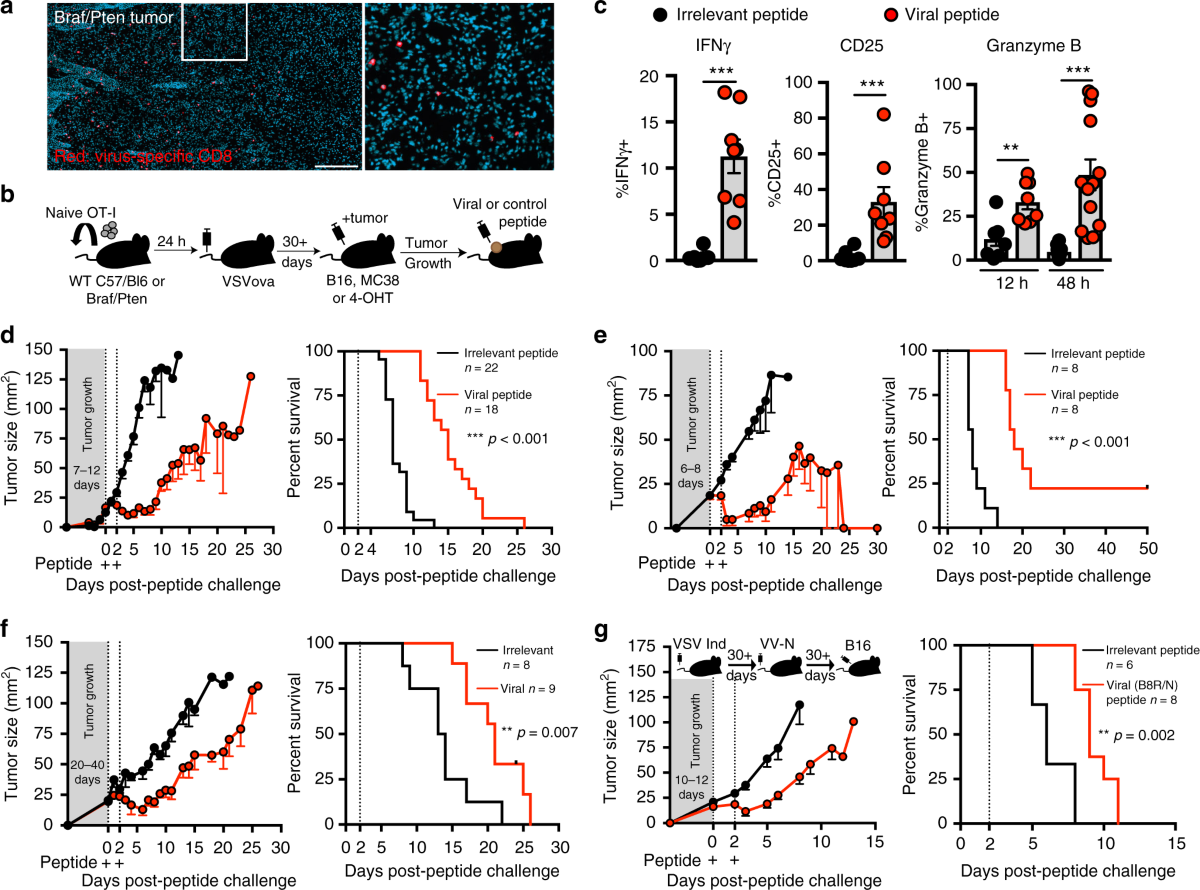
Peptide Alarm Therapy: Viral Peptides Reactivate Immune Cells in Tumors
Peptide alarm therapy (PAT) uses viral peptides to reactivate virus-specific CD8+ T memory cells within tumors, reversing immunosuppression. Research by Pamela C. Rosato and colleagues at the University of Minnesota shows PAT reduces growth of checkpoint-blockade-resistant melanoma and shows promise in glioblastoma multiforme by triggering local immune stimulation.
TIL Therapy for Melanoma: Targeting MAAs and Neoantigens
Tumor-infiltrating lymphocytes (TILs) are immune cells that migrate into the tumor microenvironment and recognize two main antigen classes: melanoma-associated antigens (MAAs) and patient-specific neoantigens. This article explains the mechanisms, key antigens like PRAME and MART-1, strategies to enrich potent TIL populations, and the translational outlook in melanoma immunotherapy.
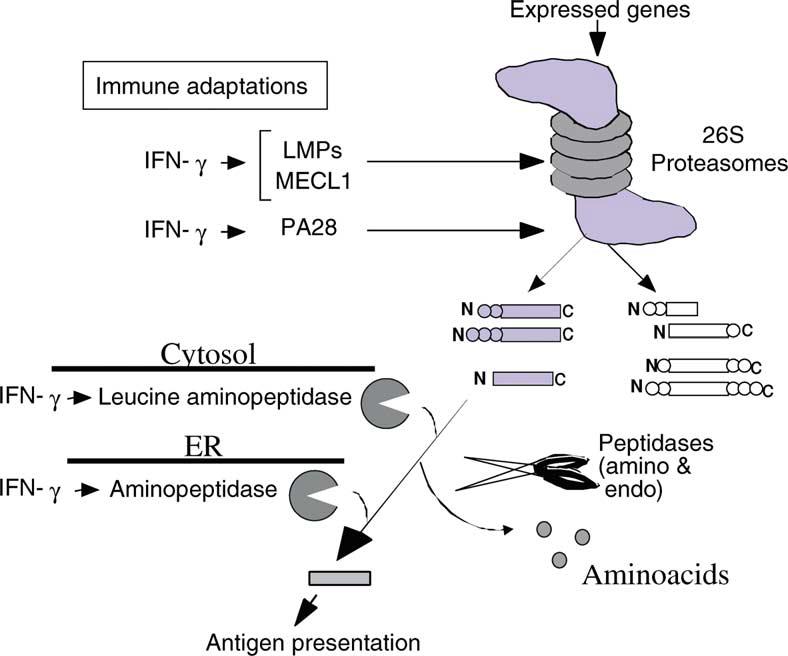
Special Antigen Peptides in Vaccines and Immunotherapy
Special antigen peptides, short amino acid chains of 5 to 50 residues, mimic protein epitopes from diseases like infections, cancers, and autoimmune conditions. They drive immune responses in vaccine development, immunotherapy, and diagnostics without causing illness. Design involves bioinformatics for epitope selection, optimization for stability, and synthesis methods like solid-phase techniques.