Key Takeaways
- •A naturally occurring molecule has been found to shield brain cells from damage, a discovery that could fundamentally change how Parkinson's disease is approached therapeutically.
- •The findings represent more than just another potential drug candidate.
- •Parkinson's disease affects approximately 10 million people worldwide, making it the second most common neurodegenerative disorder after Alzheimer's.
Brain-Protecting Peptide Discovery May Shift Parkinson’s Treatment
A naturally occurring molecule has been found to shield brain cells from damage, a discovery that could fundamentally change how Parkinson's disease is approached therapeutically. The study, reported by SciTechDaily on June 17, 2026, describes a peptide that prevents the death of neurons in laboratory models. This protective action strikes at the heart of Parkinson's pathology, where dopamine-producing neurons gradually and irreversibly die off.
The findings represent more than just another potential drug candidate. They point toward a class of treatments that could alter the course of a disease that currently has no cure and no therapy capable of slowing its progression.
The Biology of Dopamine Neuron Death
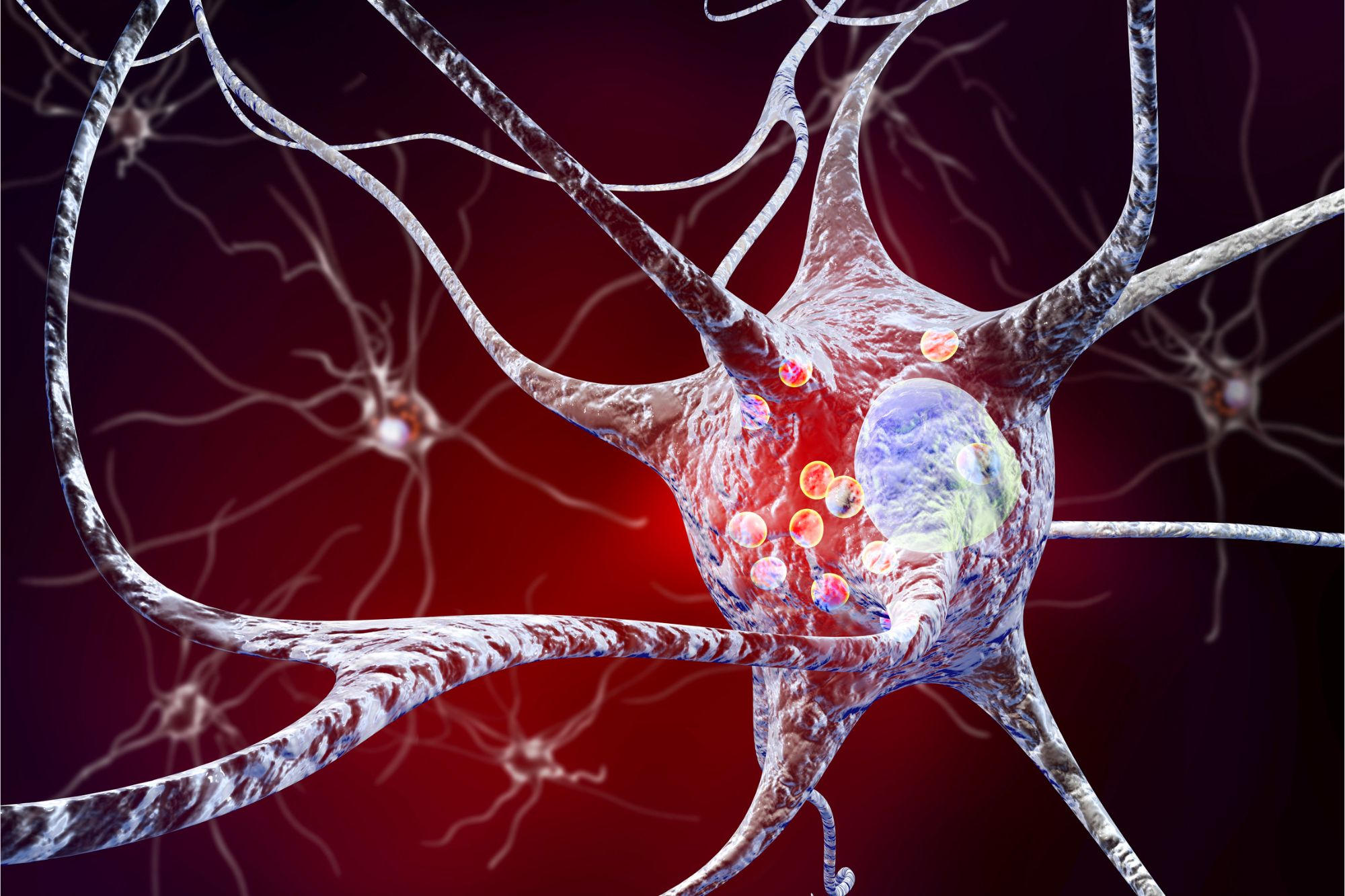
Parkinson's disease affects approximately 10 million people worldwide, making it the second most common neurodegenerative disorder after Alzheimer's. Its hallmark motor symptoms tremors, rigidity, bradykinesia, and postural instability all stem from the loss of dopamine neurons in a brain region called the substantia nigra pars compacta.
For decades, researchers have focused on understanding why these particular neurons are so vulnerable. The answer appears to involve a protein called alpha-synuclein. Under normal conditions, alpha-synuclein plays a role in synaptic vesicle trafficking and neurotransmitter release. But in Parkinson's patients, this protein begins to misfold and clump together, forming small toxic aggregates known as oligomers.
These oligomers spread from cell to cell, triggering oxidative stress, mitochondrial dysfunction, and inflammation. They also interfere with the cell's protein degradation machinery, creating a vicious cycle where more toxic proteins accumulate. Over time, this cascade overwhelms the neuron's defenses and triggers programmed cell death.
The newly identified peptide works by interfering directly with this process. By blocking alpha-synuclein aggregation at an early stage, the peptide helps maintain normal cell function and survival. The researchers observed that treated neurons remained healthy longer than untreated ones under conditions that normally trigger cell death.
How the Peptide Interferes with Toxic Aggregation
The specific mechanism by which the peptide blocks alpha-synuclein clumping is critical to understanding its therapeutic potential. Alpha-synuclein aggregation follows a predictable sequence. First, individual protein monomers misfold into a beta-sheet rich conformation. These misfolded monomers then nucleate into small oligomers, which eventually elongate into larger fibrils that deposit as Lewy bodies, the pathological hallmark of Parkinson's.
The peptide appears to act at the nucleation stage, preventing monomers from coming together to form toxic oligomers. This is similar in concept to how some anti-amyloid antibodies work in Alzheimer's research, but with an important difference. The peptide is a naturally occurring molecule, which may reduce the risk of immune reactions and other side effects that can complicate antibody-based therapies.
Researchers tested the peptide's effects using cell culture models that replicate the toxic environment seen in Parkinson's brains. They exposed dopamine neurons to conditions that promote alpha-synuclein aggregation, including oxidative stress and the addition of preformed fibrils. In control cultures, neurons showed significant cell death within days. In cultures treated with the peptide, survival rates were markedly higher.
The scientists also examined whether the peptide could rescue neurons that had already been exposed to toxic aggregates. While early treatment provided the best protection, some benefit was observed even when the peptide was added after aggregation had begun. This temporal window of efficacy will be important for designing future clinical trials.


Why Current Treatments Fall Short
Current Parkinson's therapies are almost entirely symptomatic. Levodopa, the gold standard treatment for over 50 years, works by replenishing dopamine levels in the brain. It effectively controls motor symptoms for several years, but its efficacy wanes over time as more dopamine neurons die. Patients eventually develop motor fluctuations and dyskinesias, involuntary movements that can be as disabling as the disease itself.
Other medications, including dopamine agonists, MAO-B inhibitors, and anticholinergics, offer additional symptom control but do nothing to slow neurodegeneration. Deep brain stimulation, while highly effective for some patients, is an invasive surgical procedure that also addresses symptoms rather than causes.
The absence of disease-modifying therapies reflects the complexity of Parkinson's biology. Multiple pathways contribute to neuronal death, including mitochondrial dysfunction, oxidative stress, neuroinflammation, and protein aggregation. Targeting any single pathway may not be sufficient to halt the disease. However, preventing alpha-synuclein aggregation could have downstream effects on many of these pathways, because toxic aggregates drive multiple forms of cellular damage.
The newly identified peptide offers a fundamentally different strategy. By targeting the biological mechanisms that drive neurodegeneration, it could potentially slow or even halt disease progression. If further studies confirm these effects in humans, the peptide could become a foundation for disease-modifying treatments.
The Path Forward: Delivery, Stability, and Clinical Translation
Before the peptide can enter clinical trials, scientists must overcome several significant hurdles. The first is delivery to the brain. Peptides are large molecules that do not easily cross the blood-brain barrier, a protective layer of cells that lines the brain's blood vessels and blocks most circulating compounds from entering brain tissue.
Several strategies exist for bypassing this barrier. Intranasal delivery uses the olfactory nerve pathway to shuttle molecules directly from the nasal cavity to the brain. Conjugation to transport molecules like transferrin or insulin-like growth factor can facilitate receptor-mediated transcytosis across the barrier. Encapsulation in nanoparticles or liposomes can protect the peptide from degradation while enhancing brain uptake.
The second challenge is stability. Peptides are naturally susceptible to enzymatic degradation in the bloodstream and tissues. Researchers must modify the peptide's structure or delivery vehicle to ensure it remains intact long enough to reach its target. This may involve introducing non-natural amino acids, cyclizing the peptide to stabilize its conformation, or using slow-release formulations.
The third challenge is dosing. Researchers need to determine the optimal concentration and timing of treatment. Too little peptide may not provide sufficient protection, while too much could cause unintended side effects. The study team plans to test different formulations and delivery methods in animal models to maximize the peptide's ability to reach the brain.
The SciTechDaily report emphasizes that this is an early-stage discovery, but one with substantial promise. If successful, the peptide could offer a new class of drugs for Parkinson's, one that protects neurons rather than just alleviating symptoms. The research community is watching closely as more data emerge.
Several other peptide-based approaches for neurodegenerative diseases are in various stages of development. Some target amyloid-beta in Alzheimer's disease, while others aim to reduce tau aggregation or promote neurotrophic factor signaling. The success of any one of these programs could open the door for peptide therapeutics across neurology.
The Parkinson's research community has learned from past disappointments. Several high-profile clinical trials for disease-modifying therapies have failed, including those targeting alpha-synuclein with antibodies and small molecules. These failures have informed the design of new studies, emphasizing the importance of patient selection, biomarker development, and appropriate outcome measures.
If the peptide advances to human testing, researchers will need to identify patients in the earliest stages of Parkinson's, before significant neuronal loss has occurred. This may require the use of imaging biomarkers like dopamine transporter SPECT scans or alpha-synuclein seed amplification assays in cerebrospinal fluid. Early intervention could maximize the peptide's protective effects.
Frequently Asked Questions
Q: How does this peptide differ from existing Parkinson's treatments?
A: Current therapies primarily manage motor symptoms like tremors and stiffness by replacing dopamine or mimicking its effects. This peptide targets the underlying disease mechanism by preventing alpha-synuclein from forming toxic aggregates. If successful, it could slow or halt neurodegeneration rather than just treating symptoms.
Q: When could this peptide be available for patients?
A: The discovery is at an early preclinical stage. Researchers must first conduct animal studies to verify safety and efficacy, then proceed through multiple phases of clinical trials. Even under accelerated development, a therapy based on this peptide would likely be several years away from clinical use.
Q: How would the peptide be delivered to the brain?
A: Peptides do not easily cross the blood-brain barrier, so special delivery methods will be needed. Scientists are exploring intranasal administration, conjugation to transport molecules, and encapsulation in nanoparticles. The study team is actively testing different formulations in animal models.
Q: Could this peptide work for other neurodegenerative diseases?
A: Alpha-synuclein aggregation is central to Parkinson's, but similar protein misfolding occurs in other conditions like dementia with Lewy bodies and multiple system atrophy. If the peptide effectively blocks alpha-synuclein clumping, it might have applications beyond Parkinson's, though this would require separate studies.


