Key Takeaways
- •South Korean health authorities are preparing to flag the GLP-1 drugs Wegovy and Mounjaro for potential abuse, according to a report from KED Global.
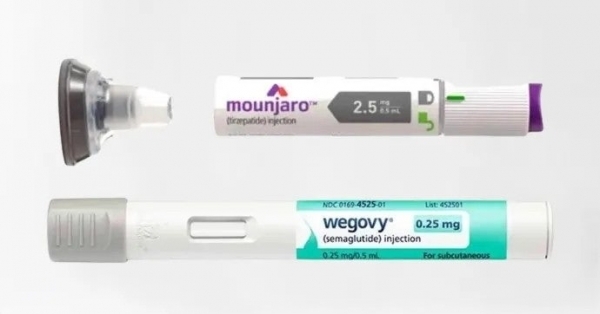
- •The move targets two of the most prominent drugs in the GLP-1 receptor agonist class: Wegovy, made by Novo Nordisk, and Mounjaro, made by Eli Lilly.
- •The sales surge in South Korea has been notable, with both drugs experiencing rapid uptake among patients.
South Korea to Flag Wegovy, Mounjaro for Abuse
South Korean health authorities are preparing to flag the GLP-1 drugs Wegovy and Mounjaro for potential abuse, according to a report from KED Global. The decision comes as sales of these medications have surged in the country, raising concerns about misuse and diversion.
The move targets two of the most prominent drugs in the GLP-1 receptor agonist class: Wegovy, made by Novo Nordisk, and Mounjaro, made by Eli Lilly. Both have seen significant demand in South Korea, driven by their effectiveness in weight management and diabetes control.
Surge in Sales Raises Red Flags
The sales surge in South Korea has been notable, with both drugs experiencing rapid uptake among patients. This growth has prompted regulators to consider new measures to monitor and control their distribution, particularly to prevent off-label use and potential abuse.
While the exact details of the flagging process have not been fully disclosed, it is expected to involve increased scrutiny of prescriptions and dispensing patterns. Health officials are likely to track prescribing practices more closely to identify any unusual trends that might indicate misuse.
Concerns Over Abuse and Diversion
Abuse of GLP-1 drugs can take several forms, including use without a medical need, overuse, or diversion to individuals who are not prescribed the medication. The surge in sales has made these drugs more accessible, and authorities are worried that some individuals may be obtaining them through inappropriate channels.
The flagging system is designed to alert healthcare providers and pharmacists to potential red flags, such as frequent prescriptions, high doses, or multiple prescribers for the same patient. This could help curb abuse while still allowing legitimate patients to access the medications they need.
Regulatory Response in South Korea
South Korea's regulatory response reflects a broader global trend of tightening oversight on GLP-1 drugs. As these medications become more popular, health systems around the world are grappling with how to balance access with safety.
The flagging of Wegovy and Mounjaro is a proactive step by South Korean authorities to address potential issues before they escalate. By monitoring sales and prescription data, they hope to identify and mitigate any signs of abuse early.


What This Means for Patients and Providers
For patients, the flagging system is unlikely to affect those who have legitimate medical needs for these drugs. Prescriptions will continue to be filled, but with additional oversight to ensure they are appropriate.
Healthcare providers may need to be more vigilant in documenting the medical necessity of each prescription. They may also face questions from pharmacists about their prescribing practices, particularly if they prescribe these drugs frequently or in high doses.
Industry and Market Implications
The surge in sales of Wegovy and Mounjaro has been a boon for their manufacturers, but the regulatory scrutiny could introduce new challenges. Companies may need to work closely with regulators to ensure their marketing and distribution practices align with safety requirements.
Investors and market analysts will be watching closely to see how the flagging system affects sales in South Korea. While the immediate impact may be limited, sustained regulatory pressure could influence future growth in the region.
Conclusion
South Korea's decision to flag Wegovy and Mounjaro for abuse is a response to the rapid increase in sales of these GLP-1 drugs. The move aims to protect patients and ensure these medications are used appropriately, while still allowing access for those who need them. As sales continue to surge, regulators will likely remain vigilant in monitoring their use.
Frequently Asked Questions
Q: What does it mean to "flag" a drug for abuse?
A: Flagging a drug for abuse means that health authorities will increase monitoring and scrutiny of its prescription and dispensing patterns to detect and prevent misuse, overuse, or diversion. This can include tracking prescribing practices and identifying potential red flags such as frequent prescriptions or high doses.
Q: Will patients with legitimate prescriptions be affected by the flagging?
A: No, patients with legitimate medical needs should not be affected. The flagging system is designed to identify potential abuse, not to restrict access for those who have valid prescriptions. However, healthcare providers may need to document medical necessity more thoroughly.
Q: Why are Wegovy and Mounjaro being flagged specifically?
A: Wegovy and Mounjaro are being flagged because they have seen a significant surge in sales in South Korea, raising concerns about potential abuse. Both are GLP-1 receptor agonists used for weight management and diabetes control, and their popularity has increased the risk of misuse.
Q: How will the flagging system work in practice?
A: The flagging system is expected to involve increased monitoring of prescription and dispensing data. Health authorities may track prescribing patterns, and pharmacists may be alerted to potential red flags, such as multiple prescribers or unusually high doses for a single patient.
Q: Are other countries taking similar measures?
A: While the source article focuses on South Korea, it notes that the move reflects a broader global trend of tightening oversight on GLP-1 drugs. Many countries are grappling with how to balance access with safety as these medications become more popular.


