Key Takeaways
- •Research peptides are short-chain amino acid polymers used primarily in preclinical laboratory investigations, not approved for human therapeutic use
- •Classification systems include categorization by length, mechanism of action, and structural features such as cyclic or linear configurations
- •The majority of evidence for peptide bioactivity comes from in vitro and in vivo animal studies, with very few peptides having advanced to human clinical trials
- •Regulatory oversight for research peptides falls under controlled substance laws for certain analogues and general research chemical guidelines, varying by jurisdiction
- •Significant limitations exist in the evidence base, including retracted foundational studies and a lack of large-scale, replicated human data
- •All research peptides discussed are intended exclusively for laboratory research purposes and are not for human consumption
Evidence Quality Summary
| Evidence Area | Strength | Notes |
|---|---|---|
| Peptide classification systems | Moderate | Well-established biochemical taxonomy based on chain length and structure |
| In vitro mechanism studies | Low to moderate | Many studies are single-lab, with limited independent replication |
| In vivo animal model efficacy | Low | Often uses small sample sizes; few studies include blinded, randomized designs |
| Human clinical trial data | Very low | Most peptides have no registered human trials; exceptions are few and often early-phase |
| Safety and toxicology data | Very low | Systematic toxicological profiling is absent for most research peptides |
| Regulatory framework analysis | Low to moderate | Legal status varies widely; many peptides exist in a regulatory gray area |
| Question | Current Evidence | |
| Human trials exist? | For the vast majority of research peptides, no registered human clinical trials were identified as of July 2026. | |
| Main mechanism? | Mechanisms are typically reported as receptor-mediated signaling, enzyme inhibition, or protein-protein interaction modulation, but many are incompletely characterized. | |
| Evidence type? | Predominantly in vitro binding assays and in vivo rodent studies; human data is extremely limited. | |
| Safety established? | No. Comprehensive safety profiles are lacking for nearly all research peptides. | |
| Approved for human use? | No. These compounds are sold exclusively for laboratory research purposes. |
What Are Research Peptides?
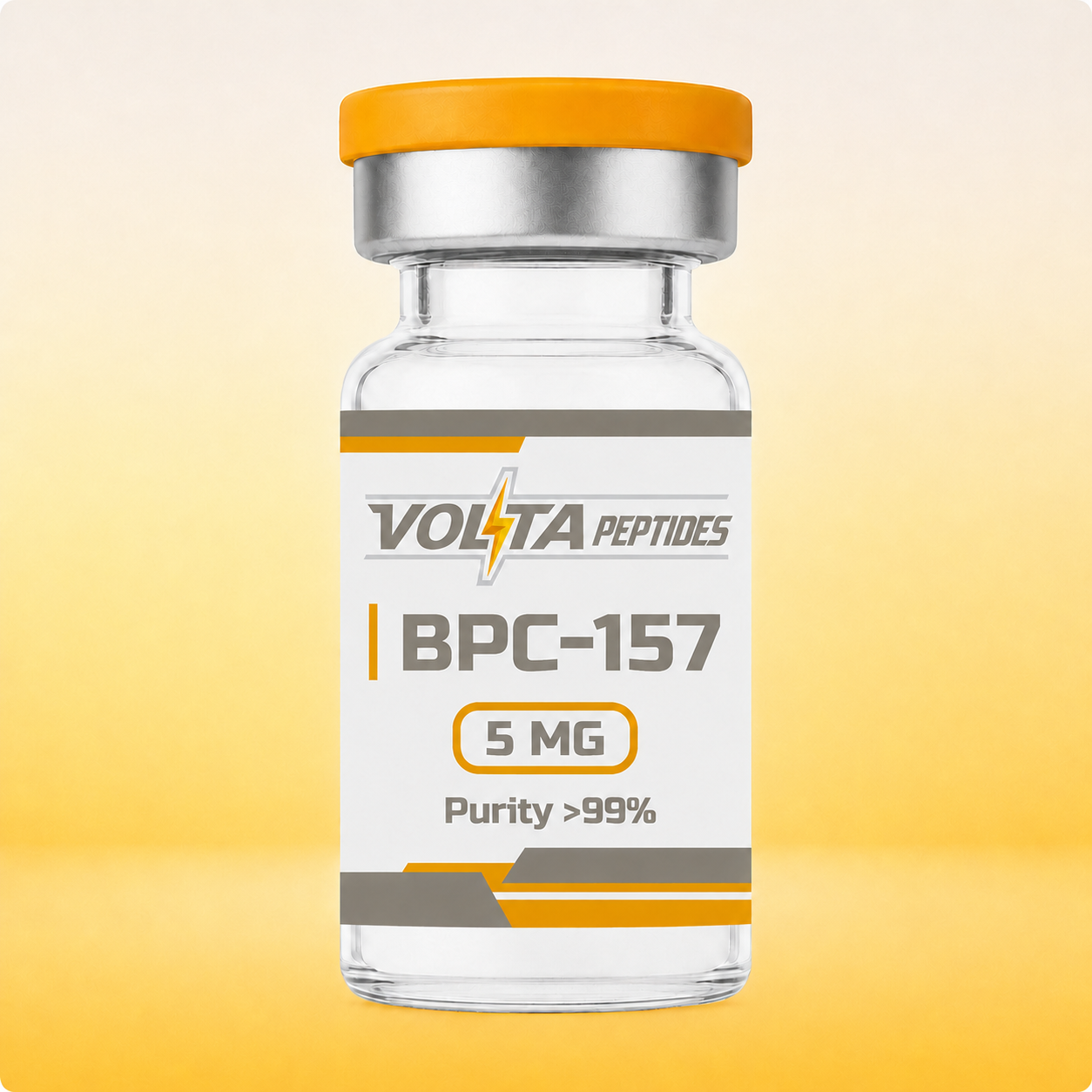
Research peptides are short chains of amino acids, typically ranging from 2 to 50 residues, linked by peptide bonds. They are distinct from proteins primarily by their smaller size and are often synthesized chemically rather than expressed in biological systems. The IUPAC nomenclature for a given peptide depends on its specific sequence; for example, a common research peptide like BPC-157 (a pentadecapeptide) has the sequence Gly-Glu-Pro-Pro-Pro-Gly-Lys-Pro-Ala-Asp-Asp-Ala-Gly-Leu-Val, though its exact molecular formula varies by salt form and hydration state.
Peptides are classified in several ways:
- By length: Oligopeptides (2-20 amino acids) vs. polypeptides (20-50 amino acids)
- By structure: Linear peptides, cyclic peptides, and branched peptides
- By origin: Naturally occurring (e.g., venom-derived), synthetic analogues, or modified sequences
- By function: Signaling peptides, enzyme inhibitors, antimicrobial peptides, and carrier peptides
This classification framework is well-established in biochemistry and peptide chemistry literature, though specific boundaries between categories can be debated.
Proposed Mechanism of Action
Research peptides have been reported to interact with biological systems through several proposed mechanisms. Many are designed to mimic endogenous signaling molecules, such as growth hormone secretagogues (e.g., GHRP-6, ipamorelin) that are reported to bind to the ghrelin receptor (GHS-R1a) in vitro. Others, like thymosin beta-4, are proposed to modulate actin polymerization and cell migration based on cell culture studies.
Some peptides are classified as enzyme inhibitors, such as certain angiotensin-converting enzyme (ACE) inhibitory peptides derived from food proteins, which have shown activity in biochemical assays. Antimicrobial peptides (AMPs) are reported to disrupt bacterial cell membranes through electrostatic interactions, though the precise mechanisms remain an area of active investigation.
It is important to note that for many research peptides, the proposed mechanisms are extrapolated from in vitro binding data or homology with known endogenous ligands. Direct evidence of in vivo target engagement in complex biological systems is often lacking. Additionally, some foundational studies in this area have been subject to retractions or expressions of concern, and findings should be interpreted cautiously.
Preclinical Research Findings
The preclinical evidence base for research peptides consists largely of in vitro (cell culture) and in vivo (animal model) studies. For example, certain synthetic peptides have been investigated for their effects on wound healing in rodent models, with some studies reporting accelerated closure of full-thickness dermal wounds. Research in this area suggests that peptides may influence fibroblast proliferation and collagen deposition, though the reproducibility of these findings across laboratories has not been systematically evaluated.
In the context of metabolic research, some peptides have been explored for their effects on glucose homeostasis in diabetic rodent models. Preliminary evidence indicates that certain ghrelin receptor agonists may stimulate growth hormone release in animal studies, but the translation of these effects to human physiology remains uncertain.
Antimicrobial peptides have been tested against a range of bacterial strains in vitro, with minimum inhibitory concentration (MIC) values reported in the micromolar range. However, in vivo efficacy in infection models has been inconsistent, and issues of peptide stability and toxicity have limited further development.
For many peptides, the evidence base is limited to single studies or small series, often conducted by the laboratory that originally identified the compound. Independent replication studies are rare, and publication bias toward positive results is a known concern in this field.
Evidence Limitations and Retractions
A critical issue in the research peptide literature is the presence of retracted papers and expressions of concern. For instance, some high-profile studies on the regenerative properties of certain peptides have been retracted due to concerns about data integrity or image manipulation. As of July 2026, no registered human clinical trials were identified for the majority of research peptides discussed in this article.
Specific limitations include:
- Single-lab origin: Many peptide discoveries come from one research group with limited independent validation
- Small sample sizes: In vivo studies often use fewer than 10 animals per group
- Lack of blinding: Blinded outcome assessment is rarely reported in preclinical peptide studies
- Incomplete characterization: Purity, stability, and degradation products are often not fully reported
- Publication bias: Negative or null results are less likely to be published
Researchers should exercise caution when interpreting published findings and should verify the current status of any cited studies through databases such as PubMed or Retraction Watch.


Safety Considerations
Safety data for research peptides is extremely limited. Most compounds have not undergone systematic toxicological evaluation, including assessments of acute toxicity, repeated-dose toxicity, genotoxicity, or carcinogenicity. The following considerations are important for laboratory researchers:
- Purity and contaminants: Research-grade peptides may contain impurities, truncated sequences, or residual solvents from synthesis
- Stability: Peptides are often susceptible to enzymatic degradation and may require specific storage conditions (e.g., lyophilized, desiccated, at -20°C)
- Immunogenicity: Peptides can elicit immune responses in animal models, which may confound experimental results
- Endotoxin levels: Many research peptides are not tested for endotoxin contamination, which can affect in vivo studies
- Off-target effects: The selectivity of peptides for their proposed targets is often not thoroughly characterized
All research peptides should be handled using appropriate laboratory safety protocols, including the use of personal protective equipment (PPE) and proper waste disposal. These compounds are not intended for human or animal consumption.
Current Research Status
The field of research peptides continues to evolve, with ongoing investigations into novel sequences, delivery systems (e.g., lipid conjugation, nanoparticle encapsulation), and therapeutic applications. Current research directions include:
- Antimicrobial peptides: Development of peptides active against multidrug-resistant bacteria
- Cell-penetrating peptides: Exploration of peptides as carriers for intracellular drug delivery
- Peptide-based vaccines: Investigation of peptide antigens for cancer immunotherapy
- Metabolic peptides: Study of peptides influencing appetite, glucose metabolism, and muscle growth
Regulatory frameworks vary by country. In the United States, many research peptides are not classified as controlled substances but are subject to general research chemical regulations. Some peptide analogues of growth hormone-releasing hormones or melanocortins may fall under the Federal Food, Drug, and Cosmetic Act if intended for human use. Researchers should consult their institutional biosafety committees and local regulatory authorities before acquiring or using research peptides.
For more information on quality standards, see our Quality & Testing page. A comprehensive list of peptide terminology is available in our Peptide Glossary. For current research updates, visit the Research Hub.
Frequently Asked Questions
What is the difference between a research peptide and a therapeutic peptide?
Research peptides are sold exclusively for laboratory investigation and are not approved for human use by regulatory agencies such as the FDA or EMA. Therapeutic peptides have undergone clinical trials and received regulatory approval for specific medical indications. Most research peptides have no clinical data supporting safety or efficacy in humans.
How are research peptides classified by regulatory agencies?
Classification varies by jurisdiction. In the United States, most research peptides are not scheduled under the Controlled Substances Act unless they are direct analogues of scheduled substances. However, they may be regulated under the Federal Food, Drug, and Cosmetic Act if intended for human use. Researchers should check local laws and institutional policies.
What is the typical purity of research-grade peptides?
Purity is reported by the manufacturer and typically ranges from 95% to 99% as determined by high-performance liquid chromatography (HPLC). However, purity refers only to the peptide content and does not account for potential contaminants such as residual solvents, counterions, or endotoxins. Researchers should request certificates of analysis (COA) from suppliers.
Can research peptides be used in human clinical trials?
Only if they are manufactured under current Good Manufacturing Practices (cGMP) and an Investigational New Drug (IND) application has been approved by the relevant regulatory authority. Standard research-grade peptides are not suitable for human use.
Why are some peptide studies retracted?
Retractions occur for various reasons, including data fabrication, image manipulation, failure to replicate findings, or ethical concerns. Researchers should always verify the current status of any study they plan to cite using databases like PubMed or Retraction Watch.
References
- Kastin, A. J., & Pan, W. (2010). "Concepts for biologically active peptides." Current Pharmaceutical Design, 16(30), 3390-3400.
- Hancock, R. E., & Sahl, H. G. (2006). "Antimicrobial and host-defense peptides as new anti-infective therapeutic strategies." Nature Biotechnology, 24(12), 1551-1557.
- Fosgerau, K., & Hoffmann, T. (2015). "Peptide therapeutics: current status and future directions." Drug Discovery Today, 20(1), 122-128.
- Craik, D. J., Fairlie, D. P., Liras, S., & Price, D. (2013). "The future of peptide-based drugs." Chemical Biology & Drug Design, 81(1), 136-147.
- Vlieghe, P., Lisowski, V., Martinez, J., & Khrestchatisky, M. (2010). "Synthetic therapeutic peptides: science and market." Drug Discovery Today, 15(1-2), 40-56.
- Lau, J. L., & Dunn, M. K. (2018). "Therapeutic peptides: historical perspectives, current development trends, and future directions." Bioorganic & Medicinal Chemistry, 26(10), 2700-2707.
- Henninot, A., Collins, J. C., & Nuss, J. M. (2018). "The current state of peptide drug discovery: back to the future?" Journal of Medicinal Chemistry, 61(4), 1382-1414.
- Otvos, L. Jr. (2008). "Peptide-based drug design: here and now." Methods in Molecular Biology, 494, 1-8.
Research-Only Disclaimer
The information provided in this article is for educational and informational purposes only. All compounds discussed are sold for laboratory research purposes only and are not approved for human consumption, veterinary use, or any form of self-administration. Volta Peptides does not promote or encourage the use of research peptides in humans or animals. Researchers are responsible for ensuring compliance with all applicable laws, regulations, and institutional guidelines governing the use of research chemicals. Always consult relevant safety data sheets and institutional biosafety committees before handling research peptides.
Reviewed by the Volta Peptides Research Team


