Key Takeaways
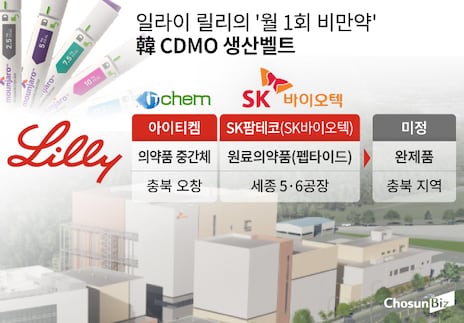
- •Eli Lilly is expanding its obesity drug production network in South Korea, according to a report from ChosunBiz.
- •SK is increasing its output of active pharmaceutical ingredients, or APIs, for the program.
- •The report, published on August 3, 2026, highlights how Lilly is working with local partners to secure manufacturing capacity.
Lilly Strengthens Korea Manufacturing Footprint
Eli Lilly is expanding its obesity drug production network in South Korea, according to a report from ChosunBiz. The company is building what it describes as a drug manufacturing belt in the country, with two key partners playing central roles in the effort.
SK is increasing its output of active pharmaceutical ingredients, or APIs, for the program. At the same time, Peptron is preparing to handle dose formulation and filling. Together, these steps are designed to support the supply of obesity treatments in the region.
The report, published on August 3, 2026, highlights how Lilly is working with local partners to secure manufacturing capacity. The initiative comes as demand for obesity drugs continues to rise globally.
SK Boosts API Production
SK is ramping up its production of active pharmaceutical ingredients as part of the collaboration with Lilly. The company is increasing its capacity to supply the key components needed for obesity drug manufacturing.
APIs are the biologically active ingredients in a drug that produce the intended effect. By boosting API output, SK is positioning itself as a critical supplier in Lilly's Korea-based supply chain.
The report did not specify the exact volume of API production or the timeline for the increase. However, the move signals a significant commitment to supporting Lilly's obesity drug portfolio in the region.
Peptron Prepares Dose Filling
Peptron, another Korean partner, is preparing to take on dose preparation and filling responsibilities. This step is essential for turning APIs into finished drug products ready for patient use.
Dose filling involves placing the drug into vials, syringes, or other delivery devices under sterile conditions. Peptron's readiness to perform this function adds another layer of manufacturing capability to Lilly's Korea operations.
The report indicates that Peptron is at the stage of preparing its facilities and processes for this role. The company's involvement completes the manufacturing chain from raw ingredients to finished doses.


Building a Regional Supply Belt
The concept of a drug manufacturing belt in Korea suggests a coordinated network of facilities and partners. Lilly appears to be leveraging local expertise to create a streamlined supply chain for obesity drugs.
This approach could help reduce reliance on single manufacturing sites and improve resilience in the supply chain. By working with multiple partners, Lilly can better manage production risks and meet demand fluctuations.
The report does not provide details on the specific obesity drugs involved or the expected production capacity. However, the focus on Korea indicates the country's growing importance in global pharmaceutical manufacturing.
Implications for Obesity Drug Supply
The expansion in Korea comes at a time when obesity drugs are in high demand worldwide. Manufacturers are investing heavily to increase supply and ensure consistent availability.
Lilly's moves in Korea are part of a broader strategy to strengthen its manufacturing network. The company has been expanding production capacity in various countries to keep pace with demand for its weight-loss treatments.
The report from ChosunBiz does not include specific dates for when the new capacity will come online. It also does not mention which specific products will be manufactured at these facilities.
Looking Ahead
As Lilly builds out its Korea operations, the company is likely to continue working with local partners to improve its supply chain. The collaboration with SK and Peptron represents a significant step in that direction.
The report is based on information available as of August 3, 2026. Further details may emerge as the manufacturing belt takes shape and production begins.
For now, the focus remains on building the necessary infrastructure to support obesity drug supply in the region. The involvement of SK and Peptron highlights the importance of partnerships in pharmaceutical manufacturing.
Frequently Asked Questions
Q: What is Eli Lilly doing in Korea?
A: Eli Lilly is building an obesity drug manufacturing belt in Korea. The company is working with SK to boost active pharmaceutical ingredient production and with Peptron to prepare dose filling capabilities.
Q: What role does SK play in this initiative?
A: SK is increasing its production of active pharmaceutical ingredients, or APIs, which are the key components needed to manufacture obesity drugs. This helps ensure a steady supply of raw materials for the manufacturing process.
Q: What is Peptron's role?
A: Peptron is preparing to handle dose preparation and filling. This involves placing the finished drug into vials or other delivery devices, completing the manufacturing process from raw ingredients to patient-ready doses.
Q: Why is Lilly expanding in Korea?
A: The expansion is part of Lilly's broader strategy to strengthen its manufacturing network for obesity drugs. By building a supply belt in Korea, Lilly aims to improve production capacity and resilience in the supply chain.
Q: When will the new manufacturing capacity be operational?
A: The report does not specify exact timelines for when the new capacity will come online. It only indicates that SK is boosting API production and Peptron is preparing its dose filling operations.


