Key Takeaways
- •Eli Lilly, a major pharmaceutical company, has announced it is taking aim at the illicit market for its experimental weight-loss drug.
- •The experimental drug, which has been the subject of significant public interest, is not yet legally available to consumers.
- •The market for weight-loss drugs has expanded rapidly in recent years, driven by rising obesity rates and increased awareness of related health risks.
Eli Lilly's Action Against Illicit Sales
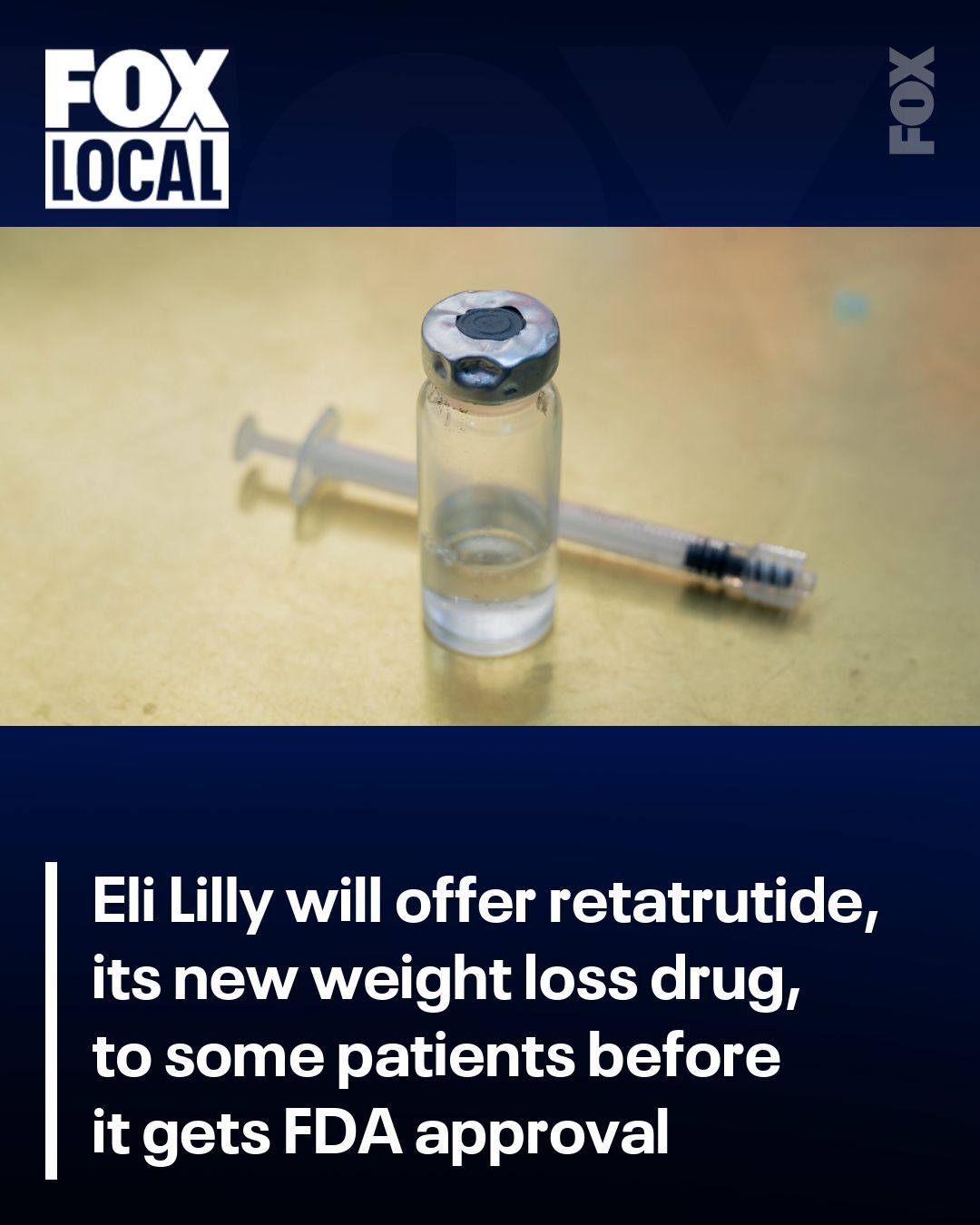
Eli Lilly, a major pharmaceutical company, has announced it is taking aim at the illicit market for its experimental weight-loss drug. The company is reportedly concerned about unauthorized distribution and sales of the medication, which has not yet received regulatory approval. This action highlights the growing demand for weight-loss treatments and the challenges posed by black-market alternatives.
The experimental drug, which has been the subject of significant public interest, is not yet legally available to consumers. Despite this, reports indicate that the product has been appearing on the black market, prompting Eli Lilly to intervene. The company's efforts are focused on curbing these illegal sales and protecting patient safety.
The Growing Demand for Weight-Loss Medications
The market for weight-loss drugs has expanded rapidly in recent years, driven by rising obesity rates and increased awareness of related health risks. Eli Lilly's experimental drug is part of a new class of treatments that have shown promising results in clinical trials. However, the high demand has also created opportunities for counterfeiters and unauthorized sellers.
According to the source, Eli Lilly's move is a direct response to this illicit activity. The company has not disclosed specific details about the methods it will use to combat the black market, but such actions typically involve legal measures, increased monitoring, and collaboration with regulatory authorities. The goal is to ensure that only safe, approved versions of the drug reach patients.
The Risks of Black-Market Drugs
Black-market medications pose significant risks to consumers, including the potential for counterfeit products, incorrect dosages, and contamination. In the case of Eli Lilly's experimental drug, these risks are particularly acute because the drug has not been approved for public use. Patients who obtain the drug illegally may be unknowingly putting their health in jeopardy.
The company has emphasized the importance of obtaining medications through legitimate channels, such as licensed pharmacies and clinical trials. By targeting the illicit market, Eli Lilly aims to reduce these dangers and maintain the integrity of its drug development process. The source notes that this is a proactive measure to address a growing problem.


Regulatory and Legal Implications
Eli Lilly's actions may also have broader implications for the pharmaceutical industry. The illicit sale of experimental drugs is a concern for many companies, as it can undermine clinical trials and regulatory processes. By taking a firm stance, Eli Lilly is setting a precedent for how other firms might respond to similar situations.
Legal experts suggest that the company could pursue civil litigation against sellers, as well as work with law enforcement to shut down illegal operations. Additionally, Eli Lilly may increase its efforts to educate the public about the dangers of purchasing unapproved drugs. These steps are intended to deter future black-market activity and protect the company's reputation.
The Future of the Experimental Drug
While the illicit market poses challenges, Eli Lilly remains committed to advancing its experimental weight-loss drug through the necessary regulatory approvals. The company has not provided a timeline for when the drug might become available to the public, but ongoing clinical trials continue to evaluate its safety and efficacy. If approved, the drug could become a significant player in the weight-loss market.
In the meantime, Eli Lilly's crackdown on illegal sales serves as a reminder of the importance of following proper channels for medication access. Patients are encouraged to consult with healthcare providers and participate in legitimate clinical trials if they are interested in experimental treatments. The company's efforts are focused on ensuring that any future distribution of the drug is safe, legal, and effective.
Industry Response and Public Awareness
The pharmaceutical industry is closely watching Eli Lilly's response to the black market. Some experts believe that other companies with similar drugs may follow suit, implementing their own measures to combat unauthorized sales. Public awareness campaigns could also play a role in reducing demand for illicit products, as consumers become more informed about the risks.
Eli Lilly's move is a clear signal that the company is serious about protecting its intellectual property and patient safety. While the full impact of these efforts remains to be seen, the company's proactive approach is likely to be welcomed by regulators and healthcare professionals. The source indicates that this is a developing story, with more details expected to emerge in the coming weeks.
Conclusion
Eli Lilly's decision to target the illicit market for its experimental weight-loss drug highlights the complexities of managing high-demand pharmaceuticals. The company is taking steps to address illegal sales, mitigate risks to consumers, and uphold regulatory standards. As the situation evolves, the industry will be watching to see how these efforts unfold and what they mean for the future of weight-loss treatments.
For now, the focus remains on ensuring that the drug, if approved, is distributed safely and legally. Eli Lilly's actions serve as a cautionary tale about the dangers of black-market medications and the importance of adhering to established protocols. The company's commitment to patient safety is evident in its response to this challenge.


