Key Takeaways
- •Hanmi Pharmaceutical is gearing up to introduce Eppe, a GLP-1 receptor agonist developed entirely in South Korea, according to a report from Chosunbiz.
- •Eppe represents a significant milestone for South Korea's pharmaceutical industry, as it is a homegrown product in a therapeutic class that has seen explosive global demand.
- •The report highlights that Hanmi's entry into the GLP-1 arena is not just a commercial venture but also a strategic move to establish South Korea as a competitive player in the global biopharmaceutical landscape.
Hanmi's Eppe Aims to Disrupt the GLP-1 Market
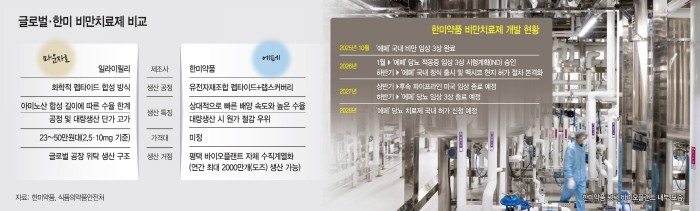
Hanmi Pharmaceutical is gearing up to introduce Eppe, a GLP-1 receptor agonist developed entirely in South Korea, according to a report from Chosunbiz. The move positions Hanmi to directly challenge the dominant players in the obesity and diabetes space, specifically Novo Nordisk's Wegovy and Eli Lilly's Mounjaro. The company's strategy centers on aggressive pricing, leveraging local manufacturing to undercut the established brands.
Eppe represents a significant milestone for South Korea's pharmaceutical industry, as it is a homegrown product in a therapeutic class that has seen explosive global demand. By offering a more affordable alternative, Hanmi aims to capture market share in a segment currently dominated by two multinational giants. The pricing pressure is expected to be a key differentiator in a market where treatment costs remain a major barrier for many patients.
The report highlights that Hanmi's entry into the GLP-1 arena is not just a commercial venture but also a strategic move to establish South Korea as a competitive player in the global biopharmaceutical landscape. The company's ability to produce Eppe domestically is seen as a critical advantage, potentially lowering production costs and allowing for more flexible pricing strategies.
The Competitive Landscape: Wegovy and Mounjaro
Wegovy, developed by Novo Nordisk, and Mounjaro, from Eli Lilly, have become household names in the treatment of obesity and type 2 diabetes. Both drugs have seen rare demand, often leading to supply shortages. Hanmi's Eppe enters this market with a clear value proposition: similar efficacy at a lower price point.
The pressure on price is particularly notable given the high out-of-pocket costs associated with these medications in many markets. While insurance coverage varies, a significant number of patients pay substantial amounts for these treatments. Hanmi's strategy could force competitors to reconsider their pricing structures, potentially benefiting consumers worldwide.
However, the GLP-1 market is not easily penetrated. Regulatory hurdles, clinical trial requirements, and the need for extensive marketing and distribution networks are significant barriers. Hanmi will need to demonstrate that Eppe is not only cheaper but also clinically comparable to the established products to gain physician and patient trust.
South Korea's Pharmaceutical Ambitions
Hanmi's move is part of a broader trend of South Korean pharmaceutical companies seeking to expand their global footprint. The country has invested heavily in biotech research and development, and Eppe could serve as a flagship product to showcase these capabilities. The development of a homegrown GLP-1 drug is a point of national pride and a testament to the country's growing expertise in complex biologics.
The Korean government has also been supportive of the biotech sector, offering incentives for research and development. This supportive environment has enabled companies like Hanmi to take on ambitious projects. Eppe's development is a clear example of how Korean firms are moving beyond generics and biosimilars to innovate in novel therapeutic areas.


Pricing Strategy and Market Impact
The core of Hanmi's strategy is price. By producing Eppe in South Korea, the company can avoid some of the costs associated with overseas manufacturing, such as shipping and tariffs. This cost advantage can be passed on to consumers, making Eppe a more accessible option for those who cannot afford Wegovy or Mounjaro.
Industry analysts will be watching closely to see how Novo Nordisk and Eli Lilly respond. If Hanmi successfully undercuts them, it could trigger a price war in the GLP-1 segment, which would be a welcome development for patients and healthcare systems burdened by high drug costs. On the other hand, the incumbents may choose to compete on other factors, such as brand loyalty, delivery devices, or additional indications.
The success of Eppe will also depend on Hanmi's ability to secure regulatory approvals in key markets, including the United States and Europe. The company will need to conduct rigorous clinical trials to prove Eppe's safety and efficacy, a process that can take years. However, if successful, the payoff could be substantial, both financially and strategically.
What This Means for Patients
For patients, the arrival of a more affordable GLP-1 drug could be life-changing. Obesity and type 2 diabetes are chronic conditions that require long-term management, and the cost of medication is a significant factor in adherence. A cheaper alternative could improve access to these treatments, leading to better health outcomes for millions of people.
also, the competition may spur further innovation in the field, as companies strive to differentiate their products. This could lead to improvements in efficacy, convenience, and side effect profiles. Ultimately, patients stand to benefit from a more competitive market.
The Road Ahead
Hanmi's Eppe is still in the pre-launch phase, and there are many steps before it reaches patients. The company must navigate the complex regulatory landscape, secure reimbursement agreements, and build a commercial infrastructure. However, the potential rewards are immense, and the company appears committed to seeing the project through.
The global GLP-1 market is expected to continue growing, driven by rising obesity rates and increased awareness of the benefits of these drugs. Hanmi's entry could accelerate this growth by making treatments more affordable. It also signals a shift in the industry, with new players challenging the dominance of established pharmaceutical giants.
In conclusion, Hanmi's Eppe represents a bold move that could reshape the GLP-1 market. By focusing on price and leveraging domestic production, the company is positioning itself as a viable alternative to Wegovy and Mounjaro. While challenges remain, the potential impact on patients and the industry is significant. As the story develops, all eyes will be on Hanmi to see if it can deliver on its promise.


