
Key Takeaways
- •A peptide is fundamentally a chain of amino acids that closely resembles, yet is distinct from, a protein.
- •Amino acids represent biologically significant molecules, though not all known variants are utilized by living organisms.
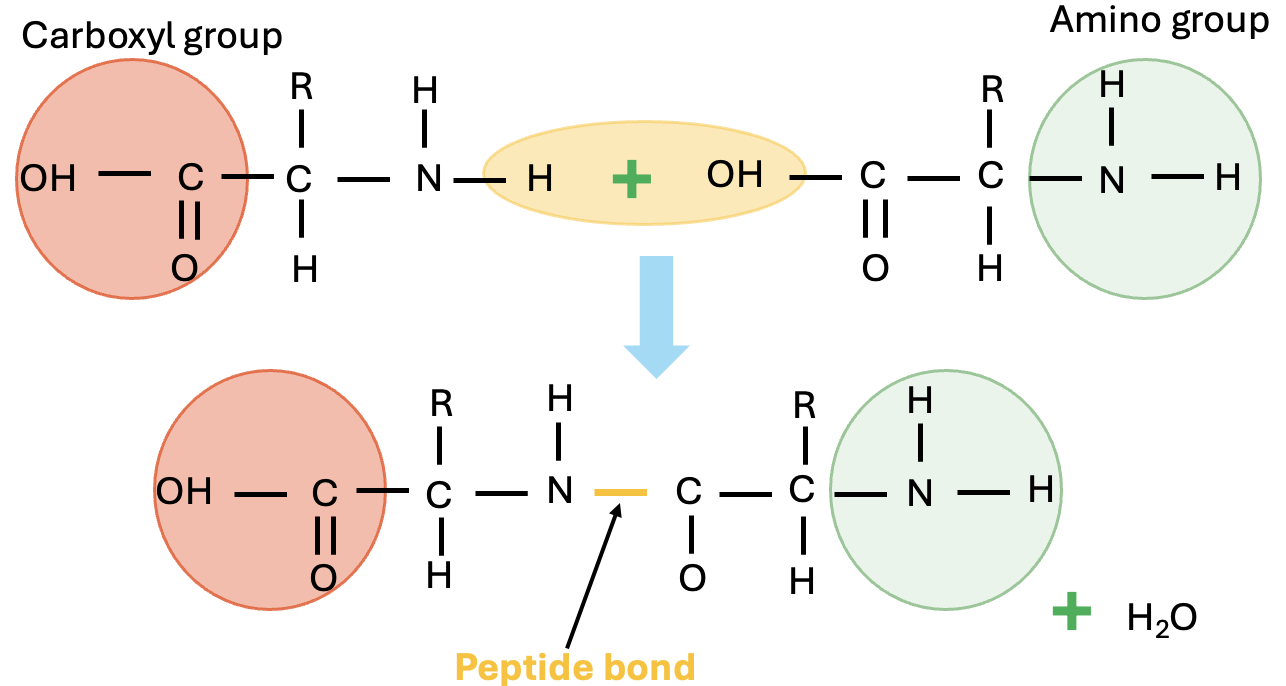
- •Each amino acid is characterized by two specific chemical moieties: an amine group and a carboxylic acid group, positioned at opposite ends of the molecule.
Introduction to Peptides
A peptide is fundamentally a chain of amino acids that closely resembles, yet is distinct from, a protein. To fully appreciate what defines a peptide and how it diverges from a protein, one must first establish a clear understanding of the amino acid building blocks that compose it.
What Are Amino Acids?
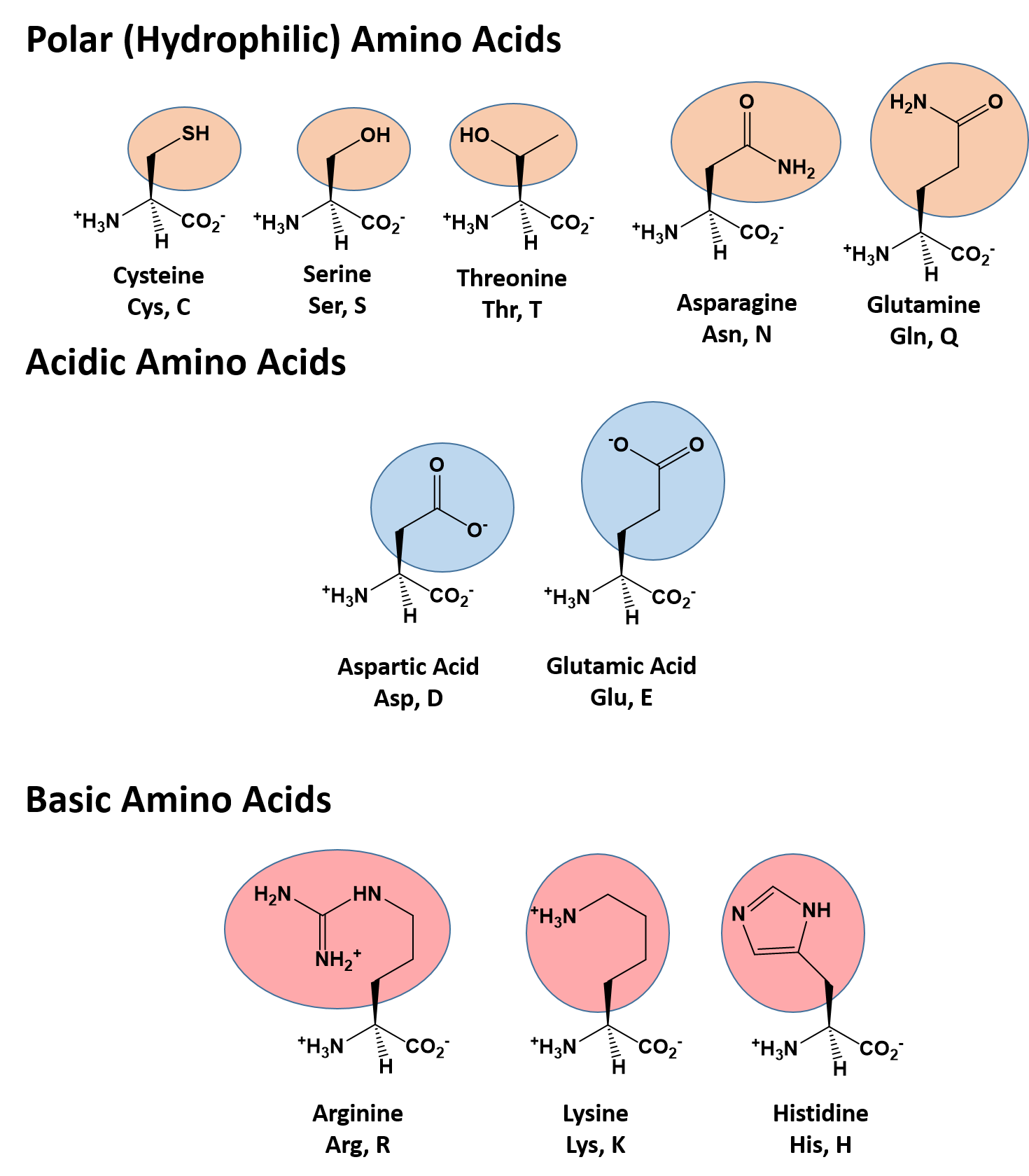
Amino acids represent biologically significant molecules, though not all known variants are utilized by living organisms. Research indicates that the human body relies on only 20 distinct amino acids to sustain normal physiological function—a pattern shared by nearly all terrestrial life. Remarkably, while approximately 500 different amino acids have been identified in nature to date, the vast majority are not incorporated into biological systems.
Each amino acid is characterized by two specific chemical moieties: an amine group and a carboxylic acid group, positioned at opposite ends of the molecule. These functional groups confer a common set of biochemical properties and fundamentally dictate how amino acids interact with one another and with surrounding molecules. Studies show that this dual-terminal architecture enables the formation of peptide bonds through condensation reactions, which link amino acids into linear chains of varying lengths.


Distinguishing Peptides from Proteins
In research contexts, the distinction between peptides and proteins is primarily a matter of chain length. While no universally accepted cutoff exists, peptides are generally defined as shorter chains—typically containing fewer than 50 amino acid residues—whereas proteins consist of longer polypeptide chains that often fold into complex three-dimensional structures. This size difference has functional implications: shorter peptides frequently exhibit higher bioavailability and more rapid clearance in experimental models, making them valuable tools for targeted investigation.
Research Implications
Understanding the fundamental chemistry of amino acids and peptide bonding is essential for interpreting studies involving synthetic or naturally occurring peptides. Current research continues to explore how modifications to amino acid sequences can alter receptor binding affinity, stability, and bioactivity. For investigators working with peptide-based compounds, awareness of these molecular foundations is critical for designing experiments that yield reproducible and meaningful data.
Reviewed by the Volta Peptides Research Team


