
Key Takeaways
- •Magnesium has long been recognized as a critical mineral for human health, yet many individuals fail to meet their daily requirements through diet alone.
- •Magnesium is an essential cofactor in over 300 enzymatic reactions in the human body, many of which are directly tied to muscle function.
- •Research indicates that magnesium supplementation can reduce serum creatine kinase levels following intense physical activity, suggesting a mitigating effect on exercise-induced muscle damage.
Magnesium Bisglycinate: Understanding Its Role in Muscle Recovery and Relaxation
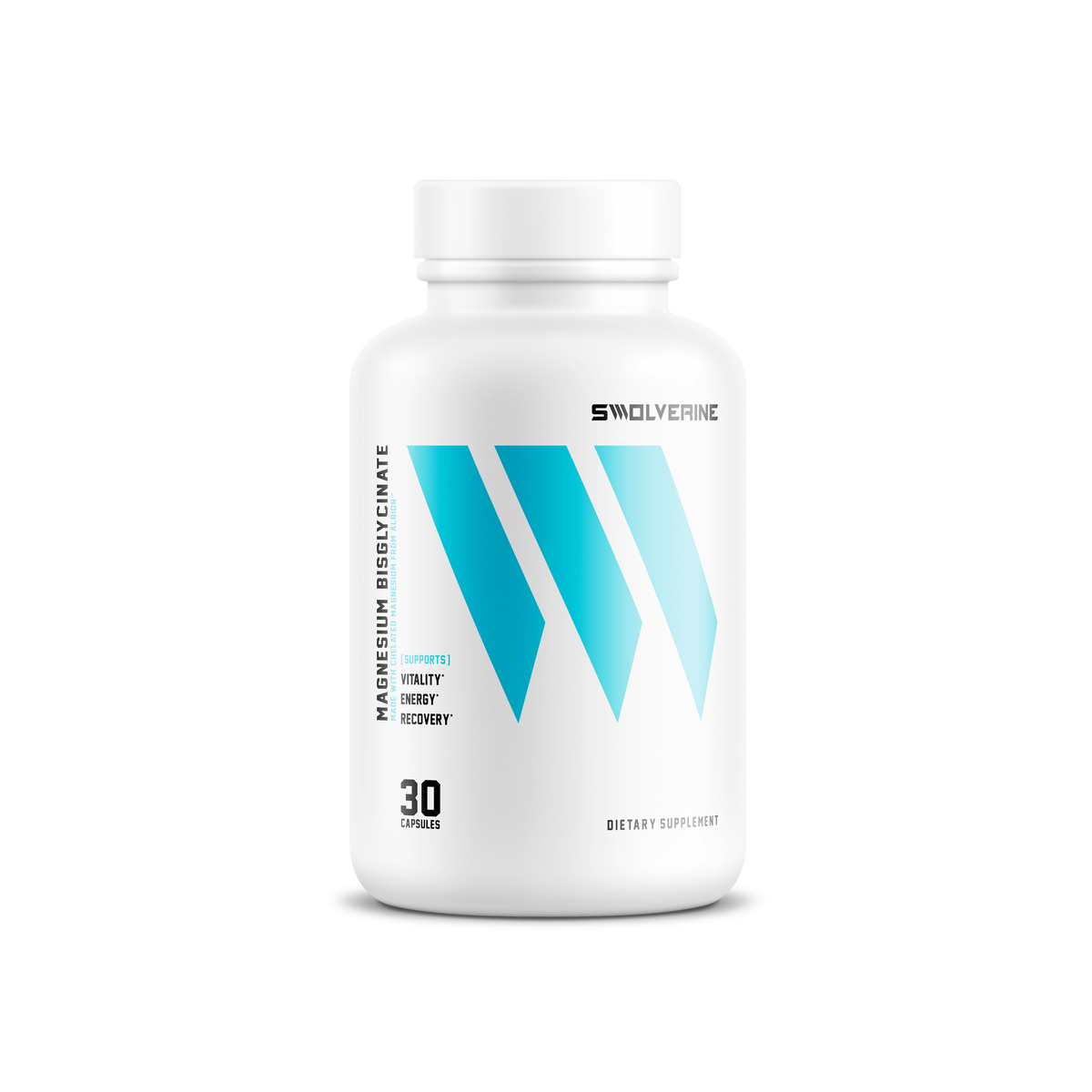
Magnesium has long been recognized as a critical mineral for human health, yet many individuals fail to meet their daily requirements through diet alone. Among the various supplemental forms available, magnesium bisglycinate has gained attention for its potential to support muscle recovery and promote relaxation without the digestive discomfort associated with other magnesium compounds. This article explores the scientific basis for these benefits, examines the unique properties of the bisglycinate form, and reviews the quality control measures that reputable manufacturers apply to ensure product integrity.
The Role of Magnesium in Muscle Physiology
Magnesium is an essential cofactor in over 300 enzymatic reactions in the human body, many of which are directly tied to muscle function. It regulates calcium transport across cell membranes, which controls muscle contraction and relaxation. When magnesium levels are suboptimal, the calcium channels remain open longer, leading to sustained muscle contraction. This mechanism explains why magnesium deficiency is frequently linked to muscle cramps, spasms, and delayed recovery after exercise.
Research indicates that magnesium supplementation can reduce serum creatine kinase levels following intense physical activity, suggesting a mitigating effect on exercise-induced muscle damage. Additionally, magnesium supports ATP production, the primary energy currency of cells. During recovery, cells require ATP to repair microtears in muscle fibers and clear metabolic waste products like lactate. By ensuring adequate magnesium availability, the body may more efficiently transition from a catabolic state to an anabolic one after training.
Beyond muscle function, magnesium plays a central role in nervous system regulation. It modulates the activity of the hypothalamic-pituitary-adrenal (HPA) axis, which governs stress hormone release. Elevated cortisol levels can impair muscle repair and contribute to systemic inflammation. Through its GABA receptor agonist activity, magnesium also promotes a calming effect on the brain, facilitating the transition into deeper sleep stages where growth hormone secretion peaks.
Why the Bisglycinate Form Matters
Magnesium bisglycinate consists of magnesium chelated to two molecules of the amino acid glycine. This chelation process creates a stable complex that is absorbed via amino acid transport pathways in the small intestine, bypassing the competition with other minerals that often limits absorption of inorganic magnesium salts such as oxide or carbonate. The enhanced bioavailability means that lower doses can achieve comparable serum elevation, reducing the likelihood of the laxative effect commonly seen with magnesium citrate.
Glycine itself is a nonessential amino acid with independent physiological benefits. It acts as an inhibitory neurotransmitter in the central nervous system, binding to strychnine-sensitive glycine receptors that hyperpolarize neurons. This mechanism contributes to reduced neuronal excitability and promotes a state of calm. Glycine also serves as a precursor for glutathione synthesis, a key antioxidant that neutralizes reactive oxygen species generated during intense exercise. Thus, the bisglycinate form offers a synergistic advantage: the magnesium supports relaxation and recovery, while the glycine molecule adds its own neuroprotective and antioxidant effects.
Clinically, magnesium bisglycinate has been studied for its ability to improve sleep quality and reduce symptoms of restless leg syndrome. In one randomized controlled trial, participants receiving 200–400 mg of magnesium bisglycinate nightly experienced significantly shorter sleep onset latency and higher sleep efficiency compared to placebo. For athletes, these sleep improvements translate into better recovery markers, including lower morning cortisol and enhanced subjective energy ratings.
Quality Control and Manufacturing Standards
The production of a consistent, high-quality magnesium bisglycinate supplement involves several distinct stages, each with its own quality assurance protocols. According to the product specification details, the process begins with product concept and design, followed by raw material procurement. Raw material sourcing is critical because magnesium ore and glycine must meet strict purity criteria to avoid contamination with heavy metals or microbial pathogens.
After procurement, the manufacturing phase includes production and assembly, during which the chelation reaction occurs under controlled temperature and pH conditions. Following assembly, the product enters a rigorous quality control stage. The specification notes that testing is performed by three independent laboratories, including Light Labs and Eurofins. Eurofins is a well-known contract research organization that operates ISO-accredited facilities, providing third-party verification of potency, purity, and absence of adulterants. Light Labs similarly offers comprehensive analytical services, often including HPLC and ICP-MS methods to quantify active ingredients and screen for contaminants.
Importantly, the manufacturer claims “fully transparent” labeling with “no proprietary blends.” This means that the exact amount of magnesium bisglycinate per serving is disclosed, rather than being hidden behind a blend of multiple ingredients. Such transparency allows researchers and consumers to accurately dose according to their needs and to evaluate the product against published clinical protocols.
The final stages involve secure, branded packaging and fast delivery. While packaging may seem trivial, it is relevant for stability. Magnesium bisglycinate is hygroscopic, meaning it can absorb moisture from the air, which may degrade the product over time. Proper packaging with moisture barrier properties helps maintain potency throughout the product’s shelf life.
The product is offered in an unflavored form, available in a container with 30 servings. Purchasing options include a one-time purchase or a subscription model with a 15% discount, free shipping, and the ability to skip or pause orders at any time. Free shipping is applied on orders over $75. These logistical details, while commercial in nature, reflect the service expectations of a market that increasingly values convenience and cost predictability.
Frequently Asked Questions
Q: Why is magnesium bisglycinate preferred over magnesium oxide or citrate for muscle recovery?
A: Magnesium bisglycinate is chelated to glycine, which improves absorption and reduces gastrointestinal side effects like diarrhea that can occur with magnesium oxide or citrate. The glycine component also independently supports relaxation and antioxidant defenses, providing additional benefits for recovery.
Q: What type of third-party testing is performed on this product?
A: The product is tested by three independent laboratories, including Light Labs and Eurofins. These labs verify the identity, potency, and purity of the magnesium bisglycinate, as well as screen for heavy metals and microbial contaminants. The manufacturer reports full transparency and does not use proprietary blends.
Q: Can magnesium bisglycinate help with sleep as well as muscle recovery?
A: Yes. Magnesium bisglycinate has been studied for its ability to reduce sleep onset latency and improve sleep quality. The magnesium modulates the HPA axis and GABA activity, while glycine acts as an inhibitory neurotransmitter. Better sleep supports muscle repair through enhanced growth hormone release and reduced cortisol levels.
Q: Is a subscription required, or can the product be purchased as a one-time order?
A: Both options are available. A one-time purchase can be made without a subscription. Alternatively, a subscription model offers a 15% discount, free shipping, and the flexibility to skip or pause deliveries at any time. Free shipping is standard on orders over $75.


