Key Takeaways
- •A recent report from WDBJ7, part of its Hometown Health series, has drawn attention to new findings linking the GLP-1 drug tirzepatide with a reduced risk of heart attacks among patients who are already at elevated cardiovascular risk.
- •Tirzepatide is a dual GIP and GLP-1 receptor agonist, a mechanism that distinguishes it from other drugs in the GLP-1 class.
- •The WDBJ7 segment, titled "HOMETOWN HEALTH: GLP-1 drug 'Tirzepatide' linked to lower heart attack risk in high-risk patients," presents the finding as a notable development for patients and clinicians.
Tirzepatide and Cardiovascular Outcomes
A recent report from WDBJ7, part of its Hometown Health series, has drawn attention to new findings linking the GLP-1 drug tirzepatide with a reduced risk of heart attacks among patients who are already at elevated cardiovascular risk. The report, published on August 6, 2026, highlights the potential of this medication beyond its established role in glycemic control and weight management.
Tirzepatide is a dual GIP and GLP-1 receptor agonist, a mechanism that distinguishes it from other drugs in the GLP-1 class. While the report does not examine into the biological pathways, the observed association with lower heart attack risk adds to a growing body of research suggesting that GLP-1-based therapies may offer cardiovascular protection. The study or analysis referenced in the report appears to focus on a high-risk patient population, where the absolute reduction in risk could be clinically meaningful.
The Hometown Health Report
The WDBJ7 segment, titled "HOMETOWN HEALTH: GLP-1 drug 'Tirzepatide' linked to lower heart attack risk in high-risk patients," presents the finding as a notable development for patients and clinicians. The report does not specify the exact study design, sample size, or statistical details, but the headline claim is clear: tirzepatide is linked to a lower heart attack risk in high-risk individuals.
This is not the first time GLP-1 drugs have been associated with cardiovascular benefits. Previous trials with other agents in the class have shown reductions in major adverse cardiovascular events. However, tirzepatide's dual agonist profile has made it a subject of intense interest, and the new report suggests that this benefit may extend to this newer medication as well.
Implications for High-Risk Patients
For patients with conditions such as type 2 diabetes, obesity, or established cardiovascular disease, the potential to reduce heart attack risk is a critical consideration. The report implies that tirzepatide could be a valuable option for those who are at heightened risk, though it does not provide specific guidance on patient selection or dosing. Clinicians are likely to weigh these findings alongside other clinical data when making treatment decisions.
The report also highlights the importance of ongoing research into GLP-1 drugs. As more data emerge, the role of tirzepatide in cardiovascular risk reduction may become clearer. For now, the association reported by WDBJ7 offers a promising signal, but it is not a definitive proof of cause and effect.
Context Within GLP-1 Drug Research
Tirzepatide is already approved for the treatment of type 2 diabetes and, in some regions, for weight management. Its cardiovascular profile has been under investigation, and the new report adds to the evidence base. The fact that the finding is specific to high-risk patients suggests that the benefit may be most pronounced in those who have the most to gain from risk reduction.
The report does not mention any side effects or safety concerns, nor does it compare tirzepatide to other GLP-1 drugs in terms of cardiovascular outcomes. It simply states the observed link. Readers should interpret the finding as one piece of a larger puzzle, and they should consult healthcare professionals for personalized advice.


What This Means for Patients and Providers
For healthcare providers, the report may prompt a closer look at tirzepatide as a potential option for high-risk patients. For patients, it offers hope that newer therapies may offer benefits beyond glucose control. However, the report stops short of making any treatment recommendations, and it does not suggest that tirzepatide should replace existing therapies.
It is also important to note that the report is based on a single news segment, and the underlying data have not been fully detailed. As with any medical news, further research and peer-reviewed studies are necessary to confirm and expand upon these findings. The WDBJ7 report serves as an accessible summary for the public, but it is not a substitute for clinical evidence.
Conclusion
The association between tirzepatide and lower heart attack risk in high-risk patients, as reported by WDBJ7, is a noteworthy development in the field of cardiometabolic medicine. While the full implications remain to be seen, the finding reinforces the potential of GLP-1-based therapies to improve cardiovascular outcomes. Patients and providers alike should stay informed as more data become available.
As always, any change in medication should be made under the guidance of a qualified healthcare professional. The report does not provide specific medical advice, and individual risks and benefits should be discussed with a doctor.
Related Research Compounds
Looking for high-purity research peptides? Browse our catalog for HPLC-verified compounds.
| Compound | Purity | Size | Price |
|---|---|---|---|
| Tirzepatide 10mg | >99% | 10mg | $34.00 |
Frequently Asked Questions
Q: What is tirzepatide?
A: Tirzepatide is a GLP-1 drug that also acts on GIP receptors. It is used for the treatment of type 2 diabetes and, in some cases, for weight management. The recent report links it to a lower heart attack risk in high-risk patients.
Q: How does tirzepatide reduce heart attack risk?
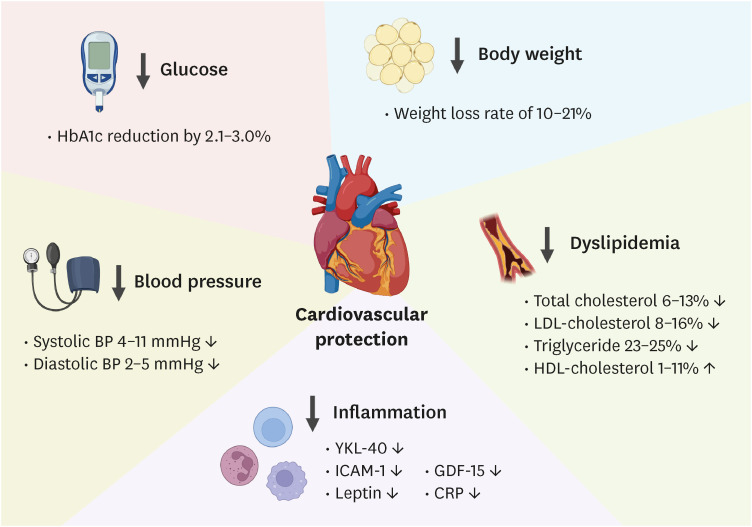
A: The report does not explain the mechanism. However, GLP-1 drugs in general have been associated with cardiovascular benefits, possibly through effects on weight, blood pressure, and inflammation. More research is needed to understand the exact pathway.
Q: Who is considered a "high-risk" patient in the report?
A: The report does not define the criteria for high-risk patients. Typically, this would include individuals with existing heart disease, diabetes, or multiple risk factors. The report does not provide specific details.
Q: Should I switch to tirzepatide if I am at high risk for heart attack?
A: The report does not make any treatment recommendations. Any decision to start or change medication should be made in consultation with a healthcare provider, who can assess your individual risk and benefits.
Q: Where can I find the original report?
A: The original report was published by WDBJ7 on August 6, 2026, as part of its Hometown Health series. It is available on their website and through various news aggregators.


