Key Takeaways
- •Samsung Biologics has unveiled a substantial 3 trillion won rights issue, a move designed to bankroll its planned acquisition of Polypeptide and support expansion at its Songdo campus.
- •The rights issue is a direct reflection of Samsung Biologics' aggressive growth trajectory in the biopharmaceutical manufacturing space.
- •A key component of the capital raise is the acquisition of Polypeptide, a move that will allow Samsung Biologics to enter the peptide CDMO market.
Samsung Biologics Announces Major Capital Raise
Samsung Biologics has unveiled a substantial 3 trillion won rights issue, a move designed to bankroll its planned acquisition of Polypeptide and support expansion at its Songdo campus. The announcement, made public on August 27, 2026, represents a significant financial maneuver for the contract development and manufacturing organization (CDMO). This capital infusion is earmarked for two primary strategic objectives: the purchase of peptide specialist Polypeptide and the continued build-out of its manufacturing capabilities in Songdo, South Korea.
The rights issue is a direct reflection of Samsung Biologics' aggressive growth trajectory in the biopharmaceutical manufacturing space. By raising funds through shareholders, the company aims to secure the necessary capital to complete the Polypeptide acquisition, which will broaden its service offerings into the peptide segment. Simultaneously, the expansion of the Songdo facility is intended to increase the company's overall production capacity to meet rising global demand for biologic drugs.
Funding the Polypeptide Acquisition
A key component of the capital raise is the acquisition of Polypeptide, a move that will allow Samsung Biologics to enter the peptide CDMO market. Peptides are increasingly important in the development of new therapies, particularly for metabolic and oncological indications. The acquisition is expected to complement Samsung Biologics' existing strengths in large-molecule biologics manufacturing, creating a more diversified portfolio of services for its clients.
The deal highlights the growing convergence of biologics and peptide-based therapeutics. By integrating Polypeptide's specialized capabilities, Samsung Biologics can offer end-to-end solutions that span both traditional biologics and emerging peptide modalities. This strategic alignment is designed to position the company as a one-stop shop for pharmaceutical companies seeking to outsource complex manufacturing processes.
Expanding the Songdo Campus
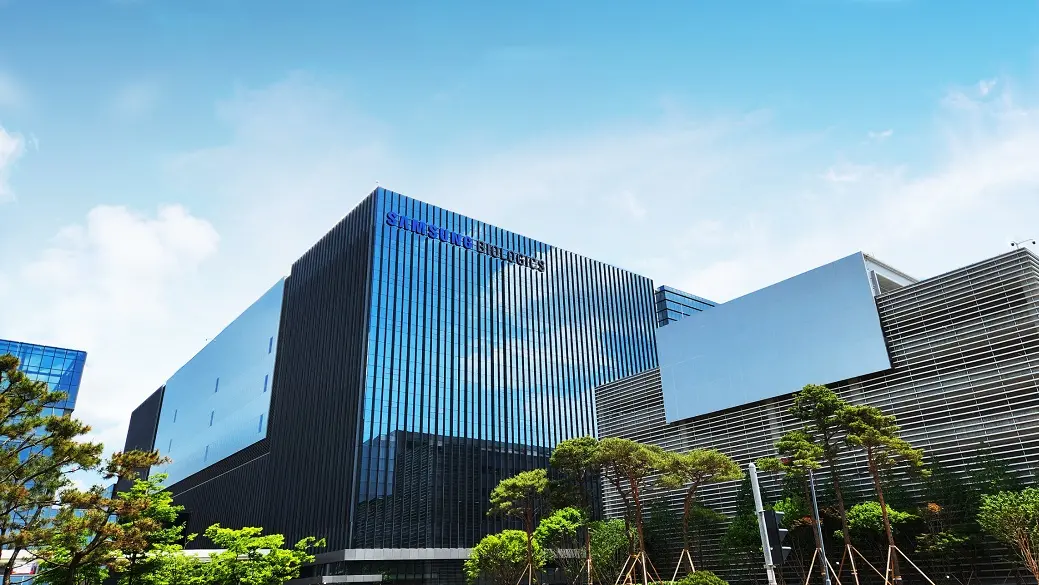
In addition to the acquisition, a portion of the 3 trillion won will be directed toward expanding Samsung Biologics' Songdo facility. The Songdo campus is already a major hub for biologics manufacturing, housing multiple large-scale plants. The expansion plans are likely to include new production lines and supporting infrastructure, further solidifying the site as one of the world's largest biologics manufacturing complexes.
The expansion is a direct response to the sustained growth in demand for contract manufacturing services. With many pharmaceutical companies looking to outsource production to reduce costs and increase flexibility, Samsung Biologics is positioning itself to capture a larger share of this market. The additional capacity will enable the company to take on more projects and serve a broader range of clients, from emerging biotech firms to large multinational pharmaceutical corporations.


Financial Implications and Market Reaction
The announcement of the rights issue has significant implications for Samsung Biologics' shareholders. A rights issue allows existing shareholders to purchase additional shares at a discount, providing the company with fresh capital while diluting the ownership of those who do not participate. The scale of this offering, at 3 trillion won, is notable and signals the company's confidence in its growth strategy.
Market observers will be watching closely to see how the rights issue is received by investors. The success of the offering will depend on shareholder appetite for the new shares and the perceived value of the Polypeptide acquisition and Songdo expansion. If well-received, the capital raise could provide Samsung Biologics with the financial firepower needed to execute its ambitious plans.
Strategic Rationale Behind the Move
Samsung Biologics' decision to launch this rights issue at this particular time reflects a broader industry trend toward consolidation and capacity expansion. The CDMO sector has seen a wave of mergers and acquisitions as companies seek to broaden their service offerings and achieve economies of scale. By acquiring Polypeptide, Samsung Biologics is not only diversifying its capabilities but also gaining a foothold in a high-growth segment of the market.
The expansion of the Songdo facility is equally strategic. It demonstrates a long-term commitment to maintaining a leading position in the global biologics manufacturing landscape. With the rise of biosimilars and the increasing complexity of biologic drugs, the demand for high-quality, large-scale manufacturing capacity is expected to remain strong. Samsung Biologics is positioning itself to meet this demand head-on.
What This Means for the CDMO Industry
The announcement is likely to have ripple effects across the CDMO industry. Competitors may feel pressure to respond with their own capacity expansions or strategic acquisitions to keep pace. The move also highlights the growing importance of peptides as a therapeutic modality, which could prompt other CDMOs to explore similar partnerships or acquisitions.
For pharmaceutical companies, the expansion of Samsung Biologics' capabilities could offer more options for outsourcing complex manufacturing. The combination of biologics and peptide production under one roof could simplify supply chains and reduce the number of vendors needed for a given product. This could lead to more efficient development timelines and potentially lower costs for drug developers.
Looking Ahead
As Samsung Biologics moves forward with the rights issue, the company will need to navigate regulatory approvals and shareholder votes. The timeline for the capital raise and the subsequent acquisition and expansion will be closely monitored by industry analysts. The successful execution of these plans could solidify Samsung Biologics' position as a dominant player in the global CDMO market.
The 3 trillion won rights issue is a bold statement of intent. It signals that Samsung Biologics is not content to rest on its laurels but is actively seeking to shape the future of biopharmaceutical manufacturing. With the Polypeptide acquisition and Songdo expansion, the company is laying the groundwork for sustained growth in the years to come.


