ARA-290 in brief
ARA-290 (cibinetide) is a synthetic linear undecapeptide, UEQLERALNSS, with a pyroglutamate lactam at position 1 and no cysteine, disulfide, lipid or sugar. Its residues occur in order within human erythropoietin but not consecutively: they were chosen to reproduce the aqueous face of helix B, so it is a surface mimic rather than a fragment. It holds no marketing authorisation; registered trials reached phase 2 in four indications and no phase 3 study is registered, and the most recent of those trials was terminated because the study drug expired with no replacement available. Receptor involvement rests on genetic evidence, loss of effect in mice lacking CD131, and no dissociation constant has been published at any receptor; the receptor the design assumes is contested, one biophysical study having found no association between the two receptor ectodomains. Two papers in this literature have been retracted. Neither the code nor the international nonproprietary name appears on the FDA's bulk-substances lists or on the World Anti-Doping Agency 2026 Prohibited List.[1,2,3,4,5,6,7]
ARA-290 regulatory status
ARA-290 holds no marketing authorisation: Drugs@FDA, the European Medicines Agency medicines database and the Health Canada Drug Product Database return no record of it under the code or the international nonproprietary name (all searched November 2026), and the European orphan designation number carried on its FDA substance record is a designation rather than an authorisation. The registered clinical record reaches phase 2 and stops there: ClinicalTrials.gov lists a completed phase 2 study in neuropathy associated with sarcoidosis, a completed phase 1/2 study in depression run by a university hospital, a phase 2 study in prediabetes and type 2 diabetes whose status is recorded as unknown, and a phase 2 study in diabetic macular oedema recorded as terminated, with no phase 3 study registered anywhere. Neither cibinetide nor ARA-290 appears on the FDA's Category 2 list of bulk drug substances nominated for compounding that may present significant safety risks, nor in that page's table of withdrawn nominations, so no agency concern about it is recorded there (both tables read in full, content current as of 22 April 2026). The peptide is not named on the World Anti-Doping Agency 2026 Prohibited List, although class S2.1.5 of that list covers innate repair receptor agonists as a category and the list's classes are written as open ones. Two papers in this literature have been retracted, in 2024 and 2026, and neither is cited on this page as evidence; both are described in the unresolved section.[8,9,10,11,6,12,13,7,2,5]
ARA-290 at a glance
- Eleven L residues in a linear chain, UEQLERALNSS, with a pyroglutamate lactam at position 1 and a free C-terminal carboxylate. C51H84N16O21, average mass 1257.3. No cysteine, no disulfide, no sulfur at all, no lipid, no PEG and no sugar.[14,2]
- It is a surface mimic, not a fragment. Its residues occur in order inside mature erythropoietin but not consecutively: the founding paper describes them as the amino acids forming the aqueous face of helix B, adjacent across the face of a helix rather than along the chain.[1,15]
- Receptor involvement rests on genetics, and the receptor itself is contested. The measured effect is absent in mice lacking the beta common receptor CD131, is reduced by CD131 knockdown, and in macrophages requires both CD131 and the kinase JAK2; no dissociation constant at any receptor appears in the sources read here. Against that, a biophysical study of the isolated extracellular regions of the erythropoietin receptor and CD131 found no specific association between them, with or without this peptide present. The full argument is in the mechanism section.[3,16,17,4]
- It is short-lived in blood and attacked from the C-terminus. An in vitro metabolism study in plasma and serum found extensive exopeptidase-driven degradation with one main metabolite, PyrEQLERALN, the chain minus its two C-terminal serines.[18,19]
- Human trials reached phase 2 in four indications and went no further. One in sarcoidosis-associated small fibre neuropathy was completed, one in depression was completed by a university hospital, one in prediabetes and type 2 diabetes has an unknown status, and one in diabetic macular oedema was terminated with the registry recording the reason as expiry of the study drug with no replacement available.[11,6,12,13]
What is ARA-290?
ARA-290 came out of a programme at Warren Pharmaceuticals that set out to separate two activities attributed to erythropoietin. The argument it worked from is that the hormone's effect on red cell production runs through a homodimer of the erythropoietin receptor, while a second set of tissue-level effects runs through a heterocomplex of that receptor with CD131, the beta common receptor shared by the receptors for granulocyte macrophage colony-stimulating factor, interleukin 3 and interleukin 5. If the two use different receptors, a molecule might be built for the second without touching the first.[1,20]
The 2008 report narrowed the second activity to short sequences. It identified helix B, mature residues 58 to 82, as the region facing the aqueous medium when the hormone is bound to the receptor homodimer, then reported that an eleven residue peptide made of the amino acids forming that face behaved like the longer helix in the assays used. Neither was erythropoietic in vitro or in vivo, which is the property the design was aiming at.[1]
The molecule has an unusual number of names for its size. Its International Nonproprietary Name is cibinetide; ARA-290 is the development code of Araim Pharmaceuticals and is how the supplier lists it. In the laboratory literature it is usually pHBSP, pyroglutamate helix B surface peptide, where the leading p records the pyroglutamate at position 1 and separates it from the plain HBSP form. Because it was built from a sequence rather than discovered as one, that sequence has since been re-engineered: a thioether-cyclised version, CHBP, was made in 2014 expressly to resist proteolysis, and other groups have fused the peptide to an elastin-like polypeptide. Each is a different compound; this page is the plain linear peptide.[14,2,19,21,22,23]
The published work spans many cell types and named rodent models, from cultured human pancreatic islets held in a pro-inflammatory environment to an incisional model in mice carrying a genetic diabetes mutation. Under the name cibinetide the compound has also been through human trials: a randomised, double-blind pilot study in sarcoidosis-associated small fibre neuropathy, a phase 2b trial whose primary endpoint was corneal nerve fibre area (the density of small nerve fibres in the cornea, measured by confocal microscopy and used as an accessible read-out of small fibre nerve loss), and a phase 2 trial in diabetic macular oedema. This page states their designs, populations and endpoints and reproduces no dose, regimen or clinical result from any of them; breadth of publication is not itself evidence about mechanism.[24,25,26,27,28]
The development record stops at phase 2. Four phase 2 or phase 1/2 studies are registered, in neuropathy of sarcoidosis, in depression, in prediabetes and type 2 diabetes, and in diabetic macular oedema; no phase 3 study is registered under either name, and the compound holds no marketing authorisation. The most recent of the four, opened in 2024, is recorded as terminated after nine participants, and the registry gives the reason as expiry of the study drug with no replacement available, which is a statement about supply rather than about a result. A commercial pharmaceutical pipeline database is reported to record development for depressive disorders as discontinued; that record sits behind a login and was not read, so it is noted here as unverified rather than stated.[11,6,12,13,2]
Not to be confused with
- Erythropoietin itself
- The peptide is named after erythropoietin and is not a piece of it in the ordinary sense. Human erythropoietin is a 166 residue glycoprotein hormone cut from a 193 residue precursor, carrying two disulfide bonds (mature residues 7 to 161 and 29 to 33, recorded in UniProt P01588 at precursor positions 34 to 188 and 56 to 60), three N-linked glycans at mature residues 24, 38 and 83, and one O-linked glycan at mature residue 126. ARA-290 has eleven residues, no cysteine, no disulfide and no carbohydrate, and its residues are not consecutive in the protein. A reader who treats a result for the hormone as a result for this peptide has changed molecule, size class and receptor repertoire at once.[15,1,14]
- HBSP, the non-pyroglutamate helix B surface peptide
- Papers use HBSP and pHBSP almost interchangeably, and the difference is a real chemical one at position 1. In this molecule the N-terminal residue is a pyroglutamate, a five-membered lactam, so there is no free alpha-amino group at the chain start; the plain HBSP form carries that amine. The pyroglutamate is the p in pHBSP, and the FDA substance record and the PubChem IUPAC name both describe position 1 as 5-oxo-L-prolyl rather than as glutamyl or glutaminyl.[14,2,19]
- Helix B of erythropoietin, mature residues 58 to 82
- The same founding paper reports work on two distinct materials: helix B, a 25 residue continuous segment, and the 11 residue surface peptide. Read out of UniProt P01588, mature residues 58 to 82 are QQAVEVWQGLALLSEAVLRGQALLV, which is not the sequence of ARA-290 and shares with it neither length nor residue order as a block. Citing a helix B result as an ARA-290 result conflates the two.[15,1]
- CHBP, thioether-cyclised helix B peptide
- A separate molecule built from the same residue set and closed into a macrocycle through a thioether bridge, reported in 2014 as the first cyclisation applied to this sequence and introduced specifically because the linear peptide is degraded quickly. A macrocycle and a linear chain are different compounds with different proteolytic behaviour, and results are not transferable between them.[21,23]
- PHBSP, the plasma hyaluronan binding serine protease
- An unrelated multidomain human plasma protease, since renamed factor VII activating protease, which was given the same acronym in the haemostasis literature. A PubMed search on the string pHBSP returns its records beside the peptide's. One is an eleven residue synthetic peptide, the other a zymogen that circulates at roughly 80 to 100 nanomolar and autoactivates into a two-chain enzyme. Nothing connects them but four letters.[38]
- Carbamylated erythropoietin (CEPO)
- Another non-erythropoietic erythropoietin derivative, measured alongside this peptide in the same experiments, for example in a bovine aortic endothelial scratch model where both were tested at two oxygen tensions. CEPO is the whole glycoprotein with its lysine residues chemically carbamylated, not a peptide, so a shared label of non-erythropoietic analogue is the only thing the two have in common.[39]
ARA-290 structure and sequence
The chain is Pyr-Glu-Gln-Leu-Glu-Arg-Ala-Leu-Asn-Ser-Ser, and only position 1 is modified: a glutamate whose side-chain carboxyl has closed onto its own alpha-amino group to form a five-membered lactam, pyroglutamate or 5-oxoproline. The consequence is chemical rather than cosmetic. The molecule has no free N-terminal amine, so it cannot be acylated there, it carries one fewer positive charge than the open-chain form at neutral pH, and it presents a blocked terminus to aminopeptidases. The formula can be checked without trusting a database: the eleven free amino acids sum to C51H106N16O32, subtracting ten waters for the ten peptide bonds gives C51H86N16O22, and one more for the lactam gives C51H84N16O21, which is what PubChem reports for CID 91810664.[14,2]
What makes the molecule unusual is how its residues sit in the parent protein. Aligned against mature human erythropoietin from UniProt P01588, all eleven appear in the right order but not consecutively: the first eight fall inside helix B, whose mature residues 58 to 82 read QQAVEVWQGLALLSEAVLRGQALLV, and the final Asn-Ser-Ser corresponds to mature residues 83 to 85, immediately past the helix. Adjacency in the founding paper's phrase means spatial adjacency across one face of a helix, not adjacency along the chain. So this is not a proteolytic fragment and would never arise from cutting the hormone up, and any claim that the peptide reproduces the geometry of that face is a claim about the parent protein's folded structure, which has been measured, rather than about the peptide's own, which has not.[15,1]
There is nothing to show in three dimensions. No structure of the peptide has been deposited, PubChem holds no computed conformer, and with 42 rotatable bonds over 88 heavy atoms, no disulfide and no backbone macrocycle, a chain this short in solution is an ensemble rather than a shape. Reference pages elsewhere show a generated conformer for it, and none is shown here on purpose: a force-field minimum for a 42-rotatable-bond chain is a picture of a calculation, and the one geometric claim this molecule rests on is about the parent protein's folded surface, which has been measured, not about the peptide's own shape, which has not. The parent protein's deposited structures, including the 1.9 angstrom complex of erythropoietin with its receptor's extracellular domains, describe the folded hormone; that crystallised construct also carries substitutions at the three glycosylation sequons, one at the asparagine this peptide contains as its ninth residue. The one piece of hard structural chemistry specific to the peptide is its degradation geometry, trimmed from the carboxyl end in plasma and serum.[14,29,4,18]
Modifications
- 1 Pyroglutamate (5-oxo-L-proline). The side-chain carboxyl of a glutamate residue is condensed with its own alpha-amino group to give a five-membered lactam, so the chain begins in a ring and has no free N-terminal amine. The FDA substance record names position 1 L-PYR and the PubChem IUPAC name renders the same group as 5-oxopyrrolidine-2-carbonyl.[14,2]
All eleven residues are the L enantiomer and PubChem reports eleven defined atom stereocentres with none undefined for CID 91810664. There is no cysteine, so no disulfide and no free thiol, and no sulfur atom of any kind appears in the formula. The only ring closure in the molecule is the pyroglutamate lactam at position 1: the backbone itself is linear and uncyclised, and there is no lipidation, no PEG, no glycosylation and no C-terminal amidation. With 42 rotatable bonds across 88 heavy atoms the chain is highly flexible, which is the structural reason no single resting conformation can be depicted. The two glutamate carboxylates and the single arginine guanidine give the molecule charged groups at both ends of the middle section, and the two C-terminal serines supply the only hydroxyl side chains.[14]
What studies on ARA-290 show
Each card names the experimental system and what was measured. A result in one system is not evidence about another.
Peptide design programme with in vitro and in vivo assays · Neuronal cultures for the in vitro work; rodent models of ischaemic stroke, diabetes-associated retinal oedema, peripheral nerve trauma and renal ischaemia reperfusion for the in vivo work; erythropoiesis assays in vitro and in vivo
Helix B changed the measured endpoints in the neuronal cultures and in the named rodent models, and the eleven residue surface peptide changed the endpoints in the stroke and renal ischaemia reperfusion models. Neither peptide was erythropoietic in vitro or in vivo.[1]
- Material
- Helix B of human erythropoietin (mature residues 58 to 82) and the eleven residue peptide composed of the amino acids forming its aqueous face
- Measured
- Whether either peptide reproduced the tissue-level endpoints attributed to erythropoietin in each named model, and whether either stimulated erythropoiesis
- Compared with
- Erythropoietin, and vehicle
- Limitation
- This is the paper that both designed the molecule and reported its first results, from the company developing it, and it was read abstract-only. It establishes that an eleven residue peptide can be defined this way and that it is not erythropoietic. It does not measure the peptide binding anything: the receptor assignment in it is an argument from the parent protein's structure and from prior receptor work, not a binding experiment on the peptide.
Brines M et al., 2008, Proceedings of the National Academy of Sciences of the United States of America
Behavioural pharmacology in a receptor knockout line · Rats and mice after spared nerve injury, including mice lacking the beta common receptor CD131
The peptide changed tactile and cold allodynia thresholds in rats and in wild-type mice, and produced no detectable change in mice lacking CD131.[3]
- Material
- ARA-290
- Measured
- Tactile and cold allodynia thresholds over weeks after nerve injury, in wild-type and CD131-null animals. Allodynia is pain evoked by a stimulus that is not normally painful, here light touch or mild cold, and the threshold is the stimulus strength at which the animal responds
- Compared with
- Vehicle, and wild-type littermates against the knockout line
- Limitation
- A germline knockout shows that the gene is required for the effect, not that the peptide binds the protein it encodes. CD131 is shared by three cytokine receptors and is deleted from every cell throughout development, so the result is consistent with a direct interaction and equally consistent with the response needing an intact CD131-dependent pathway somewhere upstream. No binding was measured and no receptor occupancy was shown.
Swartjes M et al., 2011, Anesthesiology
Cell culture, receptor surface trafficking and transcription factor activation · Mouse mesenchymal-derived cell populations of several phenotypes, under oxidative and inflammatory stress
CD131 was externalised to the cell surface as an immediate response to cellular stress, and in the same cells the peptide offset a tumour necrosis factor alpha mediated block on activation of serum response factor, heat shock transcription factor 1 and activator protein 1.[30]
- Material
- ARA-290, compared with erythropoietin
- Measured
- Cell surface appearance of CD131 after a stressor, apoptosis and inflammatory markers, and activation of the transcription factors serum response factor, heat shock transcription factor 1 and activator protein 1 after the stressor was removed
- Compared with
- Erythropoietin, unstressed cells, and tumour necrosis factor alpha alone
- Limitation
- The CD131 externalisation is a measurement; the paper's accompanying statement that the peptide binds the erythropoietin receptor and CD131 complex but not the canonical erythropoietin receptor homodimer is a key message rather than a binding experiment reported here, and the paper was read abstract-only. It also does not establish that the externalised CD131 is physically joined to an erythropoietin receptor.
Bohr S et al., 2015, Journal of Molecular Medicine
Primary cell assay with genetic and kinase dependence testing, alongside a mouse model · LPS-activated primary mouse macrophages; separately, C57BL/6N mice with dextran sulphate sodium colitis
In LPS-activated primary macrophages the peptide lowered production of those mediators and reduced p65 activity, and the effect required both CD131 and JAK2 functionality. In the mouse colitis model myeloid infiltration and mediator production were reduced.[17]
- Material
- Cibinetide, compared with erythropoietin
- Measured
- Production of inflammatory mediators including cytokines, chemokines and nitric oxide synthase 2, activity of the NF-kappaB subunit p65, and whether the response survived loss of CD131 or of JAK2 function
- Compared with
- Solvent, erythropoietin, and cells lacking functional CD131 or with JAK2 function blocked. JAK2 is a cytoplasmic tyrosine kinase that several cytokine receptors, the erythropoietin receptor among them, recruit to begin signalling
- Limitation
- This is the clearest cell-level dependence result in the set, and it is still a pathway requirement rather than a binding measurement. JAK2 sits downstream of several receptors, so its necessity does not localise the peptide's point of action, and no affinity or occupancy figure is reported.
Nairz M et al., 2017, Scientific Reports
Biophysical analysis of isolated receptor ectodomains, with computational and genomic work · Purified extracellular regions of the human erythropoietin receptor and the beta common receptor in vitro; separately, mice under anaemic stress with the beta common receptor gene Csf2rb assessed
The extracellular regions of the two receptors did not specifically associate in vitro, with or without erythropoietin and with or without ARA-290, although the authors' computational and genomic work had suggested a possible interaction. No requirement for the beta common receptor was found in mice under anaemic stress.[4]
- Material
- Recombinant extracellular regions of both receptors, tested in the presence and the absence of erythropoietin and in the presence and absence of ARA-290
- Measured
- Whether the two extracellular regions specifically associate, and whether Csf2rb is required under anaemic stress
- Compared with
- The same preparations without ligand
- Limitation
- The experiment tests isolated extracellular regions in solution. It does not exclude an association that needs the transmembrane segments, a membrane environment, other partners or a particular cellular state, and the paper's own in silico work pointed the other way. It does establish that the direct ectodomain interaction this peptide's receptor model assumes has not been demonstrated, and the record carries a 2019 erratum.
Cheung Tung Shing KS et al., 2018, Scientific Reports
In vitro metabolism with liquid chromatography and high resolution mass spectrometry · Human blood specimens (EDTA, heparin and citrate plasma, and serum), and recombinant amidase
ARA-290 underwent extensive exopeptidase-driven degradation, with one main metabolite identified as PyrEQLERALN, the chain lacking its two C-terminal serine residues. The two comparison peptides showed considerable metabolic stability by contrast, with only a low tendency to deamidation.[18]
- Material
- ARA-290, studied beside GHRP-3 and peforelin as model compounds
- Measured
- Identity of peptide-derived analytes generated on incubation, characterised by high resolution product ion experiments after chromatographic separation
- Compared with
- GHRP-3 and peforelin, incubated in parallel as model peptides
- Limitation
- An in vitro incubation in blood fractions is not a measurement of clearance in a living animal, and the study was designed to support doping control rather than to map a degradation pathway completely. It identifies the main metabolite and the direction of attack; it does not report rate constants, a half-life, or the fate of the metabolite.
Thomas A et al., 2017, Drug Testing and Analysis
Cell differentiation assay in vitro with a mouse study alongside · Osteoclast differentiation cultures in vitro; separately, C57BL/6J female mice with flow cytometric counting of osteoclast progenitors defined as Lin-negative, CD11b-negative, Ly6C-high, CD115-positive
Cibinetide inhibited osteoclastogenesis in vitro, both alone and combined with erythropoietin. In mice it reduced osteoclast progenitor numbers relative to erythropoietin alone and raised cortical and trabecular bone mineral density.[31]
- Material
- Cibinetide, alone and in combination with erythropoietin
- Measured
- Osteoclastogenesis in culture; osteoclast progenitor numbers and cortical and trabecular bone mineral density in mice
- Compared with
- Erythropoietin alone, and untreated controls
- Limitation
- The in vitro arm is a differentiation readout in a mixed culture, so it does not identify the cell on which the peptide acts or the receptor it engages, and the paper's framing that the molecule exclusively binds the heteromeric receptor is taken from the receptor model rather than measured here. Read abstract-only.
Awida Z et al., 2021, International Journal of Molecular Sciences
Calcium imaging, cell culture and behavioural testing · Cultured cells expressing TRPV1, with capsaicin as the channel agonist; behavioural testing in rodents
ARA 290 inhibited TRPV1 channel activity in the imaging assay and reduced the capsaicin-induced mechanical hypersensitivity, and the authors propose it may act as a TRPV1 antagonist.[32]
- Material
- ARA 290
- Measured
- TRPV1 channel activity by calcium imaging, and mechanical sensitivity after capsaicin
- Compared with
- Capsaicin alone
- Limitation
- This names a second candidate molecular target, outside the receptor model the rest of this literature uses, and it is a single report that was read abstract-only. Calcium imaging shows that channel activity changed in the presence of the peptide; it does not demonstrate direct binding to TRPV1, give a potency figure that can be compared with other antagonists, or rule out an indirect route. It has not been replicated in anything else read here.
Zhang W et al., 2016, Peptides
Randomised, double-blind, placebo-controlled pilot trial in humans · Adults with sarcoidosis and symptoms of small fibre neuropathy (damage to the thinnest sensory nerve fibres, which carry pain and temperature)
The trial was completed and reported as a randomised, double-blind pilot study in this population. Its design and endpoints are stated here; no clinical result, amount or regimen is reproduced on this page.[26]
- Material
- ARA 290, against placebo
- Measured
- Safety and tolerability as the stated primary concern, with patient-reported neuropathic symptom measures alongside
- Compared with
- Placebo
- Limitation
- A pilot study, so it is sized to inform a later trial rather than to establish an effect, and it was sponsored by the developer with several authors from that company. Read abstract-only. A symptom questionnaire in a small, short, single-condition trial does not transfer to any other population, and nothing in it measures a receptor, a binding event or a mechanism, which is what the rest of this page is about.
Heij L et al., 2012, Molecular Medicine
Phase 2 trial in humans with an imaging primary endpoint · Adults with sarcoidosis-associated small nerve fibre loss and neuropathic pain
The trial used corneal nerve fibre area as its primary endpoint, which is what makes it the most mechanistically interesting human study in the set: a structural imaging measure of small nerve fibres rather than a symptom score. Its design and endpoint are stated here; no clinical result, amount or regimen is reproduced on this page.[27]
- Material
- Cibinetide, against placebo
- Measured
- Corneal nerve fibre area, that is the area occupied by small nerve fibres in the cornea measured by corneal confocal microscopy, as the primary endpoint
- Compared with
- Placebo
- Limitation
- A single trial in one condition, sponsored by the developer and with company authors, read abstract-only. A structural imaging endpoint is a surrogate: it measures nerve fibre abundance in one accessible tissue and not a receptor interaction, and this page quotes no figure from it. The registry record for the corresponding study is the companion source for the design.
Culver DA et al., 2017, Investigative Ophthalmology and Visual Science
What has been measured at CD131 and the erythropoietin receptor, and what has not
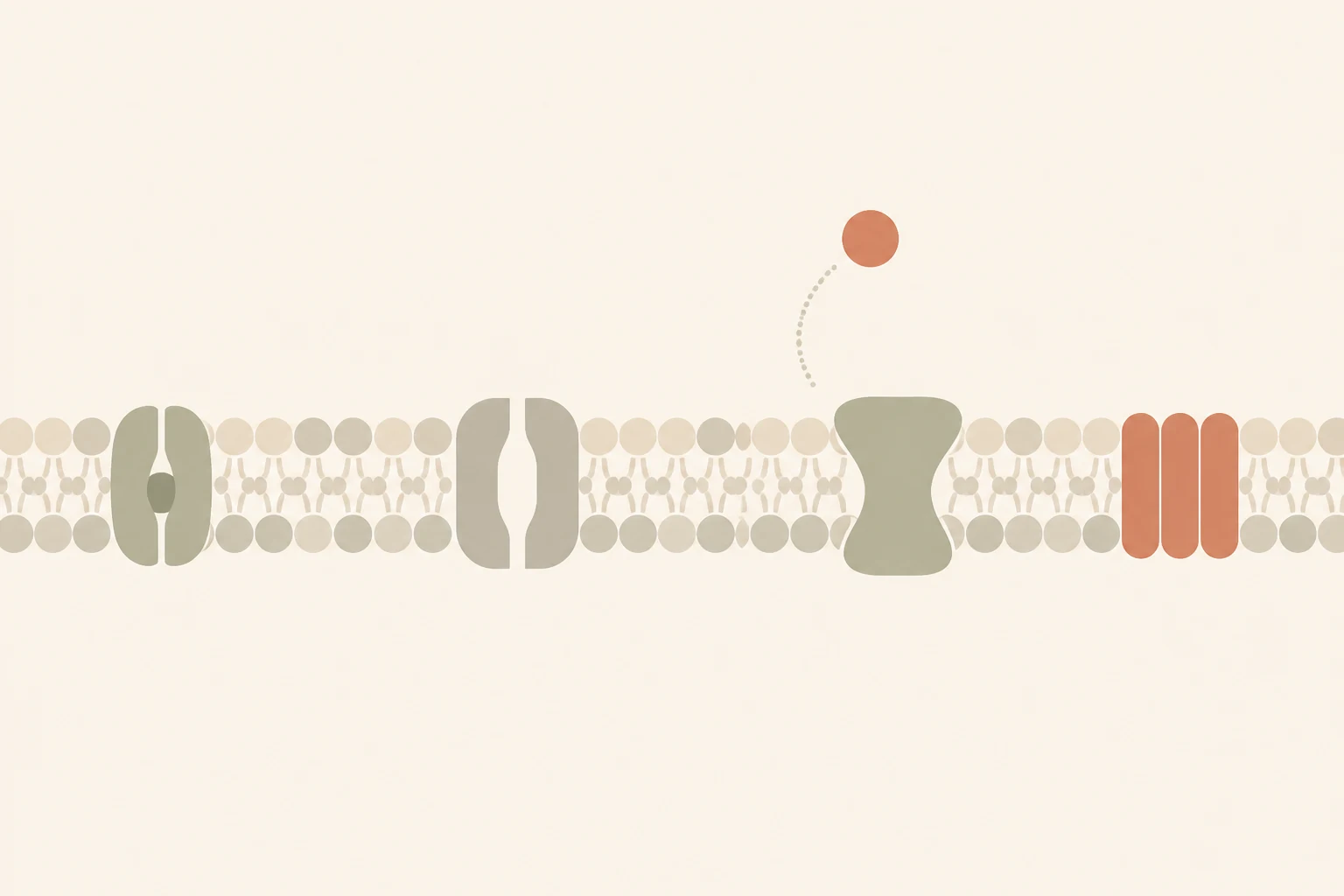
The receptor account this molecule was designed around has two halves, supported very differently. The first is that erythropoietin's effect on red cell production and its tissue-level effects run through different receptor assemblies. The second is that an eleven residue peptide reproducing one solvent-facing surface of helix B engages the second assembly and not the first. The evidence that CD131 is necessary for the peptide's measured effects is consistent across laboratories: the effect on allodynia thresholds was absent in mice lacking CD131, reduced after CD131 knockdown by siRNA in a mouse middle cerebral artery occlusion model, and in LPS-activated primary macrophages it required both CD131 and JAK2 function. A study in the same knockout line calibrates how much that proves, finding that ketamine, an NMDA receptor antagonist whose action is attributed to a different target, also lost its effect on allodynia in those animals. That paper reports the peptide has no affinity for the NMDA receptor; it measures no affinity for ketamine at this receptor model either, and concludes only that an intact pathway is required for both.[1,3,16,17,33]
What has not been produced, in anything read here, is a binding measurement: no dissociation constant, no competition curve and no site density for this peptide at the erythropoietin receptor, at CD131, or at a complex of the two. One review's assertion that the related peptide has higher affinity for the tissue-protective receptor than erythropoietin does carries no figure. The nearest direct physical test went the other way, finding no specific association between the purified extracellular regions of the two receptors with or without ARA-290. A cell biology observation sits between the two positions, that CD131 appears at the cell surface as an immediate response to stress, which would explain why the assembly is reported in injured and not in resting tissue without showing that the two receptors are joined.[23,4,30,20]
Downstream, the measured signalling is conventional and shared. Akt was required for the inhibition of tumour necrosis factor alpha induced apoptosis in cultured neonatal rat cardiomyocytes, where ERK1/2 and STAT3 activation were also reported, although that paper names its construct HBSP rather than the pyroglutamate form, a distinction this page keeps elsewhere and which the paper does not resolve; JAK2 was required in macrophages, where NF-kappaB p65 activity fell; an electrophoretic mobility shift assay in a rat renal allograft showed reduced NF-kappaB binding to DNA. None of those nodes is specific to this peptide or this receptor model, so they constrain the account weakly. Two complications sit outside it: a single report proposes TRPV1 as a direct target on the basis of calcium imaging, and the kinetics are unexplained on the model's own terms, the plasma half-life being given as roughly two minutes while effects reported in animal models persist for weeks.[34,17,35,32,19]
What is still unknown about ARA-290
The receptor at the centre of this literature has no confirmed physical existence. The heteromer of the erythropoietin receptor and CD131, called the innate repair receptor in these papers, is the entity the peptide was built to engage and the reason its selectivity is thought possible, and no direct association of the two receptors has been demonstrated. The genetic evidence that CD131 is required stands, and the two readings can be reconciled, for example by a complex that needs the membrane or another component. The open question is therefore whether the assembly exists as drawn, and nothing read here answers it.[4,3,16]
There is no quantitative pharmacology for this molecule in what was read, which is unusual for a compound with this many papers. Selectivity for one receptor assembly over another is a claim about a ratio of affinities, and no such ratio has been measured. Until a binding constant exists, selectivity here means only that erythropoietic endpoints did not move while others did.[23,1,20]
Two papers in this literature have been retracted. A 2012 report in Molecular Medicine on delayed administration of the peptide in acute kidney injury was retracted in 2026 after concerns about Western blots in one figure: the note records two flagged comparisons, three lanes of one total Akt panel appearing highly similar to each other and one phospho-p38 lane appearing highly similar to a total p38 lane, that the authors supplied original autoradiograms, that further publisher checks found bands selected for publication did not appear representative of the observed results, and that three of the eleven authors dissent. A 2014 report in the British Journal of Pharmacology on diet-induced insulin resistance was retracted in 2024. Both carry overlapping author groups and concern organism-level endpoints rather than the molecular results this page leans on. Neither is cited as evidence; they are listed because a reader searching this compound will find them.[5,36,37]
Two further limits apply to the page as written. Almost every study here was read abstract-only, so figure-level detail and negative results inside papers are not represented. And a large proportion of the work carries authors employed by or holding stock in the companies developing the molecule, which the papers disclose; that is normal for a development compound and is a reason to weight the independent results, notably the ectodomain study and the doping-control metabolism work, more heavily than their number alone suggests.[4,18]
The human record is thin in a specific way. Four phase 2 or phase 1/2 studies are registered and three are published, all in small populations, all sponsored by or co-authored with the developer except the depression study, and all read here abstract-only. The one trial opened recently was terminated after nine participants because the study drug expired with no replacement available, which tells a reader something about supply and nothing about the compound. No phase 3 study exists under either name, so there is no trial in this record designed to confirm an effect rather than to look for one.[26,27,28,11,6,12,13]
Key papers on ARA-290
- Nonerythropoietic, tissue-protective peptides derived from the tertiary structure of erythropoietin
Brines M, Patel NS, Villa P, Brines C, Mennini T, De Paola M, Erbayraktar Z, Erbayraktar S, Sepodes B, Thiemermann C, Ghezzi P, Yamin M, Hand CC, Xie QW, Coleman T, Cerami A (2008), Proceedings of the National Academy of Sciences of the United States of America · Peptide design programme with in vitro and in vivo assays
The paper that defined the molecule. It is where helix B is delimited as mature residues 58 to 82, where the eleven residue aqueous-face peptide first appears, and where the claim that neither is erythropoietic is made. Everything later in this literature refers back to it.
- EPO does not promote interaction between the erythropoietin and beta-common receptors
Cheung Tung Shing KS, Broughton SE, Nero TL, Gillinder K, Ilsley MD, Ramshaw H, Lopez AF, Griffin MDW, Parker MW, Perkins AC, Dhagat U (2018), Scientific Reports · Biophysical analysis of isolated receptor ectodomains
The strongest independent challenge to the receptor model, and the only biophysical test of it read here. It asked directly whether the two receptor ectodomains associate, with and without this peptide, and found that they do not. Read it beside the knockout papers rather than instead of them.
- ARA290, a peptide derived from the tertiary structure of erythropoietin, produces long-term relief of neuropathic pain: an experimental study in rats and β-common receptor knockout mice
Swartjes M, Morariu A, Niesters M, Brines M, Cerami A, Aarts L, Dahan A (2011), Anesthesiology · Behavioural pharmacology in a receptor knockout line
The cleanest statement of the genetic dependence, in a design that includes the CD131 knockout line as well as wild-type animals, so the receptor requirement and the measured endpoint appear in one paper.
- Cibinetide dampens innate immune cell functions thus ameliorating the course of experimental colitis
Nairz M, Haschka D, Dichtl S, Sonnweber T, Schroll A, Asshoff M, Mindur JE, Moser PL, Wolf D, Swirski FK, Theurl I, Cerami A, Brines M, Weiss G (2017), Scientific Reports · Primary cell assay with genetic and kinase dependence testing
The best cell-level mechanism paper in the set. Primary macrophages, measured inflammatory mediators and p65 activity, and dependence tested on both CD131 and JAK2, which is as close to a molecular requirement as this literature gets.
- Characterization of in vitro generated metabolites of selected peptides <2 kDa prohibited in sports
Thomas A, Knoop A, Schanzer W, Thevis M (2017), Drug Testing and Analysis · In vitro metabolism with high resolution mass spectrometry
The only chemistry-first paper here, and independent of the developers. It identifies the main metabolite as PyrEQLERALN by high resolution mass spectrometry, which tells you the chain is attacked from its C-terminus and explains why cyclised and particle-formulated versions were built.
- Retraction Note: Delayed administration of pyroglutamate helix B surface peptide (pHBSP), a novel nonerythropoietic analog of erythropoietin, attenuates acute kidney injury
Patel NSA, Kerr-Peterson HL, Brines M, Collino M, Rogazzo M, Fantozzi R, Wood EG, Johnson FL, Yaqoob MM, Cerami A, Thiemermann C (2026), Molecular Medicine · Retraction note
The retraction note for the 2012 acute kidney injury paper. Two paragraphs, and they show exactly what was questioned, what the authors supplied in response, and which authors dissent. Worth reading before taking any organism-level claim in this literature at face value.
- Flipping the molecular switch for innate protection and repair of tissues: Long-lasting effects of a non-erythropoietic small peptide engineered from erythropoietin
Collino M, Thiemermann C, Cerami A, Brines M (2015), Pharmacology and Therapeutics · Review
The developers' own review, useful for the question nothing else addresses: how a peptide with a plasma half-life of roughly two minutes is reported to produce effects lasting weeks. Read as the statement of a position, since it is written by the people developing the compound.
References
- 1.Brines M, Patel NS, Villa P, Brines C, Mennini T, De Paola M, Erbayraktar Z, Erbayraktar S, Sepodes B, Thiemermann C, Ghezzi P, Yamin M, Hand CC, Xie QW, Coleman T, Cerami A. (2008). Nonerythropoietic, tissue-protective peptides derived from the tertiary structure of erythropoietin. Proceedings of the National Academy of Sciences of the United States of America. 105:10925-10930. doi:10.1073/pnas.0805594105 · abstract only
- 2.US Food and Drug Administration, Global Substance Registration System. CIBINETIDE, substance record UNII 9W5677JKDA. FDA GSRS. source · database record
- 3.Swartjes M, Morariu A, Niesters M, Brines M, Cerami A, Aarts L, Dahan A. (2011). ARA290, a peptide derived from the tertiary structure of erythropoietin, produces long-term relief of neuropathic pain: an experimental study in rats and β-common receptor knockout mice. Anesthesiology. 115:1084-1092. doi:10.1097/ALN.0b013e31822fcefd · abstract only
- 4.Cheung Tung Shing KS, Broughton SE, Nero TL, Gillinder K, Ilsley MD, Ramshaw H, Lopez AF, Griffin MDW, Parker MW, Perkins AC, Dhagat U. (2018). EPO does not promote interaction between the erythropoietin and beta-common receptors. Scientific Reports. 8:12457. doi:10.1038/s41598-018-29865-x · abstract only · corrected: Erratum in Scientific Reports 2019;9:7851 (PMID 31110193). The erratum itself was not opened; it is recorded because a reader checking this record will see it.
- 5.Patel NSA, Kerr-Peterson HL, Brines M, Collino M, Rogazzo M, Fantozzi R, Wood EG, Johnson FL, Yaqoob MM, Cerami A, Thiemermann C. (2026). Retraction Note: Delayed administration of pyroglutamate helix B surface peptide (pHBSP), a novel nonerythropoietic analog of erythropoietin, attenuates acute kidney injury. Molecular Medicine. 32:31. doi:10.1186/s10020-026-01439-y · full text read
- 6.U.S. National Library of Medicine. (2024). The Use of ARA290 for the Treatment of Diabetic Macular Oedema (NCT06626971). ClinicalTrials.gov. source · database record
- 7.U.S. Food and Drug Administration. (2026). Certain Bulk Drug Substances for Use in Compounding that May Present Significant Safety Risks (Category 2 list and the table of withdrawn nominations), content current as of 04/22/2026. U.S. Food and Drug Administration. source · full text read
- 8.U.S. Food and Drug Administration. (2026). Drugs@FDA: FDA-Approved Drugs. U.S. Food and Drug Administration. source · database record
- 9.European Medicines Agency. (2026). Medicines. European Medicines Agency. source · database record
- 10.Health Canada. (2026). Drug Product Database online query. Health Canada. source · database record
- 11.U.S. National Library of Medicine. (2014). Study of Efficacy of ARA 290 on Corneal Nerve Fiber Density and Neuropathic Symptoms of Subjects With Sarcoidosis (NCT02039687). ClinicalTrials.gov. source · database record
- 12.U.S. National Library of Medicine. (2014). Cognitive and Neural Effects of ARA290 (NCT02070783). ClinicalTrials.gov. source · database record
- 13.U.S. National Library of Medicine. (2013). ARA290 in T2D (Effects of ARA 290, an Erythropoietin Analogue) in Prediabetes and Type 2 Diabetes (NCT01933529). ClinicalTrials.gov. source · database record
- 14.PubChem. Cibinetide, compound summary CID 91810664. PubChem, National Center for Biotechnology Information. source · database record
- 15.UniProt Consortium. P01588, Erythropoietin, Homo sapiens. UniProtKB. source · database record
- 16.Wang RL, Yang ZH, Huang YY, Hu Y, Wang YL, Yan F, Zheng YM, Han ZP, Fan JF, Tao Z, Zhao HP, Li SJ, Luo YM. (2024). Erythropoietin-derived peptide ARA290 mediates brain tissue protection through the β-common receptor in mice with cerebral ischemic stroke. CNS Neuroscience and Therapeutics. 30:e14676. doi:10.1111/cns.14676 · abstract only
- 17.Nairz M, Haschka D, Dichtl S, Sonnweber T, Schroll A, Asshoff M, Mindur JE, Moser PL, Wolf D, Swirski FK, Theurl I, Cerami A, Brines M, Weiss G. (2017). Cibinetide dampens innate immune cell functions thus ameliorating the course of experimental colitis. Scientific Reports. 7:13012. doi:10.1038/s41598-017-13046-3 · abstract only
- 18.Thomas A, Knoop A, Schanzer W, Thevis M. (2017). Characterization of in vitro generated metabolites of selected peptides <2 kDa prohibited in sports. Drug Testing and Analysis. 9:1799-1803. doi:10.1002/dta.2306 · abstract only
- 19.Collino M, Thiemermann C, Cerami A, Brines M. (2015). Flipping the molecular switch for innate protection and repair of tissues: Long-lasting effects of a non-erythropoietic small peptide engineered from erythropoietin. Pharmacology and Therapeutics. 151:32-40. doi:10.1016/j.pharmthera.2015.02.005 · abstract only
- 20.Brines M. (2010). The therapeutic potential of erythropoiesis-stimulating agents for tissue protection: a tale of two receptors. Blood Purification. 29:86-92. doi:10.1159/000245630 · abstract only
- 21.Yang C, Xu Z, Zhao Z, Li L, Zhao T, Peng D, Xu M, Rong R, Long YQ, Zhu T. (2014). A novel proteolysis-resistant cyclic helix B peptide ameliorates kidney ischemia reperfusion injury. Biochimica et Biophysica Acta. 1842:2306-2317. doi:10.1016/j.bbadis.2014.09.001 · abstract only
- 22.Dooley K, Devalliere J, Uygun BE, Yarmush ML. (2016). Functionalized Biopolymer Particles Enhance Performance of a Tissue-Protective Peptide under Proteolytic and Thermal Stress. Biomacromolecules. 17:2073-2079. doi:10.1021/acs.biomac.6b00280 · abstract only
- 23.Zhang C, Yang C, Zhu T. (2017). From Erythropoietin to Its Peptide Derivatives: Smaller but Stronger. Current Protein and Peptide Science. 18:1191-1194. doi:10.2174/1389203717666160909130006 · abstract only
- 24.Yao M, Domogatskaya A, Agren N, Watanabe M, Tokodai K, Brines M, Cerami A, Ericzon BG, Kumagai-Braesch M, Lundgren T. (2021). Cibinetide Protects Isolated Human Islets in a Stressful Environment and Improves Engraftment in the Perspective of Intra Portal Islet Transplantation. Cell Transplantation. 30:9636897211039739. doi:10.1177/09636897211039739 · abstract only
- 25.Bitto A, Irrera N, Pizzino G, Pallio G, Mannino F, Vaccaro M, Arcoraci V, Aliquo F, Minutoli L, Colonna MR, Galeano MR, Brines M, De Ponte C, Collino M, Squadrito F, Altavilla D. (2018). Activation of the EPOR-β common receptor complex by cibinetide ameliorates impaired wound healing in mice with genetic diabetes. Biochimica et Biophysica Acta, Molecular Basis of Disease. 1864:632-639. doi:10.1016/j.bbadis.2017.12.006 · abstract only
- 26.Heij L, Niesters M, Swartjes M, Hoitsma E, Drent M, Dunne A, Grutters JC, Vogels O, Brines M, Cerami A, Dahan A. (2012). Safety and efficacy of ARA 290 in sarcoidosis patients with symptoms of small fiber neuropathy: a randomized, double-blind pilot study. Molecular Medicine. 18:1430-1436. doi:10.2119/molmed.2012.00332 · abstract only
- 27.Culver DA, Dahan A, Bajorunas D, Jeziorska M, van Velzen M, Aarts LPHJ, Tavee J, Tannemaat MR, Dunne AN, Kirk RI, Petropoulos IN, Cerami A, Malik RA, Brines M. (2017). Cibinetide Improves Corneal Nerve Fiber Abundance in Patients With Sarcoidosis-Associated Small Nerve Fiber Loss and Neuropathic Pain. Investigative Ophthalmology and Visual Science. 58:BIO52-BIO60. doi:10.1167/iovs.16-21291 · abstract only
- 28.Lois N, Gardner E, McFarland M, Armstrong D, McNally C, Lavery NJ, Campbell C, Kirk RI, Bajorunas D, Dunne A, Cerami A, Brines M. (2020). A Phase 2 Clinical Trial on the Use of Cibinetide for the Treatment of Diabetic Macular Edema. Journal of Clinical Medicine. 9:2225. doi:10.3390/jcm9072225 · abstract only
- 29.Syed RS, Reid SW, Li C, Cheetham JC, Aoki KH, Liu B, Zhan H, Osslund TD, Chirino AJ, Zhang J, Finer-Moore J, Elliott S, Sitney K, Katz BA, Matthews DJ, Wendoloski JJ, Egrie J, Stroud RM. (1998). Crystal structure of human erythropoietin complexed to its receptor at 1.9 angstroms. RCSB Protein Data Bank, entry 1EER. doi:10.2210/pdb1EER/pdb · database record
- 30.Bohr S, Patel SJ, Vasko R, Shen K, Iracheta-Vellve A, Lee J, Bale SS, Chakraborty N, Brines M, Cerami A, Berthiaume F, Yarmush ML. (2015). Modulation of cellular stress response via the erythropoietin/CD131 heteroreceptor complex in mouse mesenchymal-derived cells. Journal of Molecular Medicine. 93:199-210. doi:10.1007/s00109-014-1218-2 · abstract only
- 31.Awida Z, Bachar A, Saed H, Gorodov A, Ben-Califa N, Ibrahim M, Kolomansky A, Iden JA, Graniewitz Visacovsky L, Liron T, Hiram-Bab S, Brines M, Gabet Y, Neumann D. (2021). The Non-Erythropoietic EPO Analogue Cibinetide Inhibits Osteoclastogenesis In Vitro and Increases Bone Mineral Density in Mice. International Journal of Molecular Sciences. 23:55. doi:10.3390/ijms23010055 · abstract only
- 32.Zhang W, Yu G, Zhang M. (2016). ARA 290 relieves pathophysiological pain by targeting TRPV1 channel: Integration between immune system and nociception. Peptides. 76:73-79. doi:10.1016/j.peptides.2016.01.003 · abstract only
- 33.Swartjes M, Niesters M, Heij L, Dunne A, Aarts L, Hand CC, Kim HS, Brines M, Cerami A, Dahan A. (2013). Ketamine does not produce relief of neuropathic pain in mice lacking the β-common receptor (CD131). PLoS One. 8:e71326. doi:10.1371/journal.pone.0071326 · abstract only
- 34.Ueba H, Brines M, Yamin M, Umemoto T, Ako J, Momomura S, Cerami A, Kawakami M. (2010). Cardioprotection by a nonerythropoietic, tissue-protective peptide mimicking the 3D structure of erythropoietin. Proceedings of the National Academy of Sciences of the United States of America. 107:14357-14362. doi:10.1073/pnas.1003019107 · abstract only
- 35.Yan L, Zhang H, Gao S, Zhu G, Zhu Q, Gu Y, Shao F. (2018). EPO Derivative ARA290 Attenuates Early Renal Allograft Injury in Rats by Targeting NF-κB Pathway. Transplantation Proceedings. 50:1575-1582. doi:10.1016/j.transproceed.2018.03.015 · abstract only · corrected: Erratum in Transplantation Proceedings 2019;51:605 (PMID 30803724), correcting the author order. The erratum record was not opened.
- 36.Patel NSA, Kerr-Peterson HL, Brines M, Collino M, Rogazzo M, Fantozzi R, Wood EG, Johnson FL, Yaqoob MM, Cerami A, Thiemermann C. (2012). Delayed administration of pyroglutamate helix B surface peptide (pHBSP), a novel nonerythropoietic analog of erythropoietin, attenuates acute kidney injury. Molecular Medicine. 18:719-727. doi:10.2119/molmed.2012.00093 · abstract only · retracted: Retracted. Retraction note in Molecular Medicine 2026;32:31 (PMID 41749083), and PubMed carries the publication type Retracted Publication. Cited here only as part of the record of this literature, never as evidence for any claim.
- 37.Collino M, Benetti E, Rogazzo M, Chiazza F, Mastrocola R, Nigro D, Cutrin JC, Aragno M, Fantozzi R, Minetto MA, Thiemermann C. (2014). A non-erythropoietic peptide derivative of erythropoietin decreases susceptibility to diet-induced insulin resistance in mice. British Journal of Pharmacology. 171:5802-5815. doi:10.1111/bph.12888 · abstract only · retracted: Retracted. Retraction in British Journal of Pharmacology 2024;181:1341 (PMID 38433016), and PubMed carries the publication type Retracted Publication. Cited here only as part of the record of this literature, never as evidence for any claim.
- 38.Etscheid M, Hunfeld A, Konig H, Seitz R, Dodt J. (2000). Activation of proPHBSP, the zymogen of a plasma hyaluronan binding serine protease, by an intermolecular autocatalytic mechanism. Biological Chemistry. 381:1223-1231. doi:10.1515/BC.2000.150 · abstract only
- 39.Heikal L, Ghezzi P, Mengozzi M, Ferns G. (2015). Low Oxygen Tension Primes Aortic Endothelial Cells to the Reparative Effect of Tissue-Protective Cytokines. Molecular Medicine. 21:709-716. doi:10.2119/molmed.2015.00162 · abstract only
- 40.Chemical Entities of Biological Interest (ChEBI), EMBL-EBI. CHEBI:755565, cibinetide. ChEBI. source · database record
- 41.Kyoto Encyclopedia of Genes and Genomes. KEGG DRUG entry D11218, cibinetide. KEGG. source · database record
- 42.U.S. National Library of Medicine. MeSH supplementary concept record C576178, cibinetide. Medical Subject Headings. source · database record
- 43.Royal Society of Chemistry. ChemSpider record 35013013, cibinetide. ChemSpider. source · database record
- 44.Cheetham JC, Smith DM, Aoki KH, Stevenson JL, Hoeffel TJ, Syed RS, Egrie J, Harvey TS. (1998). Human erythropoietin, NMR minimized average structure. RCSB Protein Data Bank, entry 1BUY. doi:10.2210/pdb1BUY/pdb · database record
Related entries
- SemaxSemax is a synthetic corticotropin-fragment peptide designed in Moscow in the 1980s and in Russian medical use since. It is made by joining residues 4 to 7 of adrenocorticotropic hormone to a Pro-Gly-Pro tail.
- AOD-9604AOD-9604, also catalogued as LAT-8881, is a synthetic 16-residue peptide closed by one disulfide. It is the last fifteen residues of human growth hormone with a tyrosine added at the amino terminus that the hormone does not have. It was taken through phase 2 trials for obesity in the 2000s, was never approved, and is prohibited in sport.
- Thymosin alpha-1Thymosin alpha-1 is a 28-residue acidic peptide, acetylated on its first serine, cut out of the larger human protein prothymosin alpha. It was first isolated from a calf thymus extract in the mid-1970s.
