Key Takeaways
- •GLP-1 drugs have become a major topic of conversation.
- •Jonathan Campbell serves as an associate professor of medicine at Duke University.
- •Campbell's efforts have supported multiple progress points in this area.
GLP-1 Drugs Gain Widespread Attention
GLP-1 drugs have become a major topic of conversation. Studies on these medications occur in a Duke University laboratory. The research focuses on drugs first developed for diabetes but now widely used for weight loss.
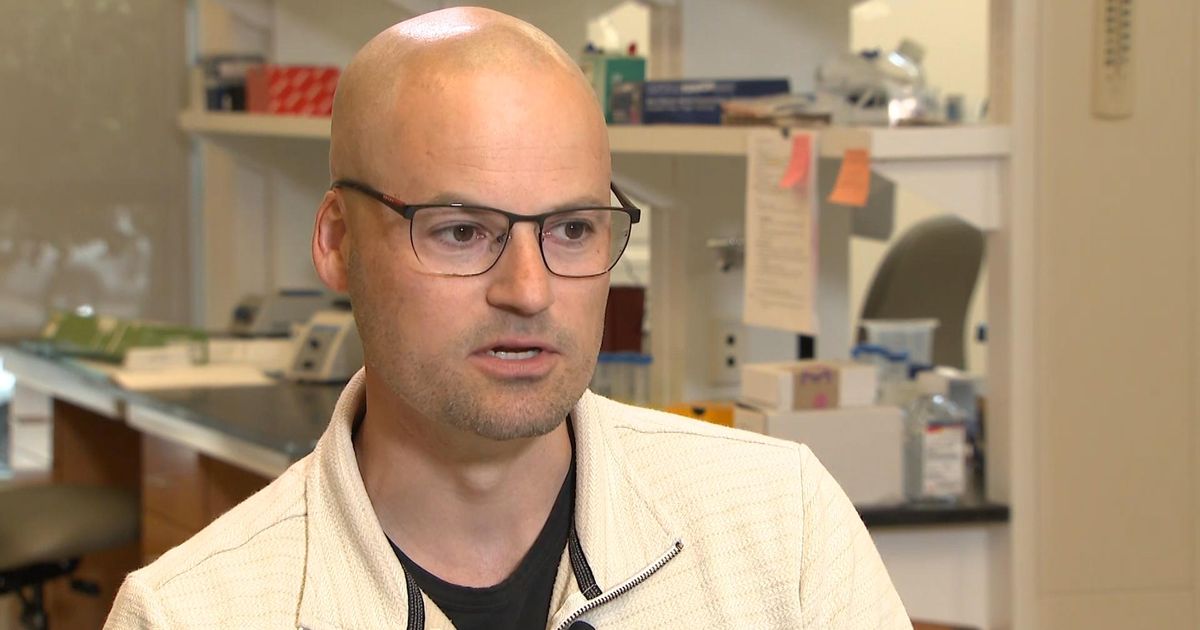
Jonathan Campbell serves as an associate professor of medicine at Duke University. He expressed his career motivation in a statement. "I always wanted to study and sort of devote a career to something people care about," said Jonathan Campbell, a Duke University associate professor of medicine. "But I don’t think I could’ve predicted they would’ve been this impactful."
Campbell's efforts have supported multiple progress points in this area. His studies center on GLP-1s and GIPs. Both are incretin hormones that help explain the mechanisms of these drugs.
Key Insights from Campbell's Work
Campbell points out variations among GLP-1 drugs now on the market and those in development. He finds this topic particularly engaging at present. "I think some of the newest stuff that we’re doing right now that I’m most excited about is talking about how each GLP-1 drug that is currently available and those that are coming in the pipeline are different," he explained.
These differences matter for patient care. No single GLP-1 drug suits everyone. "And why is that important? Because it’s not going to be a one size fits all for GLP1 drugs," he added.
Research on GLP-1s began about 40 years ago. Despite recent popularity, the field remains active. Scientists continue to investigate various aspects of these medications.


Ongoing Challenges in GLP-1 Research
Much remains to learn about these drugs. Safety, effectiveness, and side effect reduction require further study. Proper selection of drugs for individual patients also needs attention.
Campbell outlined these priorities clearly. "There’s a lot of work to do to understand what’s safe, what’s efficacious, how do we minimize side effects, and how do we match the right drug to the right person," he said.
The work builds on decades of prior efforts. Current studies aim to refine knowledge gained over time. This includes better comprehension of hormone interactions like GLP-1s and GIPs.
Duke's local lab contributes to national discussions on these drugs. The research aligns with growing public interest. It addresses both original diabetes applications and new weight loss uses.
Surge in GLP-1 Drug Usage
An estimated one in eight adult Americans now uses a GLP-1 drug. This figure comes from KFF, a nonprofit organization centered on health care topics. The increase reflects broad adoption of these treatments.
Popularity has led to various societal changes. For instance, related stories cover impacts on local businesses, such as a Raleigh restaurant owner adjusting the menu due to GLP-1 use surges. These examples show the drugs' reach beyond medical settings.
WRAL investigative reporter Sarah Krueger covered this Duke research. The story appeared under WRAL specialists and WRAL investigates sections. It highlights ongoing local contributions to GLP-1 advancements.
The article timestamps include 5/5/2026, 9:30:00 PM and 5/5/2026, 11:38:19 PM. These mark key publication points. The focus stays on Campbell's role in shaping future developments for these popular medications.


