copper peptide
3 articles tagged with ‘copper peptide’
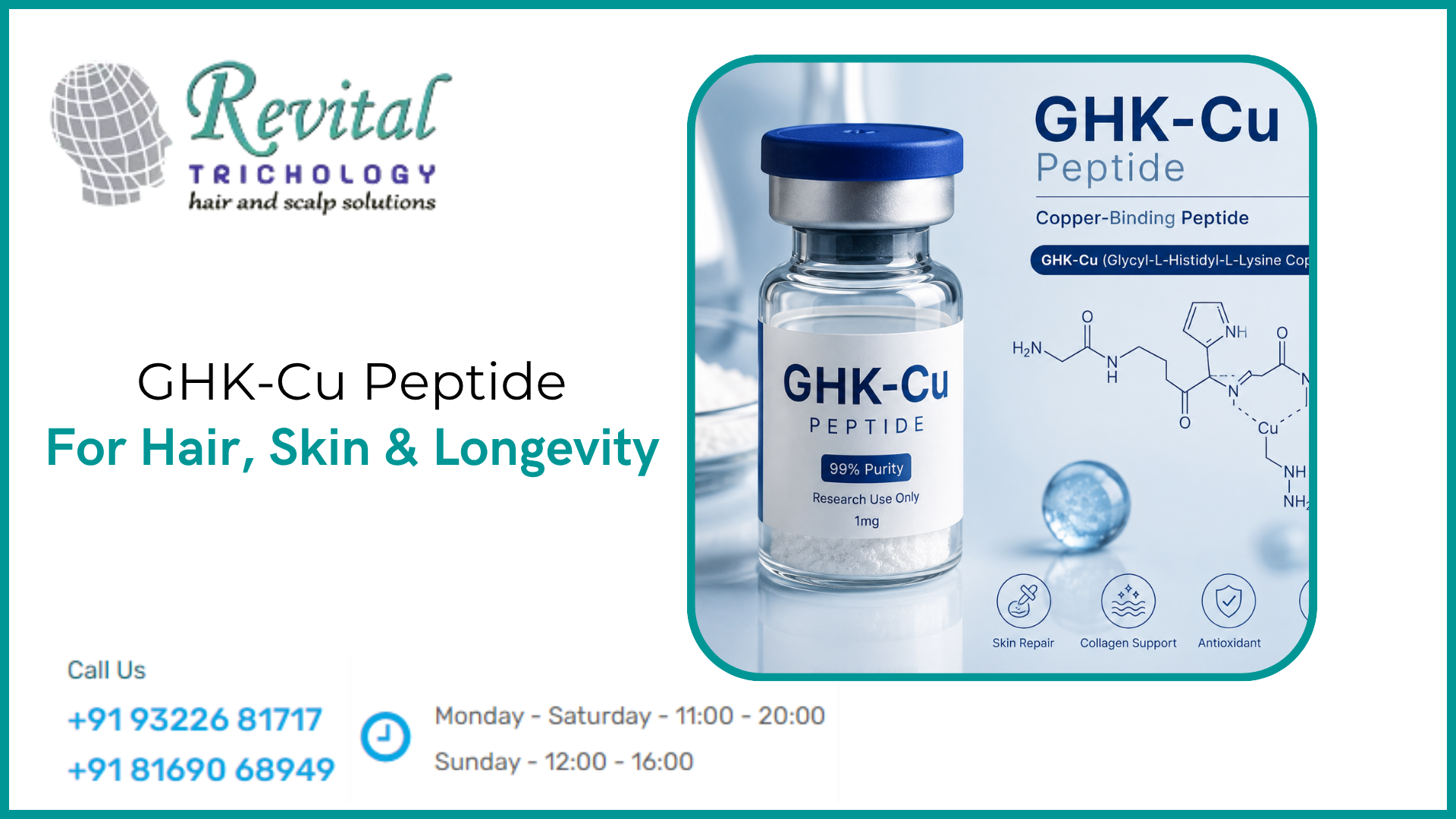
GHK-Cu in Research: Copper Peptide for Cellular Repair Studies
GHK-Cu is a copper tripeptide studied for its role in collagen synthesis, antioxidant gene regulation, and wound healing. This article covers the research background, mechanisms, and practical validation criteria for researchers using GHK-Cu in preclinical models.

GHK-Cu: Copper Peptide in Tissue Repair and Skin Research
GHK-Cu, or glycyl-L-histidyl-L-lysine copper complex, stands out as a naturally occurring peptide central to human tissue maintenance and repair. Found in plasma, saliva, urine, and skin, its levels drop from about 200 ng/mL in young adults with age, linking to reduced regeneration. Preclinical studies highlight its roles in collagen production, wound healing, angiogenesis, anti-inflammation, and more, with the copper complex showing greater potency than unbound GHK.
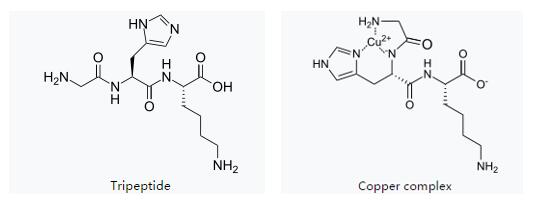
GHK and Copper Peptides: Key Roles in Skin Repair
GHK, or tripeptide-1 (glycyl-L-histadyl-L-lysine), acts as a carrier peptide that stabilizes and delivers copper, forming the GHK-Cu complex. This naturally occurring tripeptide in human plasma, saliva, and urine supports collagen production, wound healing, and anti-inflammatory responses. Research shows GHK-Cu stimulates fibroblasts, inhibits matrix metalloproteinases (MMPs), and promotes hair growth through pathways like Wnt/β-catenin.