stability
6 articles tagged with ‘stability’
MOTS-c Half-Life: What Studies Show and What Remains Unknown
This reference clarifies what primary studies have established about MOTS-c half-life and stability, and identifies the pharmacokinetic questions that remain unanswered in humans.
Peptide Stability: Factors Affecting Degradation in Research Settings
Understanding the chemical and physical degradation pathways that affect research peptides — temperature, pH, oxidation, aggregation, and how to minimize each in your laboratory.

BPC-157 Shelf Life: Lyophilized vs Reconstituted Stability Guide
BPC-157 has a finite shelf life that varies by form and storage. Lyophilized powder lasts 12-18 months refrigerated or 24+ months frozen, while reconstituted solution holds for about 28 days under refrigeration. Factors like temperature, light, and handling influence stability, and researchers should watch for signs of degradation to ensure reliable results.

Key Stability Hurdles for Targeting Peptides in PDCs and ADCs
Peptide instability stands out as the top reason peptide-drug conjugates fail to advance to clinical use, unlike antibody-drug conjugates which more commonly stumble on linker or payload problems. Linear peptides break down quickly in serum due to proteases, lose their binding shape, and get cleared by the kidneys before hitting tumors, causing low payload delivery and unintended toxicity. This article details the chemical and biological stability issues, from proteolysis to linker failures, that undermine these targeted therapies.
Essential Guide to Storing and Handling Lyophilized Peptides
High-quality research peptides demand careful storage from arrival to maintain their potency. Factors like heat, light, moisture, and time can degrade these amino acid chains, even in freeze-dried form. This guide details refrigeration and freezing protocols for both unreconstituted and reconstituted peptides, plus handling tips to ensure reliable results.
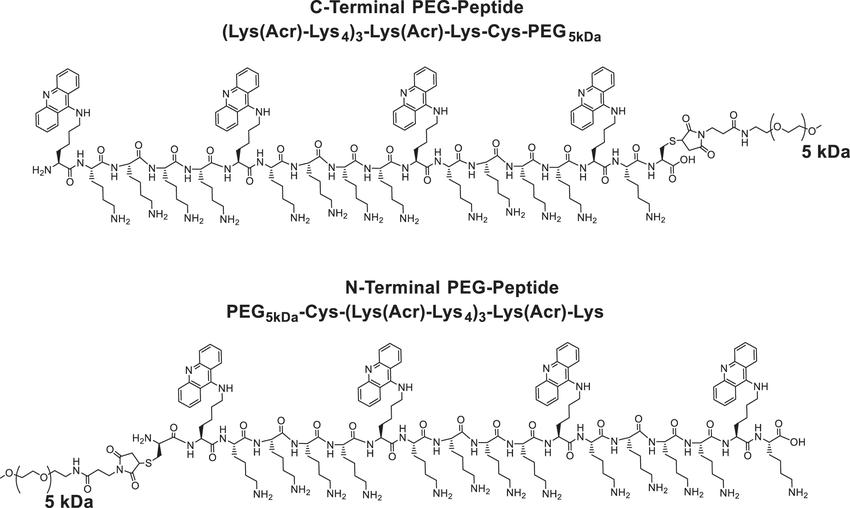
Peptide PEGylation: Boosting Stability and Half-Life
Peptide PEGylation attaches polyethylene glycol chains to peptides, improving solubility, extending circulation half-life, reducing degradation, and lowering immunogenicity. This approach addresses key limitations like rapid enzymatic breakdown and short plasma half-life in peptide therapeutics. It supports research from discovery to preclinical stages with precise synthesis and analysis.