metabolic research
5 articles tagged with ‘metabolic research’
Zepbound in Peptide Research: Sleep, Mood, and Metabolic Context
Zepbound is a brand name for tirzepatide, a dual GIP and GLP-1 receptor agonist. This guide explains where it fits in peptide research, why sleep and mood peptides like DSIP, Selank, and Epitalon matter for metabolic studies, and how to verify compound identity, purity, and stability before any preclinical work. It also maps the Volta tools and research pages that support that validation.
Peptide Therapy Research: Metabolic, Cognitive and Repair Pathways
Peptide therapy is a broad research term covering compounds studied for metabolic, cognitive, and tissue-repair effects. This guide maps the main research categories, including GLP-1 receptor agonists, AOD-9604, Tesamorelin, MOTS-C, and Semax, and explains how to verify identity, purity, and mechanism before designing any experiment.
How Does Semaglutide Work as a GLP-1 Agonist? A Researcher’s Guide
Semaglutide, a GLP-1 receptor agonist, is one of the most extensively researched compounds for metabolic and weight-loss studies. This guide explains its mechanism of action, including appetite regulation, gastric emptying, and insulin secretion, and provides practical research context for qualified investigators. Learn how to verify purity and design protocols using Volta Peptides resources.

Orforglipron in Research: A Guide to GLP-1 Receptor Agonist Studies
Orforglipron is a novel oral GLP-1 receptor agonist under investigation for metabolic conditions. This guide covers its mechanism, research context, and how Volta Peptides supports researchers with high-purity compounds and validation tools.
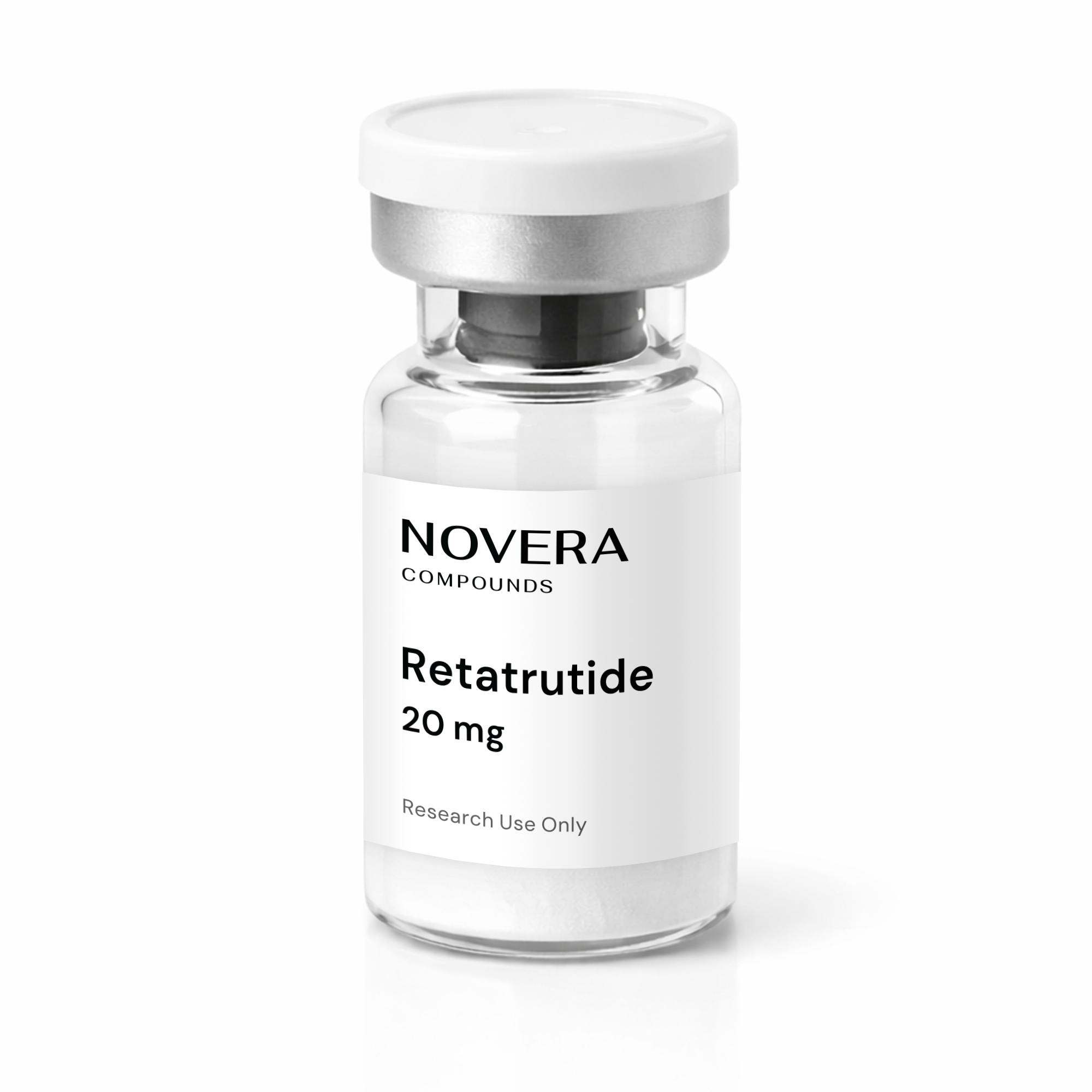
Retatrutide (RETA) Research: Triple Agonist Metabolic Effects
Retatrutide, known online as RETA, acts as a triple hormone receptor agonist targeting GLP-1, GIP, and glucagon pathways in metabolic research. Phase 2 trial data showed up to 17.5% mean body weight reduction at 24 weeks and 24.2% at 48 weeks in the highest-dose group. Studies explore its effects on appetite, glucose control, energy balance, liver fat, and neurological pathways beyond just weight loss.