
Tirzepatide 10mg (Mounjaro)
Research Use Only
Research Use Only
For in vitro laboratory research by qualified professionals only. Not for human or animal administration. Not intended to treat, prevent, mitigate, or cure any disease. Batch-specific Certificates of Analysis available for all products.
Purity / Result
>99.80% +/- 0.18%
Mass / Quantity
10.92 mg
Research Use Only
For in vitro laboratory research by qualified professionals only. Not for human or animal administration. Not intended to treat, prevent, mitigate, or cure any disease. Batch-specific Certificates of Analysis available for all products.
Tirzepatide is a dual agonist of the gastric inhibitory polypeptide receptor (GIPR) and glucagon-like peptide-1 receptor (GLP-1R), with amino acid sequence YE-Aib-GTFTSDYSI-Aib-LDKIAQAFVQWLIAGGPSSGAPPPS. Research shows it decreases HbA1c by 2.4% after six months and aids dose-dependent weight loss of up to 11 kg (25 lbs) over the same period. Tirzepatide improves pancreatic beta cell function, increases insulin secretion only in response to elevated blood glucose, and decreases fasting glucagon levels. It also raises adiponectin levels by up to 26%, increasing insulin sensitivity and fat oxidation. Its GLP-1R activity favors cAMP production over beta-arrestin recruitment, resulting in enhanced receptor activity compared to endogenous GLP-1 and other synthetic agonists. This 10mg vial provides material for comprehensive metabolic pathway research.
Frequently Bought Together
Tirzepatide 10mg
10mg
$34 USD
Bundle & Save
$134 USD
Save $9 USD
$199 USD
Save $19 USD
$244 USD
Save $39 USD
$344 USD
Save $69 USD
Click any product above to toggle selection
Related Peptides


Tirzepatide
Tirzepatide is a synthetic analogue of gastric inhibitory polypeptide (GIP) that was developed for its ability to stimulate insulin release and thus address both type 2 diabetes and non-alcoholic fatty liver disease. Made up of 39 amino acids, the relatively large Tirzepatide stimulates the release of insulin from the pancreas by binding to both GIP and GLP-1 (glucagon-like peptide-1) receptors. Taken over longer periods of time, Tirzepatide increases adiponectin levels by as much as 26% as well[1]. Research shows that Tirzepatide reduces feelings of hunger, lowers insulin levels, and increases insulin sensitivity. Taken together, these effects cause significant weight loss of 11 kg (25 lbs), improve glucose tolerance, decrease fat (adipose) tissue, and reduce cardiovascular risk.
Tirzepatide Structure
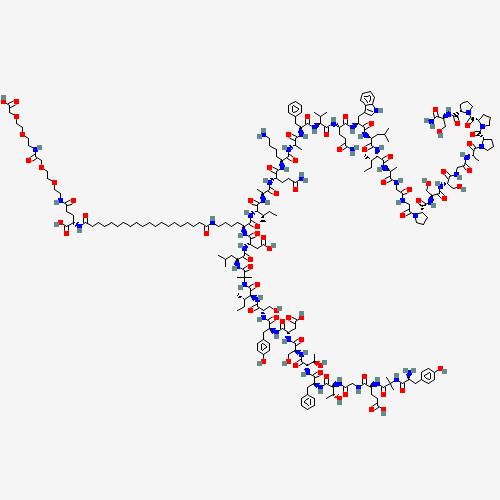
| Amino Acid Sequence | YE-Aib-GTFTSDYSI-Aib-LDKIAQ(C20 fatty acid)AFVQWLIAGGPSSGAPPPS |
| Molecular Formula | C225H348N48O68 |
| Molecular Weight | 4813.527 g/mol |
| PubChem CID | 156588324 |
| CAS Number | 2023788-19-2 |
| Synonyms | P1206, LY3298176 |
What Does Tirzepatide Do?
Simply put, Tirzepatide increases the release of insulin from the pancreas resulting in improved glucose control. Research shows that, in individuals with Type 2 diabetes, Tirzepatide decreases hemoglobin A1c (HbA1c) levels by 2.4% after six months. The peptide also appears to aid in weight loss, showing a dose-dependent relationship and helping individuals lose as much as 11 kg (25 lbs) over six months[1], [2].
Research suggests that the peptide actually improves the function of pancreatic beta cells, the cells that make and release insulin. Studies suggest that Tirzepatide may actually make beta cells more effective at processing insulin, which leads not just to increases in insulin levels in the bloodstream, but decreased stress on the beta cells themselves. This may, in turn, help to slow the progressive nature of type 2 diabetes.
Tirzepatide appears to increase insulin levels only in response to increased blood glucose levels. During fasting, Tirzepatide actually decreases insulin levels and thus helps to increase insulin sensitivity over time. It also decreases fasting levels of glucagon, which are thought to exacerbate hyperglycemia by interfering with hepatic glucose metabolism[3].
How Does Tirzepatide Work?
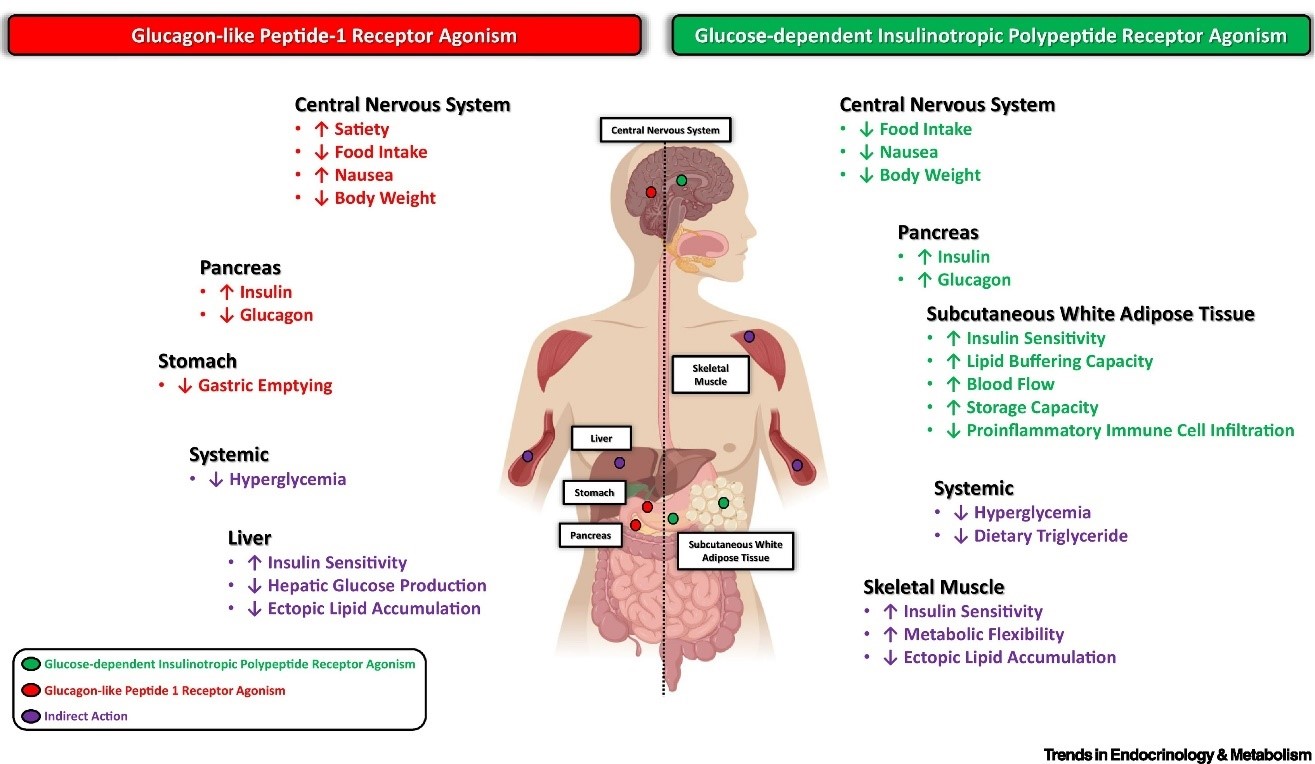
Tirzepatide is a dual agonist of the gastric inhibitory polypeptide receptor and the glucagon-like peptide-1 receptor. Action at these receptors appears to have synergistic effects that make Tirzepatide more effective than strict GLP-1 agonists that are already approved for the treatment of type 2 diabetes.
Gastric inhibitory polypeptide is synthesized naturally in the small intestine. This polypeptide binds to the GIP receptor to inhibit gastric acid secretion and gastrin release while stimulating insulin release. The latter is the primary function of GIP-R and is the primary reason that insulin levels increase following a meal.
Glucagon-like peptide-1 receptors are found on beta cells as well as in neurons in the brain. Activation of GLP-1R increases both insulin synthesis and insulin release. In the brain, GLP-1R stimulation lowers appetite. GLP-1R stimulation also appears to increase beta cell density in the pancreas by enhancing beta cell survival[4].
Research shows that Tirzepatide favors cAMP production over beta-arrestin recruitment when acting at the GLP-1R. This difference in activity from endogenous GLP-1 appears to cause GLP-1R activation without increasing physiological internalization of the receptor, resulting in enhanced GLP-1R activity compared to both endogenous GLP-1 and other synthetic GLP-1R agonists[5].
Tirzepatide and Weight
Tirzepatide use is associated with substantial weight loss over a six-month time interval. A comparison of Tirzepatide to other GLP-1 analogues, like degludec, indicates a striking difference. Whereas Tirzepatide causes a dose-dependent decrease in weight over time, degludec and other GLP-1R agonists cause weight gain[12].
It appears that the GIP agonism caused by Tirzepatide is what is responsible for the peptide's long-term effects on weight. GIP appears to directly impact the insulin-sensitivity of adipocytes, which is likely the mechanism by which Tirzepatide impacts adiponectin levels.
Research shows that GIP signaling in the central nervous system regulates hypothalamic feeding centers leading to decreased food intake and improved glucose handling. This, in turn, leads to decreased body weight[13]. Thus, Tirzepatide impacts weight via adiponectin signaling directly in adipose tissue and via CNS alterations that reduce hunger levels via GIPR signaling in the brain.
Tirzepatide and the Heart
Tirzepatide alters adiponectin levels. Low adiponectin has been associated with atherosclerosis, obesity, and heart disease while increased adiponectin levels have been associated with decreased risk of all of these things. Research in humans with type 2 diabetes has shown that Tirzepatide improves lipoprotein biomarkers, lowering levels of triglycerides, apoC-III, and a handful of other lipoproteins[8].
Increases in adiponectin levels increase HDL levels while decreasing triglyceride levels, both of which are associated with lower risk of heart disease. The peptide hormone appears to go further, reducing scavenger receptors in macrophages and increasing cholesterol efflux to greatly protect against atherosclerosis[9].
GLP-1 signaling has been shown to induce relaxation of blood vessels leading to decreased blood pressure and enhanced end organ perfusion. GLP-1 signaling also appears to decrease inflammation via reduced NF-kB signaling, decreased MMP-9 activity, and inhibited inflammatory cytokine synthesis. These effects appear to last as long as three months after a single dose of a GLP-1R agonist[10]. Tirzepatide is undergoing a clinical trial to further evaluate its medium-term effects on individuals with heart failure[11].
Tirzepatide Summary
Tirzepatide is a synthetic derivative of gastric inhibitory polypeptide (GIP) that has simultaneous glucagon-like peptide-1 (GLP-1) functionality as well. This combination allows Tirzepatide to lower blood glucose levels, increase insulin sensitivity, boost feelings of satiety, and accelerate weight loss. Tirzepatide was developed to fight type 2 diabetes, but has additionally been shown to protect the cardiovascular system and act as a potent weight loss agent.
Tirzepatide for sale at Volta Peptides is limited to educational and scientific research only, not for human consumption. Only buy Tirzepatide if you are a licensed researcher.
Article Author
Dr. E. Logan, M.D. holds a doctorate degree from Case Western Reserve University School of Medicine and a B.S. in molecular biology.
Scientific Journal Author
Dr. Kyle Sloop received a B.Sc. in biology from Indiana University, an M.Sc. in biotechnology from Northwestern University, and a Ph.D. in molecular biology and biochemistry from Purdue University. His research investigates molecular mechanisms that control glucose homeostasis, including insulin secretion and action, with a focus on novel therapeutic targets for metabolic disease.
Referenced Citations
- 1M. K. Thomas et al., "Dual GIP and GLP-1 Receptor Agonist Tirzepatide Improves Beta-cell Function and Insulin Sensitivity in Type 2 Diabetes," J. Clin. Endocrinol. Metab., vol. 106, no. 2, pp. 388-396, Nov. 2020.
- 2T. Min and S. C. Bain, "The Role of Tirzepatide, Dual GIP and GLP-1 Receptor Agonist, in the Management of Type 2 Diabetes: The SURPASS Clinical Trials," Diabetes Ther., vol. 12, no. 1, pp. 143-157, Jan. 2021.
- 3J. P. Frias et al., "Efficacy and Tolerability of Tirzepatide, a Dual Glucose-Dependent Insulinotropic Peptide and Glucagon-like Peptide-1 Receptor Agonist in Patients with Type 2 Diabetes," Diabetes Obes. Metab., vol. 22, no. 6, pp. 938-946, Feb. 2020.
- 4"Resurrecting the Beta Cell in Type 2 Diabetes," Medscape.
- 5F. S. Willard et al., "Tirzepatide is an imbalanced and biased dual GIP and GLP-1 receptor agonist," JCI Insight, vol. 5, no. 17, p. e140532.
- 6M. L. Hartman et al., "Effects of Novel Dual GIP and GLP-1 Receptor Agonist Tirzepatide on Biomarkers of Nonalcoholic Steatohepatitis in Patients With Type 2 Diabetes," Diabetes Care, vol. 43, no. 6, pp. 1352-1355, Jun. 2020.
- 7S. Urva et al., "The Novel Dual Glucose-Dependent Insulinotropic Polypeptide and Glucagon-like Peptide-1 (GLP-1) Receptor Agonist Tirzepatide Transiently Delays Gastric Emptying Similarly to Selective Long-Acting GLP-1 Receptor Agonists," Diabetes Obes. Metab., vol. 22, no. 10, pp. 1886-1891, Jul. 2020.
- 8J. M. Wilson et al., "The Dual Glucose-Dependent Insulinotropic Peptide and Glucagon-like Peptide-1 Receptor Agonist, Tirzepatide, Improves Lipoprotein Biomarkers Associated with Insulin Resistance and Cardiovascular Risk in Patients with Type 2 Diabetes," Diabetes Obes. Metab., vol. 22, no. 12, pp. 2451-2459, Sep. 2020.
- 9H. Yanai and H. Yoshida, "Beneficial Effects of Adiponectin on Glucose and Lipid Metabolism and Atherosclerotic Progression: Mechanisms and Perspectives," Int. J. Mol. Sci., vol. 20, no. 5, p. 1190, Mar. 2019.
- 10M. Tate et al., "Selective targeting of glucagon-like peptide-1 signalling as a novel therapeutic approach for cardiovascular disease in diabetes," Br. J. Pharmacol., vol. 172, no. 3, pp. 721-736, Feb. 2015.
- 11"A Study of Tirzepatide (LY3298176) in Participants With Heart Failure With Preserved Ejection Fraction and Obesity (SUMMIT)," ClinicalTrials.
- 12B. Ludvik et al., "Once-weekly tirzepatide versus once-daily insulin degludec as add-on to metformin with or without SGLT2 inhibitors in patients with type 2 diabetes (SURPASS-3)," Lancet, vol. 398, no. 10300, pp. 583-598, Aug. 2021.
- 13Q. Zhang et al., "The glucose-dependent insulinotropic polypeptide (GIP) regulates body weight and food intake via CNS-GIPR signaling," Cell Metab., vol. 33, no. 4, pp. 833-844.e5, Apr. 2021.
Disclaimer
All articles and product information provided on this website are for informational and educational purposes only. The products offered on this website are furnished for in-vitro studies only. These products are not medicines or drugs and have not been approved by the FDA to prevent, treat or cure any medical condition, ailment or disease.
Related Research News
Tirzepatide vs Retatrutide: Evidence, Mechanisms, Safety
This reference distinguishes randomized trial evidence from extrapolation for tirzepatide and retatrutide, clarifying mechanisms and safety. It highlights the absence of direct head-to-head trials and the limits of current data.
Mounjaro News: GLP-1 Drug May Lower Heart Attack Risk in Type 2 Diabetes
Recent reports suggest that Mounjaro, a GLP-1 receptor agonist for type 2 diabetes, may lower heart attack risk. This analysis explores the news, its potential implications for peptide research, and what it means for the industry.
Tirzepatide Tied to Reduced Heart Attack Risk in High-Risk Patients
A recent report highlights that the GLP-1 drug tirzepatide is associated with a lower risk of heart attacks in patients considered high-risk. The finding adds to growing evidence of cardiovascular benefits for this class of medications. Details from the WDBJ7 report are summarized here.