nad+
6 articles tagged with ‘nad+’
5-Amino-1MQ: NAD+ Salvage Pathway and Metabolic Research — A Scientific Review
Explore 5-Amino-1MQ research: NAD+ salvage pathway, NNMT inhibition, and metabolic effects in preclinical models.
Hallmarks of Aging Part 1: Genomic Instability, Epigenetic Alterations, and Loss of Proteostasis
Hallmarks of Aging Part 1: genomic instability, epigenetic alterations, and loss of proteostasis mechanisms.
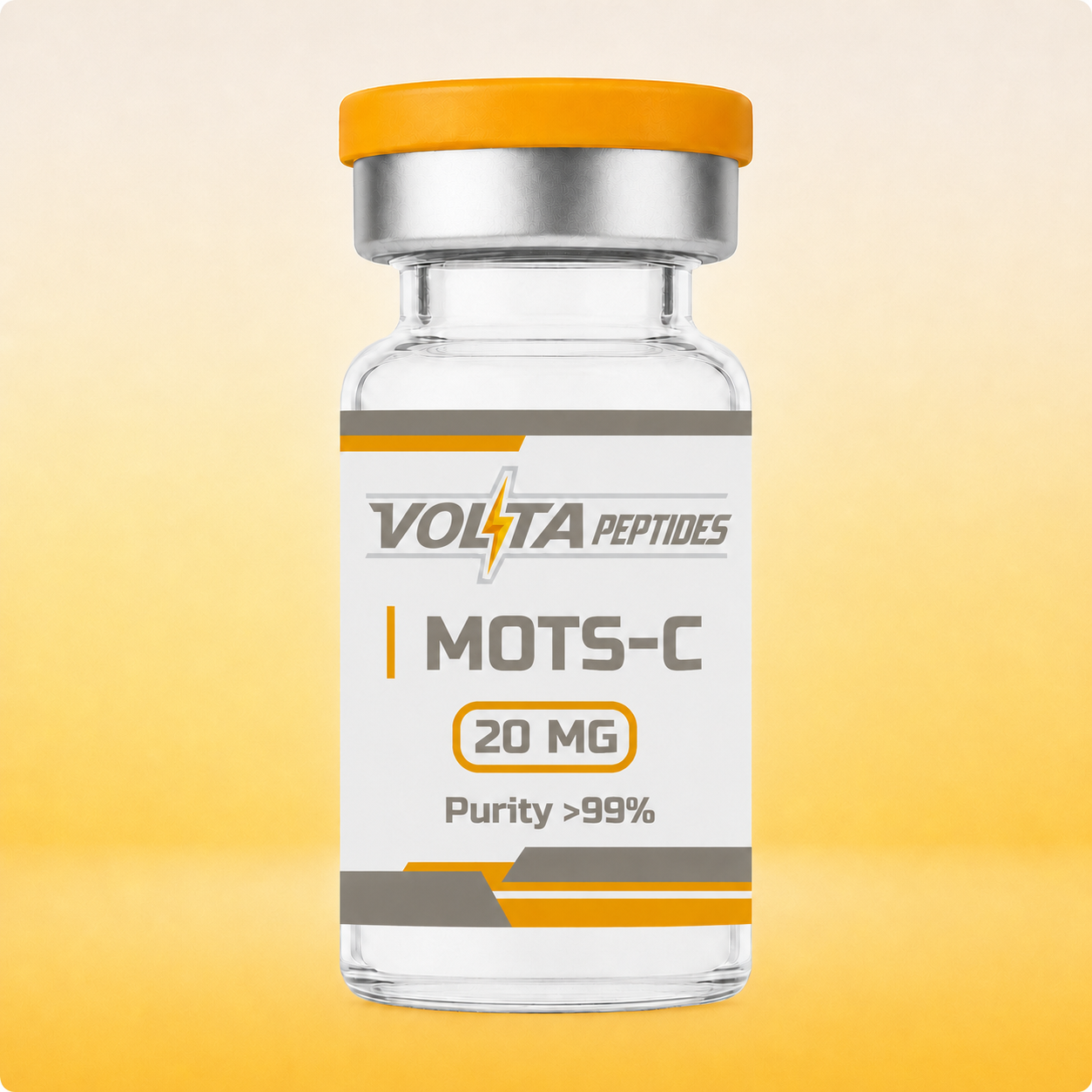
Hallmarks of Aging Part 2: Mitochondrial Dysfunction, Deregulated Nutrient Sensing, and Telomere Attrition — A Research Overview
Explore mitochondrial dysfunction, nutrient sensing, and telomere attrition in aging research. Preclinical evidence and peptide implications.
NAD+ and Glutathione: Anti-Aging Research, Benefits, and Synergistic Potential
Explore NAD+ and glutathione synergy in anti-aging research, mechanisms, preclinical evidence, and safety considerations for laboratory study.

Anti-Aging Peptides: Research Compounds for Metabolism, Muscle, and Tissue Health
Explore a curated selection of anti-aging research peptides including BPC-157, GHK-CU, KPV, MOTS-C, NAD+, Retatrutide, SS-31, TB-500, and others. These compounds are studied for their potential roles in metabolism support, muscle growth, weight loss, and skin, tissue, and bone health. Average purity across products is 99.77%.
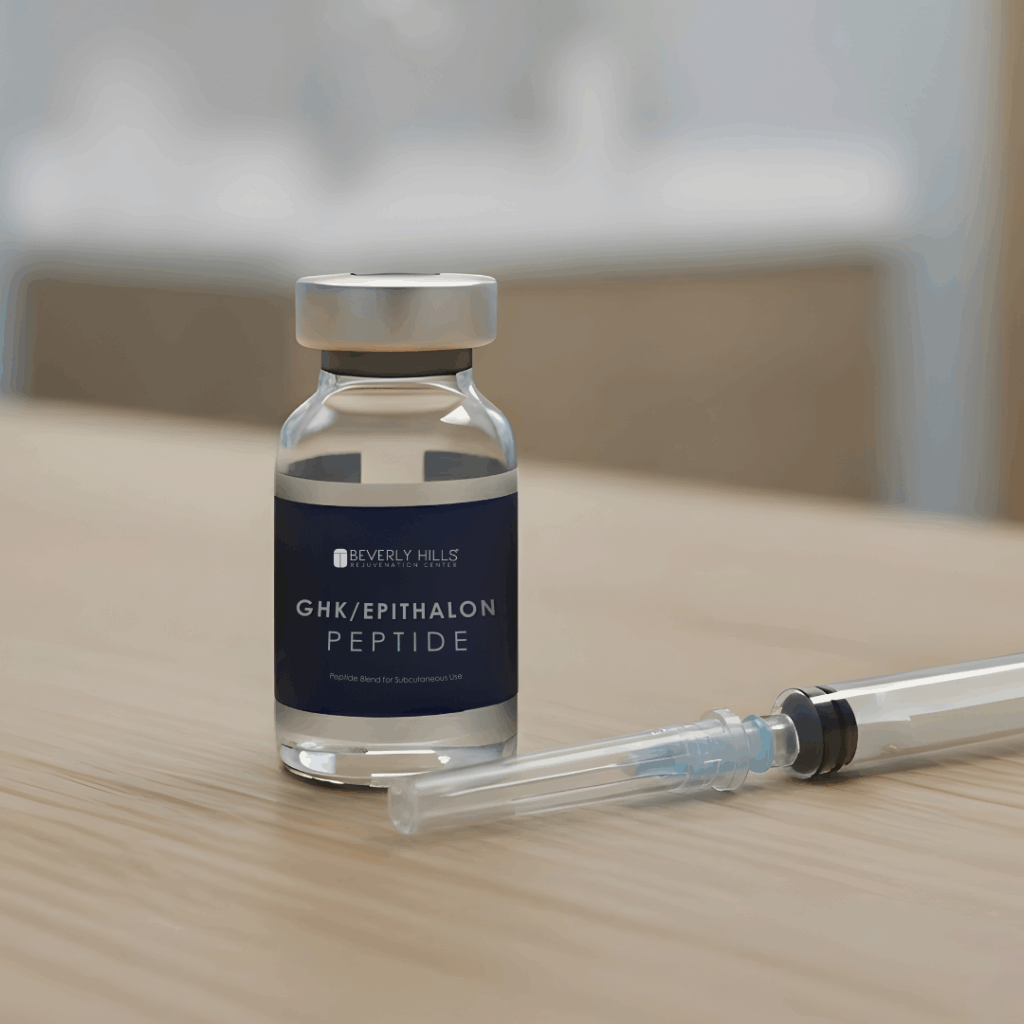
Anti-Aging Peptides: Epithalon, NAD+, GHK-Cu Research
Research on anti-aging peptides targets cellular aging processes like telomere shortening, mitochondrial decline, and gene expression changes. Compounds such as Epithalon from Khavinson’s group, GHK-Cu with over 4,000 gene interactions documented by Pickart, and NAD+ for sirtuin activation show promise in preclinical models. These peptides support studies on telomerase activation, collagen synthesis, DNA repair, and more, with all compounds verified at >99% purity by HPLC and published COAs.