Key Takeaways
- •Medications such as Ozempic treat weight loss, type 2 diabetes, sleep apnea, liver disease, and heart disease.
- •The overall assessment indicates uncertainty.
- •Certain analyses show no clear connection.
Mixed Signals from GLP-1 Research
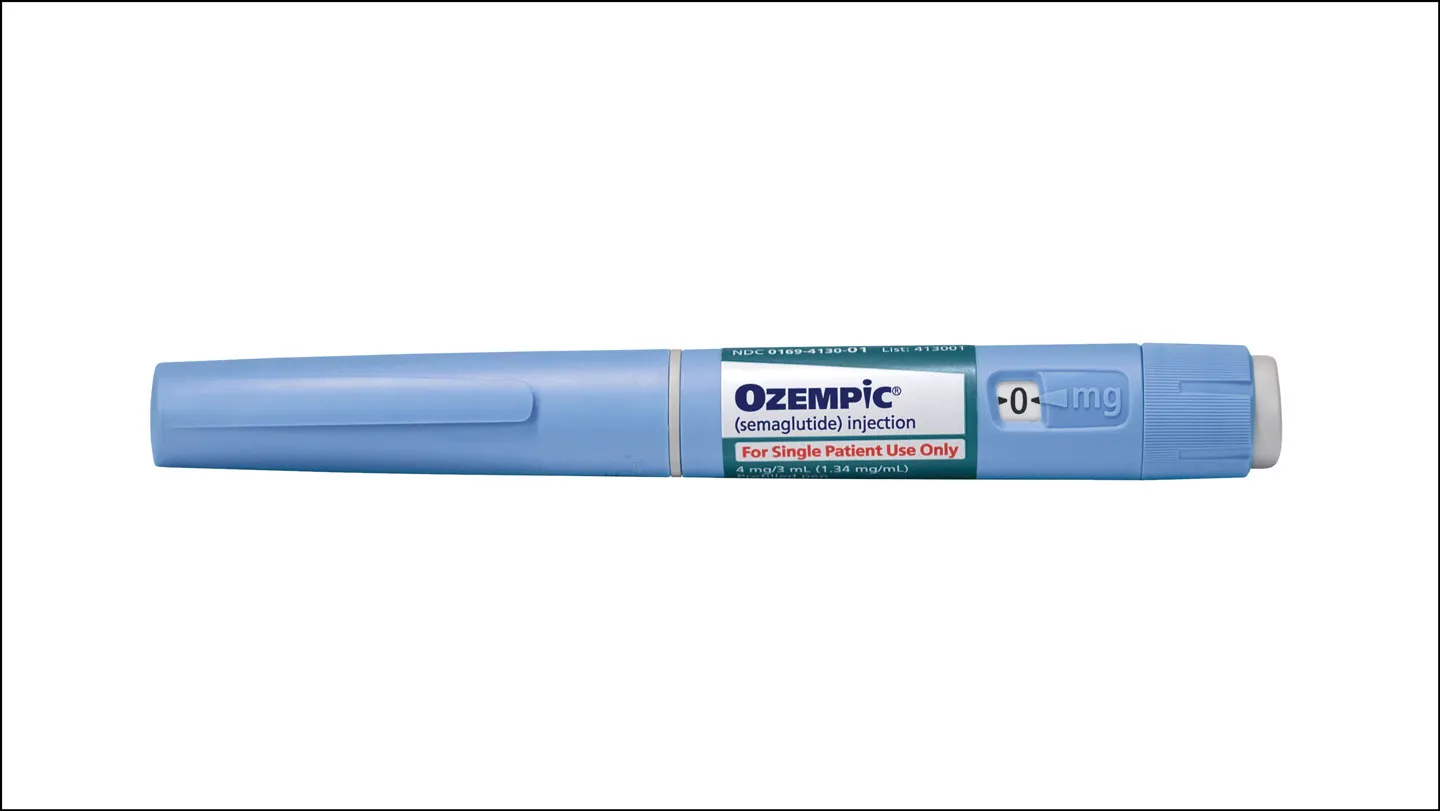
Medications such as Ozempic treat weight loss, type 2 diabetes, sleep apnea, liver disease, and heart disease. Questions persist about their impact on cancer. During an April 18 session at the annual American Association for Cancer Research meeting, researchers provided updates and reviewed evidence on possible cancer prevention effects.
The overall assessment indicates uncertainty. Some investigations suggest advantages from GLP-1 receptor agonists, including better survival rates for cancer patients and lower incidence of cancers linked to obesity. However, findings differ significantly across studies.
Certain analyses show no clear connection. One report pointed to a possible higher risk of kidney cancer among users. Laboratory animal studies raised issues about thyroid cancer risk, but newer findings indicate this risk does not apply to humans.
Expert Assessment of the Data
Jennifer Ligibel, an oncologist at Dana-Farber Cancer Institute in Boston, described the information as disorganized. She noted that GLP-1 drugs have transformed weight management. Still, their influence on cancer stays unresolved, she added.
These treatments consist of semaglutide, marketed as Ozempic, Wegovy, and Rybelsus, plus tirzepatide, sold as Mounjaro and Zepbound. They imitate intestinal hormones involved in digestion and metabolism, leading to weight reduction and various other bodily responses, including some not fully understood.
With additional GLP-1 options entering the market, such as the recently approved oral medication Foundayo, and greater long-term use among patients, clearer insights into cancer risk may emerge.
Interviews with Key Researchers
Stephen Hursting, a specialist in nutrition and cancer at the University of North Carolina at Chapel Hill, stated that firm judgments cannot be formed now. Science News spoke with Hursting, Ligibel, and Jiang Bian, a health data scientist at Indiana University School of Medicine in Indianapolis. The discussions were adjusted for brevity and clarity.
When asked if GLP-1 drugs prevent cancer, Bian replied, "No. But I do think there are some potential benefits." Hursting said, "No. It wouldn’t be surprising, but we need the data to be able to say for sure." Ligibel responded, "No. Not yet. I’m hopeful."
Ligibel explained her optimism by citing bariatric surgery studies, which demonstrate that substantial weight reduction decreases cancer development risk. GLP-1 receptor agonists produce less average weight loss than surgery, though many patients reach significant reductions. She called the evidence promising but not conclusive as an oncologist.
Reasons for Uncertainty and Potential Mechanisms
Bian attributed the lack of clear answers to the novelty and ongoing development of these drugs. Effects can vary by patient, and study groups differ. More information is required, he said.
Hursting pointed out that the latest drugs, like tirzepatide approved for weight loss two and a half years ago, lack sufficient inclusion in existing datasets. Insufficient time has passed to detect cancer impacts, a condition with long latency.
On prevention methods, Hursting described obesity-related changes reversed by the drugs, such as ongoing mild inflammation, impaired immunity, and elevated insulin and leptin levels. Obesity contributes heavily to cancer, and these medications counteract many such factors.
Addressing Safety Concerns and Future Needs
Regarding studies suggesting cancer risks, Ligibel observed inconsistent patterns and minimal worrisome early data. Bian echoed this, stating he holds no current concerns and has used tirzepatide for weight loss over the past two years.
To clarify the drugs' cancer role, Bian advocated randomized clinical trials as ideal, though practical constraints exist, such as inability to track all cancer types over 20 years. A mix of trial data and real-world data from routine patient use is necessary.
Hursting called for expanded animal model research to identify responsive cancers. Ligibel identified major remaining issues, asking, "Do these drugs actual"
Related Research Compounds
Looking for high-purity research peptides? Browse our catalog for HPLC-verified compounds.
| Compound | Purity | Size | Price |
|---|---|---|---|
| Semaglutide 10mg | >99% | 10mg | $49.00 |
| Tirzepatide 10mg | >99% | 10mg | $34.00 |