Key Takeaways
- •Tumor-infiltrating lymphocytes (TILs) are immune cells that have migrated into the tumor microenvironment.
- •TILs are immune cells that infiltrate tumors.
- •Several MAAs are commonly recognized by TILs.
Tumor-infiltrating lymphocytes (TILs) are immune cells that have migrated into the tumor microenvironment. In melanoma, they recognize two main classes of antigens: melanoma-associated antigens (MAAs) and patient-specific neoantigens. This article explains their mechanisms, key targets, and strategies to improve TIL therapy.
What Are TILs?
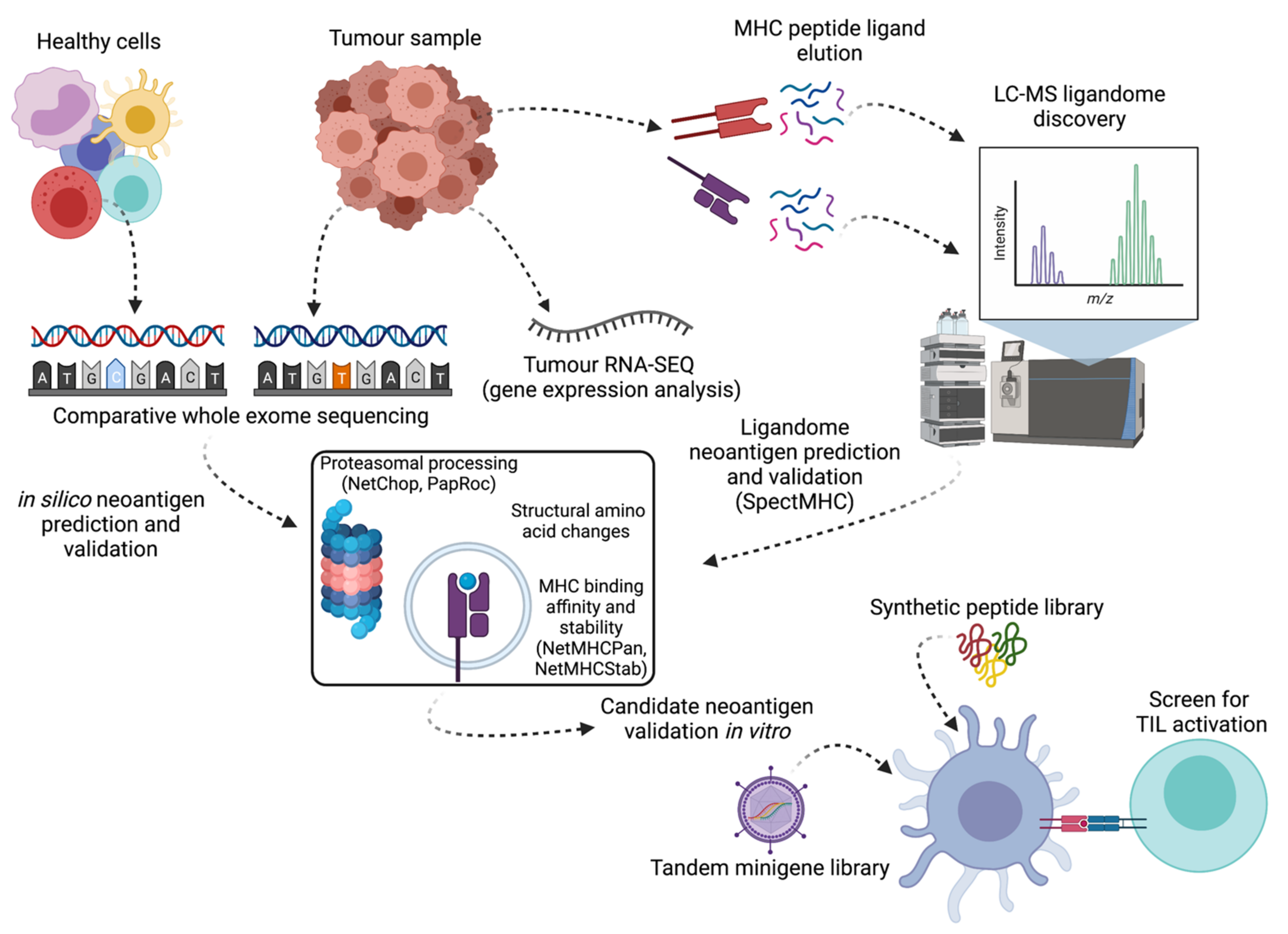
TILs are immune cells that infiltrate tumors. In melanoma, they typically target two categories of antigens. Melanoma-associated antigens (MAAs) are shared tumor or self-antigens often overexpressed in melanoma cells. Neoantigens are patient-specific mutated peptides unique to the tumor.
Melanoma-Associated Antigens (MAAs) Targeted by TILs
Several MAAs are commonly recognized by TILs. Cancer-testis antigens (CTAs) include PRAME (Preferentially Expressed Antigen in Melanoma), the MAGE-A family (A1, A3, A4, A6, A10, A12), and the SSX family (SSX-2, SSX-4). Differentiation antigens include MART-1 or Melan-A, gp100 (PMEL), tyrosinase (TYR), and TRP-1 or gp75.
Validated peptides and peptide pools for many of these antigens, such as PRAME, NY-ESO-1, and MAGE-A, are available for T cell assays, epitope screening, and immunomonitoring. Researchers can use these tools to study TIL responses in melanoma and other cancers. For more on peptide tools, see our Peptide Glossary.
TIL Reactivity to Neoantigens
Neoantigens have key features that make them attractive targets. They are exclusively expressed in tumor cells. They arise from mutations that produce unique amino acid sequences. They are highly immunogenic because the immune system has not developed tolerance to them.
Clinical findings show that neoantigen-specific TILs can expand hundreds-fold in vivo. Responses often correlate with tumor regression and durable remissions. Both CD8+ and CD4+ T cell subsets contribute to tumor killing.
Strategies to Enrich Potent TIL Populations
Several strategies aim to enrich TIL populations with strong antitumor activity. NeoExpand uses selective in vitro expansion of neoantigen-reactive TILs with IL-2 and antigen-presenting cells (APCs). NeoScreen involves pre-exposing tumor cells to selected neoantigens to broaden reactivity. Antigen-specific sorting uses MHC multimers for MAAs or neoantigen peptides.
These approaches help isolate and expand TILs with the best tumor-killing potential. Researchers can use our Reconstitution Calculator to prepare peptide solutions for such assays.
Translational Outlook in Melanoma
MAA-focused approaches allow the use of well-characterized, off-the-shelf peptides. Neoantigen-based approaches deliver unmatched tumor specificity. Combination strategies are under study to maximize TIL diversity and clinical benefit.
For further reading, see our blog post on neoantigen-specific T cells in TIL therapy.
Summary Table
| Antigen Class | Specificity | Clinical Notes |
| , - | , - | , - |
| PRAME, NY-ESO-1, MAGE-A family, SSX-2, SSX-4, MART-1, gp100, Tyrosinase, TRP-1, TRP-2 | Tumor-associated; some expression in healthy tissue | Broader patient coverage; available as validated peptides |
| Neoantigens | Patient-specific mutated peptides | Tumor-exclusive | Requires sequencing and prediction; highly immunogenic |
Other Tumor Types and Other Antigens
While melanoma TILs predominantly target MAAs and neoantigens, in virus-associated cancers such as HPV-positive cervical cancer and EBV-driven nasopharyngeal carcinoma, TILs can also recognize viral antigens like HPV E6/E7 or EBV latent proteins. These are not typically relevant for melanoma but are important in the broader TIL therapy landscape.
Working with Patient-Specific Neoantigens
Custom peptide synthesis is available to support personalized T cell studies and therapeutic development. Researchers can design neoantigen peptides based on patient tumor sequencing data. For more tools, see our Dosage and Cycle Planner.
Literature
Levin, Noam et al. "Neoantigen-specific stimulation of tumor-infiltrating lymphocytes enables effective TCR isolation and expansion while preserving stem-like memory phenotypes." Journal for immunotherapy of cancer vol. 12,5 e008645. 30 May. 2024, doi:10.1136/jitc-2023-008645
Arnaud, M., Chiffelle, J., Genolet, R. et al. Sensitive identification of neoantigens and cognate TCRs in human solid tumors. Nat Biotechnol 40, 656, 660 (2022). https://doi.org/10.1038/s41587-021-01072-6