Key Takeaways
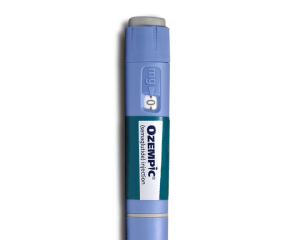
- •Ozempic® delivers semaglutide in prefilled pens with 2 mg or 4 mg doses in 1.5 mL or 3 mL cartridges.
- •Ozempic® contains semaglutide to lower blood glucose levels in adults with type 2 diabetes.
- •The medication supports glycemic control when combined with diet changes and regular exercise.
Semaglutide (Ozempic®): Uses, Dosing, and Key Facts for Type 2 Diabetes
Ozempic® delivers semaglutide in prefilled pens with 2 mg or 4 mg doses in 1.5 mL or 3 mL cartridges. This clear, colorless solution at pH 7.4 treats type 2 diabetes in adults. A healthcare professional can assess suitability based on individual needs.
What Is Ozempic®?
Ozempic® contains semaglutide to lower blood glucose levels in adults with type 2 diabetes. It comes as a prefilled multi-dose disposable pen ready for subcutaneous use. Review the product monograph for full details on risks and benefits.
The medication supports glycemic control when combined with diet changes and regular exercise. It does not replace insulin. Patients should follow advice from their doctor, pharmacist, or nurse on diet and lifestyle.
How Ozempic® Works
This treatment belongs to the glucagon-like peptide-1 (GLP-1) receptor agonists class. Semaglutide prompts the body to release more insulin during high blood sugar periods. Effects begin within hours, but noticeable appetite and weight changes may take weeks or months with gradual dosing.
Approved Uses for Ozempic®
Healthcare providers prescribe Ozempic® once weekly for type 2 diabetes management in adults. It aids blood sugar control with dietary adjustments and physical activity. For precise dosing, consult our Dosage & Cycle Planner.
Administration Instructions
Inject Ozempic® subcutaneously once per week in the upper thighs, front of the abdomen, or upper arms. Pens arrive pre-loaded for ease. Start with a low dose and increase as directed by a practitioner.
Common Side Effects
Users often experience decreased appetite, weight loss, gas or bloating, abdominal pain or distension, nausea or indigestion, gastro-esophageal reflux disease, and constipation. These effects vary by individual. Check our Peptide Glossary for terms like GLP-1 agonists.
Who Should Not Use Ozempic®?
Avoid Ozempic® if under 18 years old, over 65 years old, or managing type 1 diabetes or diabetic ketoacidosis. It is also unsuitable for those with a personal or family history of thyroid tumors, Multiple Endocrine Neoplasia syndrome type 2, pancreatitis, or diabetic retinopathy. Pregnant or breastfeeding individuals should not take it. Always discuss medical history with a healthcare provider.
Drug Interactions to Consider
Certain medications pose risks with Ozempic®. Use diuretics and diabetes treatments only under supervision, as they may cause dehydration or dangerously low blood sugar. Consult a practitioner before combining with drugs for hypertension, heart failure, HIV infection, attention deficit-hyperactivity disorder, appetite suppression or weight loss, decongestants, or asthma.
Our Interaction Checker can help review potential conflicts. Semaglutide reduces appetite, so monitor blood sugar closely with other therapies.
Alcohol Use with Ozempic®
Alcohol is permissible in moderation but carries risks. It can lower blood sugar, raising hypoglycemia chances, especially if replacing meals. Both alcohol and Ozempic® heighten pancreatitis risk. Seek practitioner advice before drinking.
Proper Storage Guidelines
Store Ozempic® between 2°C and 30°C for stability. Refrigeration at 2°C to 8°C works before first use until expiration and after first use for 8 weeks. The current pen stays at room temperature below 30°C for up to 56 days post-first use.
Use our Stability Calculator to track conditions. Avoid extremes to maintain efficacy.
Handling Missed Doses
Do not panic if a dose is missed. If 5 days or less have passed, inject as soon as possible, then resume the regular schedule. For more than 5 days late, skip it and take the next dose on the scheduled day.
Never double up. Consistency supports treatment goals.
In summary, semaglutide via Ozempic® provides targeted support for type 2 diabetes with weekly dosing and clear guidelines. Adhere to storage, interactions, and contraindications for safety. Tools like our Free peptide tools assist with planning and monitoring.
Related Research Compounds
Looking for high-purity research peptides? Browse our catalog for HPLC-verified compounds.
| Compound | Purity | Size | Price |
|---|---|---|---|
| Semaglutide 10mg | >99% | 10mg | $49.00 |