Key Takeaways
- •India approved its first generic version of Ozempic earlier this year.
- •Experts indicate that approved generics will not reach the US market until at least the end of 2031.
- •Countries such as China, Brazil, and South Africa are poised to approve generic versions soon, according to Robin Feldman, a pharmaceutical and intellectual property law expert at the University of California Law San Francisco.
Generic Versions Emerge Outside the US
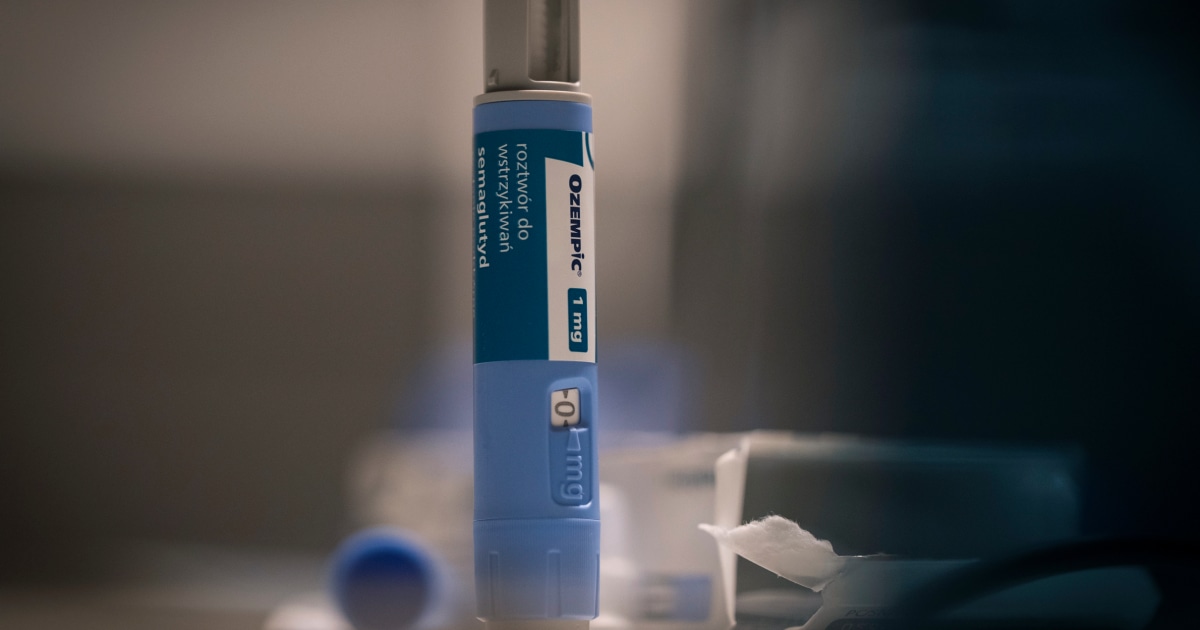
India approved its first generic version of Ozempic earlier this year. Canada granted approval last month. In contrast, the United States faces a much longer wait for generic semaglutide, the active ingredient in Novo Nordisk's Ozempic and Wegovy.
Experts indicate that approved generics will not reach the US market until at least the end of 2031. Arti K. Rai, a professor at the Duke University School of Law and former senior official in the United States Patent and Trademark Office, noted that the timeline could extend much further. This delay stems primarily from features in the US patent system.
Countries such as China, Brazil, and South Africa are poised to approve generic versions soon, according to Robin Feldman, a pharmaceutical and intellectual property law expert at the University of California Law San Francisco. Feldman stated that in other countries, the GLP-1 market is facing a shakeout in 2026. The US follows a separate schedule.
High Costs Drive Demand for Alternatives
Ozempic costs close to $1,000 a month in the United States. Novo Nordisk recently set a lower cash price of $349 a month, yet many patients still face affordability issues without insurance. The company plans to reduce Ozempic's and Wegovy's monthly list prices to $675 starting next year.
These prices have spurred growth in compounded semaglutide products, which are cheaper copies made by compounding pharmacists. Such products lack Food and Drug Administration review or approval for safety and effectiveness, so they do not qualify as true generics. The FDA has stepped up enforcement against them and proposed restrictions on production volumes by compounding pharmacists.
Generic drugs generally offer significant savings over brand-name originals. Lower costs would benefit patients reliant on semaglutide for diabetes or weight management.
Patent Extensions Under Hatch-Waxman
Novo Nordisk filed its initial US patent application for semaglutide in 2006. US drug patents last 20 years from the filing date, pointing to a 2026 expiration. Extensions push back generic entry to at least the end of 2031.
Rai attributes the extra five years to the Hatch-Waxman Act of 1984. This law permits up to five years of patent extension to compensate for time spent on clinical trials and FDA approval. Patent lawyers in the pharmaceutical sector rarely used this provision early on, but its application surged around 2010, according to Rai.
Feldman confirmed that many drug companies now routinely employ this method to prolong exclusivity.
Evergreening Through Secondary Patents
Pharmaceutical firms pursue secondary patents beyond the original molecule patent. Rai explained that while people often associate drug patents with the core molecule, companies file dozens more for profitable assets like Ozempic.
This practice, called evergreening, covers new doses, formulations, or delivery devices to block generics and maintain market control. Mark Lemley, a Stanford Law School professor who teaches intellectual property and patent law, observed that the US has proven more open to these follow-on patents than other nations.
Feldman detailed that semaglutide patents encompass chemical molecules, methods for treating conditions like diabetes, weight loss, and heart disease, plus delivery mechanisms. The Initiative for Medicines, Access, and Knowledge reports Novo Nordisk has submitted at least 49 such patents. These could bar US generics until 2042.
Drug companies maintain that secondary patents safeguard genuine innovations and support research and development funding. A Novo Nordisk spokesperson stated in an email, “All intellectual property decisions are carefully considered at a global level.” Andrew Powaleny, spokesperson for Pharmaceutical Research and Manufacturers of America, noted that medications often have multiple patents because “like any technologically advanced product, they
Related Research Compounds
Looking for high-purity research peptides? Browse our catalog for HPLC-verified compounds.
| Compound | Purity | Size | Price |
|---|---|---|---|
| Semaglutide 10mg | >99% | 10mg | $49.00 |