
Key Takeaways
- •Controlled in vitro immune assays
- •Peptide-HLA binding assessments
- •Functional analysis of NK cell inhibition
- •Only EBV strains producing the high-affinity LMP-1 peptide reactivated in patients.
- •This variant induced overexpression of HLA-E on infected cells.
Understanding how the Epstein-Barr virus (EBV) contributes to lymphoma development has been a long-standing challenge in cancer research. A recent peptide clinical trial using a synthetic LMP-1 peptide has provided a mechanistic explanation for EBV-driven immune escape, opening new avenues for targeted NK cell modulation.
The Research Question
Epstein-Barr virus, a lifelong latent herpesvirus, infects over 90% of the global population. While often asymptomatic, its reactivation has been linked to cancer development, especially lymphomas. However, the exact immune mechanisms enabling this transformation remained unclear.
Researchers at the Medical University of Vienna set out to decode how immune escape mechanisms involving natural killer (NK) cells and HLA-E expression might help EBV-driven tumor development.
The Role of Synthetic Peptides in This Study
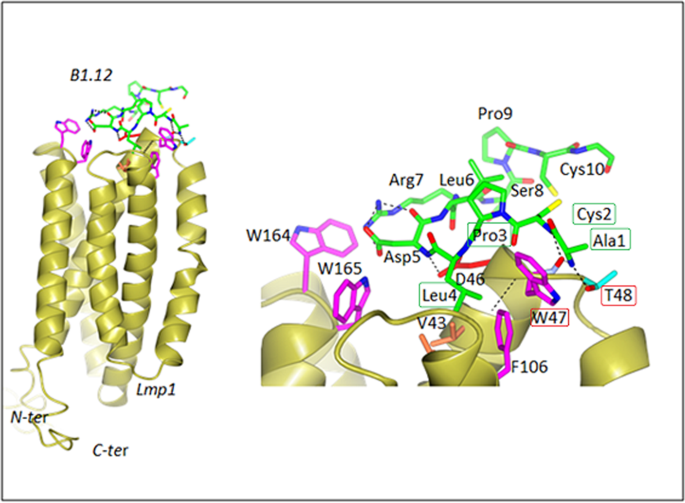
To investigate viral strategies in a controlled environment, the research team required a high-purity, variant-specific LMP-1 peptide. A synthetic supplier produced the GGDPHLPTL variant of the LMP-1 peptide, enabling:
- Controlled in vitro immune assays
- Peptide-HLA binding assessments
- Functional analysis of NK cell inhibition
This peptide clinical trial demonstrates how synthetic peptides can be critical tools for understanding host-virus interactions.
Key Findings from the Peptide Clinical Trial
1. Viral Variants and Immune Escape
In a cohort of 63 lymphoma patients and 192 controls:
- Only EBV strains producing the high-affinity LMP-1 peptide reactivated in patients.
- This variant induced overexpression of HLA-E on infected cells.
- HLA-E was of the high-expressing variant *0103/0103, enhancing NK cell inhibition.
2. Receptor Imbalance
Inhibitory NKG2A receptors were engaged by HLA-E, silencing NK cells. Activating NKG2C receptors were impaired in the lymphoma patients, as is the case in approximately 30% of European subjects. This double effect allowed EBV-infected tumor cells to evade immune clearance.
3. Reversal via Monoclonal Antibodies
Blocking NKG2A with monalizumab restored NK cell activity. Tumor cells were efficiently cleared in vitro after checkpoint inhibition.
Scientific and Clinical Relevance
This study established a functional immune evasion model based on host-virus peptide interactions. It shows that synthetic viral peptides are not only tools for epitope discovery but also key enablers in translational cancer research.
Applications of these findings include:
- EBV and lymphoma diagnostics
- NK cell response modeling
- Checkpoint inhibitor research
- Viral immune escape profiling
- Peptide-based assay development


How Volta Peptides Supports Research Verification
For researchers working with synthetic peptides, verifying quality and consistency is essential. Volta Peptides provides resources to help ensure your research compounds meet rigorous standards.
- Use our Peptide Glossary to understand key terms like HLA-E, NKG2A, and LMP-1.
- Check our BPC-157 Research Guide for examples of how synthetic peptides are characterized in functional assays.
- Explore our latest peptide news for updates on translational research.
Literature
Vietzen H et al. Inhibitory NKG2A+ and absent activating NKG2C+ NK cell responses are associated with the development of EBV+ lymphomas. Front Immunol. 2023 Jun 22;14:1183788.
DOI: 10.3389/fimmu.2023.1183788
Key Takeaway
This peptide clinical trial reveals a clear mechanism by which EBV evades immune detection. For researchers, it highlights the importance of using high-purity, variant-specific synthetic peptides in functional studies. Volta Peptides offers the tools and guides to support your own investigations into peptide-driven immune modulation.
Related Research Compounds
Looking for high-purity research peptides? Browse our catalog for HPLC-verified compounds.
| Compound | Purity | Size | Price |
|---|---|---|---|
| BPC-157 5mg | >99% | 5mg | $34.00 |
| BPC-157 10mg | >99% | 10mg | $44.00 |


