Key Takeaways
- •As a heat wave continues to affect large portions of the United States, doctors are raising concerns about the health risks for individuals taking GLP-1 receptor agonists.
- •GLP-1 receptor agonists mimic the action of the naturally occurring hormone glucagon-like peptide-1.
- •Medical experts point out that GLP-1 drugs can cause dehydration and electrolyte imbalances.
Heat Wave Poses Additional Dangers for GLP-1 Users
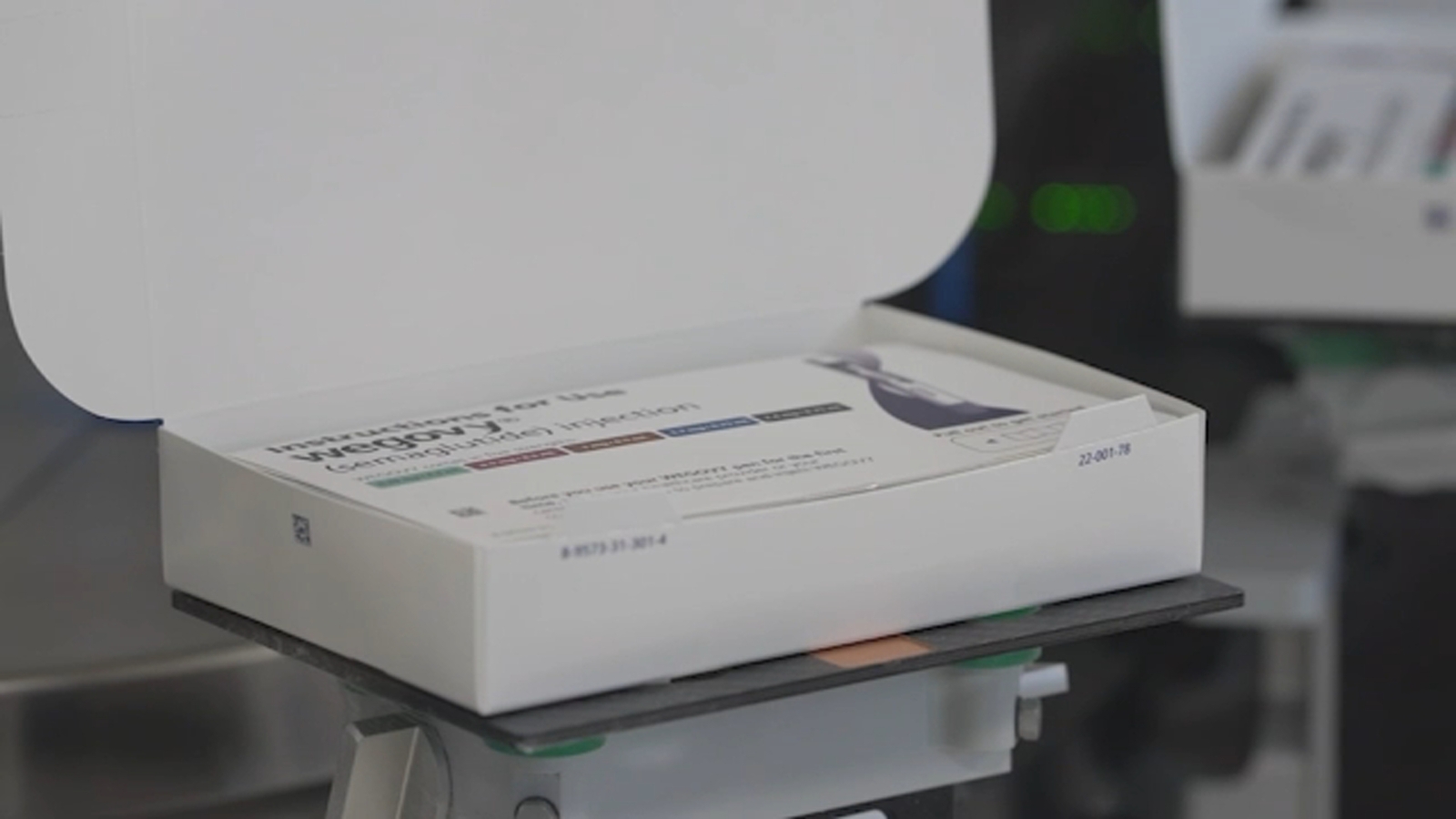
As a heat wave continues to affect large portions of the United States, doctors are raising concerns about the health risks for individuals taking GLP-1 receptor agonists. These medications, which include popular drugs like Ozempic and Wegovy, are used for type 2 diabetes and weight management. However, physicians now warn that the combination of extreme heat and these drugs could lead to serious complications.
GLP-1 receptor agonists mimic the action of the naturally occurring hormone glucagon-like peptide-1. This incretin hormone is released from the gut after eating and stimulates insulin secretion, suppresses glucagon release, and slows gastric emptying. The delayed gastric emptying reduces appetite and promotes a feeling of fullness, which is why these drugs have become highly effective for weight loss and glycemic control. But this same mechanism also carries risks that heat waves can amplify.
Medical experts point out that GLP-1 drugs can cause dehydration and electrolyte imbalances. When patients are exposed to high temperatures, these effects may become more pronounced. The body’s natural cooling mechanisms, such as sweating, can be compromised when electrolyte levels are not properly maintained.
Dehydration and Electrolyte Concerns
Doctors explain that GLP-1 medications slow gastric emptying, which can reduce appetite and fluid intake. This already puts patients at risk for dehydration. During a heat wave, the body loses more fluids through sweat, compounding the problem. If patients do not drink enough water, they may experience dizziness, confusion, or even heat stroke.
The physiological chain of events is straightforward. Gastric emptying governs how quickly the stomach delivers fluids and food to the small intestine for absorption. When this process is slowed, the sensation of thirst may also be blunted because thirst is partly driven by the volume of fluid in the stomach and by plasma osmolality. Patients on GLP-1 drugs often report reduced hunger and a lower desire to eat and drink. In normal conditions, this might lead to mild, manageable dehydration. But during a heat wave, ambient temperatures can push core body temperature upward, increasing sweat rates. Sweat is mostly water, but it also contains sodium, chloride, potassium, and other electrolytes. If a patient is already underhydrated, the additional fluid loss through sweating can rapidly precipitate volume depletion.
Electrolyte imbalances are another major concern. GLP-1 drugs can affect sodium and potassium levels. When combined with excessive sweating from high temperatures, these imbalances can become dangerous. Symptoms may include muscle cramps, irregular heartbeat, and fatigue. In severe cases, hospitalization may be required.
The impact on electrolytes is multifactorial. First, reduced food intake means lower dietary sodium and potassium intake. Second, some GLP-1 drugs can cause nausea, vomiting, or diarrhea, especially when starting therapy or after dose escalation. These gastrointestinal side effects directly remove electrolytes from the body. Third, the body’s compensatory mechanisms for heat stress involve increasing aldosterone and antidiuretic hormone, which attempt to conserve sodium and water. However, if a patient is dehydrated and also has depleted potassium, the risk of cardiac arrhythmias rises. Muscle cramps are often the first sign of electrolyte disturbances, followed by weakness and dizziness. In more severe cases, heat exhaustion can progress to heat stroke, a life-threatening condition in which core body temperature exceeds 104°F and the thermoregulatory system fails.
Recommendations for Patients
Health care providers are advising patients on GLP-1 medications to take extra precautions during the heat wave. They recommend drinking plenty of water throughout the day, even if not feeling thirsty. Patients should also avoid prolonged exposure to the sun and stay in air-conditioned environments when possible.
Because thirst sensation can be suppressed, conscious hydration is essential. Doctors suggest sipping water at regular intervals rather than waiting until the mouth feels dry. Ideally, patients should also consume fluids that contain electrolytes, such as oral rehydration solutions or low-sugar sports drinks, especially if they are sweating heavily or if the heat wave is accompanied by high humidity. Avoiding alcohol and caffeine, which are diuretics, is also prudent.
Doctors suggest monitoring for signs of dehydration, such as dark urine, dry mouth, and headaches. If any of these symptoms appear, patients should seek medical attention promptly. Additionally, those taking GLP-1 drugs should consult their physicians about adjusting their medication or fluid intake during extreme weather events.
Some patients may benefit from a temporary dose reduction or from delaying dose increases until the heat wave passes. However, any medication changes must be made in consultation with a healthcare provider. Self-adjusting GLP-1 doses can lead to poor glucose control or worsened side effects.
Broader Implications
The warning comes as climate change leads to more frequent and intense heat waves. Public health officials are increasingly concerned about vulnerable populations, including those on chronic medications. GLP-1 drugs have seen a surge in popularity in recent years, meaning a growing number of people may be at risk.
The number of prescriptions for GLP-1 receptor agonists has skyrocketed as their weight loss benefits have become widely recognized. According to recent prescribing data, millions of Americans now take these drugs. The demographic using them for weight management often includes younger, otherwise healthy individuals who may not consider themselves vulnerable to heat-related illness. However, any person on a medication that alters fluid and electrolyte balance is at greater risk during extreme heat events.
Climate projections indicate that heat waves in the United States are becoming longer, hotter, and more frequent. The combination of a growing population taking GLP-1 drugs and a warming climate creates a public health challenge that requires proactive education. Hospitals and emergency departments are already seeing increased visits for heat-related illness during heat waves, and patients on these medications may represent a growing subset of those cases.
While the immediate focus is on the current heat wave, doctors emphasize that this is a long-term concern. Patients should remain vigilant during any period of extreme heat, not just during the current event. Medical professionals urge continued education about the interactions between prescription drugs and environmental conditions. For researchers and biohackers, this situation highlights the importance of understanding pharmacodynamics in real-world contexts. The physiological effects of GLP-1 agonists extend beyond weight loss and glucose control; they modulate gastrointestinal motility, fluid balance, and electrolyte homeostasis. Climate change is forcing the medical community to consider how drugs interact with environmental stressors, and GLP-1 drugs are a prominent example.
Frequently Asked Questions
Q: What exactly causes the increased risk of dehydration with GLP-1 drugs during a heat wave?
A: GLP-1 receptor agonists slow gastric emptying, which reduces appetite and food intake. Since a significant portion of daily fluid intake comes from food and from the act of eating (drinking with meals), patients often consume less total fluid. The drugs can also blunt thirst sensation. During a heat wave, the body loses extra water through sweat. Together, these factors make it easier to become dehydrated, leading to dizziness, confusion, or heat stroke.
Q: Should I stop taking my GLP-1 medication during a heat wave?
A: No, you should not stop your medication without consulting your doctor. Abrupt discontinuation can lead to loss of glycemic control in diabetes patients or weight regain. Instead, speak with your healthcare provider about whether a temporary dose adjustment is appropriate. Focus on increasing fluid intake, staying cool, and monitoring for signs of dehydration. Your doctor can give personalized advice based on your specific health status.
Q: What electrolyte imbalances are most common with GLP-1 drugs in hot weather?
A: The most common imbalances involve sodium and potassium. Reduced food and fluid intake lowers both electrolytes. Sweating primarily removes sodium and chloride, but potassium losses also occur. When combined with possible gastrointestinal side effects like vomiting or diarrhea, potassium levels can drop dangerously low, increasing the risk of muscle cramps and cardiac arrhythmias. Hyponatremia (low sodium) can occur if plain water is consumed without electrolytes, diluting the blood.
Q: How can I tell if I am getting dehydrated when taking these drugs?
A: Check the color of your urine: dark yellow or amber suggests dehydration. Dry mouth, headache, fatigue, and dizziness are early warning signs. If you feel dizzy when standing up, your blood pressure may be dropping due to volume depletion. Monitor these symptoms and increase fluid intake immediately. If symptoms worsen, or if you develop a rapid heart rate, confusion, or cannot keep fluids down, seek medical care right away.