Key Takeaways
- •Reduced inflammation²,³
- •Enhanced wound healing⁴
- •Reduced scar formation⁵
- •Increased muscle mass and strength⁶,⁷
- •Increased rate of fat metabolism⁸
The Biochemical Nature of Peptides
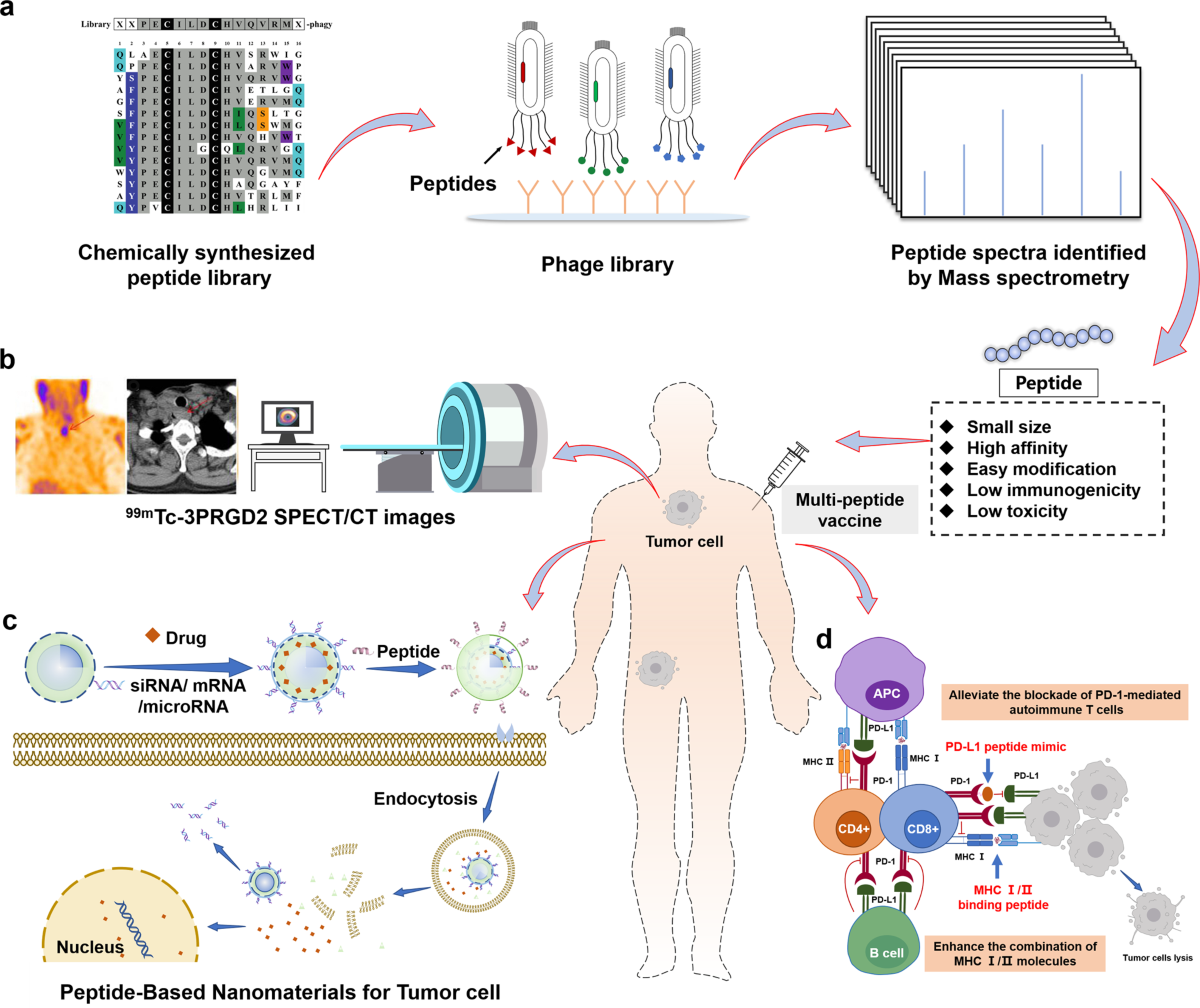
Peptides and proteins are both composed of amino acids linked by peptide bonds, forming polymeric chains. The distinguishing factor between peptides and proteins is molecular size. While no absolute boundary exists, peptides consist of fewer amino acid residues and are significantly smaller than proteins. Generally, any amino acid chain exceeding fifty residues in length is classified as a protein. This threshold exists because chains longer than fifty amino acids begin to fold upon themselves, generating secondary structures such as alpha-helices and beta-sheets. Peptides remain predominantly linear with minimal secondary structure—though lariat loops are occasionally observed—which justifies this size-based classification.
Thus, peptides represent smaller, structurally simpler analogs of proteins. However, this description understates their biological significance. Research indicates that peptides function primarily as signaling molecules, modulating the dynamics of major physiological systems. Studies demonstrate that peptides influence immune regulation, growth hormone secretion, extracellular matrix synthesis, neuronal growth and migration, and numerous additional processes. Peptides act as molecular keys that initiate or terminate critical biochemical cascades, rendering them essential for proper biological function.
It is noteworthy that humans consume peptides daily. Foods such as eggs, milk, beans, meat, oats, and wheat contain peptides, proteins, and other bioactive molecules. Furthermore, many commercially available supplements, energy drinks, and health products are enriched with peptides intended to support body composition, enhance energy metabolism, and facilitate digestion. Common examples of peptides found in everyday consumer products include collagen and creatine.
Classifications of Peptides
Peptides are conventionally categorized according to their functional roles. Examples include antibacterial peptides, vaccine peptides, and anticancer peptides. Unfortunately, these categories frequently overlap, complicating strict classification. For instance, brain peptides and immune peptides often share functional domains. Similar overlap exists among skin peptides, immune peptides, and tendon peptides. Categorizing peptides based solely on tissue localization proves impractical because many peptides are distributed across multiple tissue types.
An alternative classification approach considers predominant biological actions. Under this framework, peptides may be grouped as healing peptides, growth peptides, longevity peptides, fat-burning peptides, anti-inflammatory peptides, and others. While this method offers improvements, it remains complicated by the fact that most peptides exhibit multifunctional properties. BPC-157, for example, functions both as a healing peptide and an anti-inflammatory peptide.
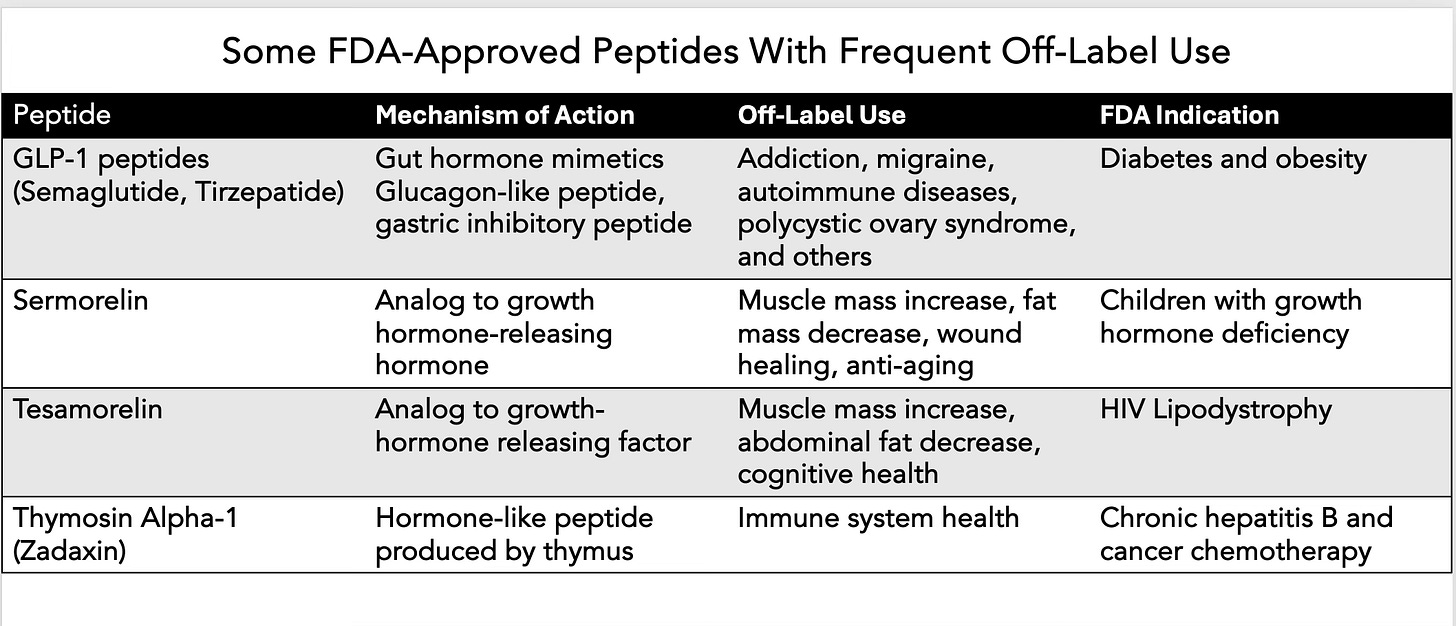
Researchers should avoid rigid adherence to categories such as "brain peptide" or "healing peptide," as these labels often fail to capture the full spectrum of a peptide's biological activity. A more effective approach involves examining the specific biochemical pathways a peptide influences. Sermorelin acetate, for instance, modulates the growth hormone (GH) pathway. This interaction produces diverse effects, including enhanced muscle growth, fat metabolism, telomerase stimulation, and additional downstream consequences. Understanding the biochemical pathways that peptides engage allows for more accurate categorization of both their activities and potential side effects—proving more useful than knowledge of their tissue distribution alone.
Current Research Applications of Peptides
Peptides are increasingly incorporated into anti-aging formulations, cosmetic products, and experimental therapeutic protocols. Understanding peptides and their research applications is valuable not only for informed consumers but also for scientists seeking to optimize healthspan and mitigate age-related decline. Numerous peptides have demonstrated beneficial effects in preclinical and clinical research across various health concerns, though the volume of information can be overwhelming. Research continues to elucidate how specific peptides may reduce inflammation, eliminate microorganisms, slow aspects of aging, and promote wound healing.
Key Considerations in Peptide Research
The most critical insight regarding health-related peptides in contemporary research is their fundamental importance to nearly every aspect of physiological function and longevity. Research over recent decades has revealed that peptides play pivotal roles in modulating the aging process, controlling inflammatory responses, combating infection, accelerating wound repair, enhancing cognitive function, and altering body composition.
Modern medicine has gradually recognized that peptides represent more than mere research curiosities. Evidence indicates that peptides can optimize physiological well-being by restoring balance to biological systems. Sermorelin exemplifies this principle.
Research demonstrates that the age-related decline in growth hormone (GH) secretion is not merely a consequence of aging but also a significant driver of the aging process itself. Although this presents a chicken-or-egg paradox, studies on GH modulation are clear: restoring GH levels to more youthful ranges using peptides such as sermorelin produces multiple benefits, including increased muscle mass, reduced adipose tissue, improved cardiac function, enhanced memory and cognition, and better sleep quality¹.
Collagen, a peptide found in numerous topical skincare products, has been utilized for an extended period. Other peptides, including PT-141 and BPC-157, despite having been studied for considerable time, have only recently gained widespread research attention. The coming decades are expected to witness substantial growth in peptide research as funding increasingly targets these versatile biomolecules.
Documented Benefits of Health Peptides in Research
Studies conducted in both animal models and human subjects indicate that health peptides can produce a range of beneficial effects. Documented outcomes include:
- Reduced inflammation²,³
- Enhanced wound healing⁴
- Reduced scar formation⁵
- Increased muscle mass and strength⁶,⁷
- Increased rate of fat metabolism⁸
- Improved insulin sensitivity⁹
- Increased bone strength and density¹⁰
- Improved immune function¹¹
- Improved sleep quality¹²
- Enhanced memory and concentration¹³,¹⁴
- Improved skin tone and elasticity¹⁵–¹⁷
Research on Slowing the Aging Process
A subset of peptides, including sermorelin and epithalon, has been shown to influence the aging process at the genomic level. These peptides activate telomerase, an enzyme that protects and repairs the terminal caps of DNA known as telomeres. Telomere degradation over time serves as a primary signal for cells to determine whether division and growth should proceed. When telomeres become critically short, cells cease division, leading to tissue decline. By protecting telomeres, peptides such as sermorelin may slow the rate of tissue deterioration¹⁸,¹⁹.
Additional strategies for slowing aging involve preventing DNA damage. Peptides that reduce oxidative damage include sermorelin, epithalon, ipamorelin, CJC-1295, BPC-157, and others. These peptides exhibit antioxidant properties and may prevent damage associated with cancer, cardiovascular disease, dementia, and other age-related pathologies²,²⁰,²¹.
Furthermore, it is possible to reduce visible signs of aging independently of slowing the biological aging process. Many peptides can achieve this effect, including those listed above as well as collagen, melanotan, and PT-141. Research suggests these peptides may reduce wrinkle appearance, improve skin elasticity, enhance extracellular matrix production, improve body composition, and promote even skin tone.
Research on Accelerated Wound Healing
Peptides can improve wound healing through multiple mechanisms, including modulation of the growth hormone axis, enhancement of cell migration rates, reduction of inflammation, and increased deposition of extracellular matrix components. Peptides such as VIP, KPV, BPC-157, sermorelin, and hexarelin demonstrate these capabilities. Studies indicate that these peptides can improve wound strength and reduce scar formation.
BPC-157 is widely recognized for its healing properties, particularly its ability to accelerate tendon repair. Tendons are notoriously slow to heal, but research demonstrates that BPC-157 not only expedites the healing process but also improves its efficacy. Tendons treated with BPC-157 exhibit greater strength compared to placebo-treated controls⁴,²²–²⁵.
Other peptides, including TB-500 and KPV, possess antimicrobial properties that support sterile wound healing. Infection is a well-known complication that impairs healing; therefore, factors that limit infection positively influence wound repair rates²⁶,²⁷.
Additional peptides increase angiogenesis, the formation of new blood vessels, thereby facilitating nutrient and cellular delivery to injury sites²⁸. Multiple mechanisms exist through which health peptides influence both the rate and quality of wound healing. Considerable research is underway to understand how these peptides affect healing in the context of chronic diseases such as diabetes and other immune-compromising conditions.
Research on Lean Body Mass Development
Three primary approaches exist for improving lean body mass: increasing muscle, reducing fat, and building bone. Promoting a shift toward lean body mass represents an effective strategy for improving health by reducing the risk of serious chronic conditions such as diabetes and cardiovascular disease.
Numerous peptides can perform any one of these functions, while others can achieve all three. Sermorelin, CJC-1295, GHRP-2, and related peptides affect the GH axis, producing increases in bone density and muscle mass while facilitating fat metabolism²⁹. Ipamorelin exhibits similar properties but demonstrates enhanced bone-strengthening effects, leading to its investigation as a potential therapeutic agent for osteoporosis¹⁰.
Peptides such as AOD9604 and Tesofensine function as targeted fat-burning agents. While this can redirect metabolic resources toward bone and muscle development, these are primarily lipolytic peptides⁸,³⁰. When combined with exercise and appropriate dietary regimens, these peptides may produce substantial fat reduction as well as improvements in blood glucose levels, insulin resistance, and glucose tolerance³¹.
In summary, a variety of health peptides have been identified through research that can shift physiological balance toward lean body mass and, consequently, improved general health. Ongoing research aims to understand not only the therapeutic applications of these peptides but also their utility in investigating the mechanisms governing body composition and identifying root causes of conditions such as metabolic syndrome.
Summary of Peptide Research
Peptides occur naturally in foods and are frequently added to supplements, energy drinks, and fitness products to enhance efficacy and support health. Health-related peptides exhibit diverse applications and can influence biochemical pathways controlling growth, body composition, cognitive function, immune response, and longevity.
Peptide research continues to advance, uncovering not only beneficial properties of these short proteins but also improved methods for storage, delivery, and administration. The coming decade is expected to yield new insights into the capabilities of peptides and their potential to modulate biochemistry in ways that may mitigate disease, dysfunction, and age-related decline.
References
- Schally, A. V. et al. Actions and Potential Therapeutic Applications of Growth Hormone-Releasing Hormone Agonists. Endocrinology 160, 1600–1612 (2019).
- Recinella, L. et al. Antiinflammatory, antioxidant, and behavioral effects induced by...
Reviewed by the Volta Peptides Research Team