sermorelin
5 articles tagged with ‘sermorelin’
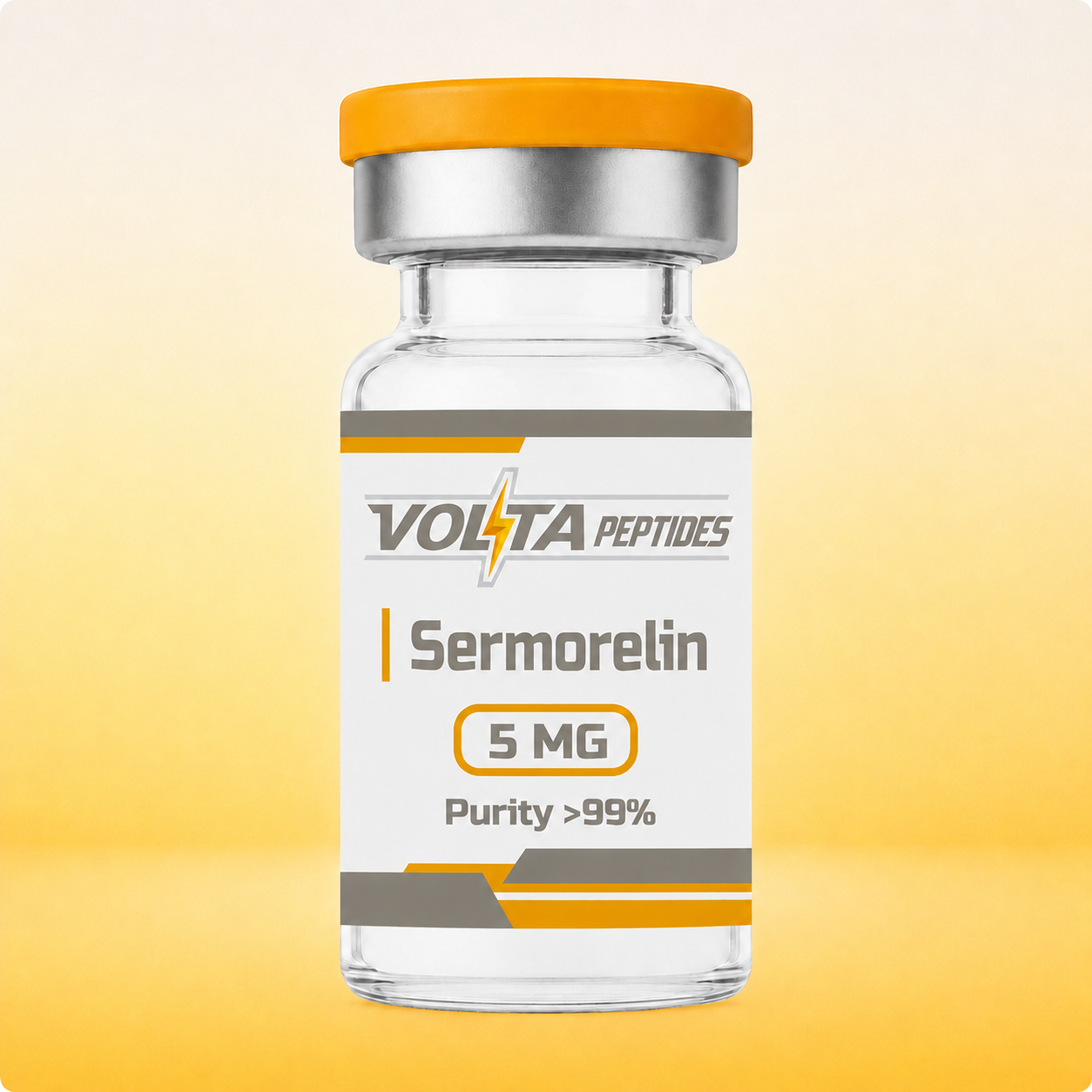
CJC-1295 vs Sermorelin: Comparing Growth Hormone-Releasing Peptides
Compare CJC-1295 vs Sermorelin for growth hormone release. Analyze mechanisms, preclinical data, and research limitations for these GHRH analogs.
Tesamorelin vs Sermorelin: Comparing GHRH Analogues in Research
Compare tesamorelin vs sermorelin GHRH analogues for research. Explore mechanisms, preclinical findings, and evidence limitations.
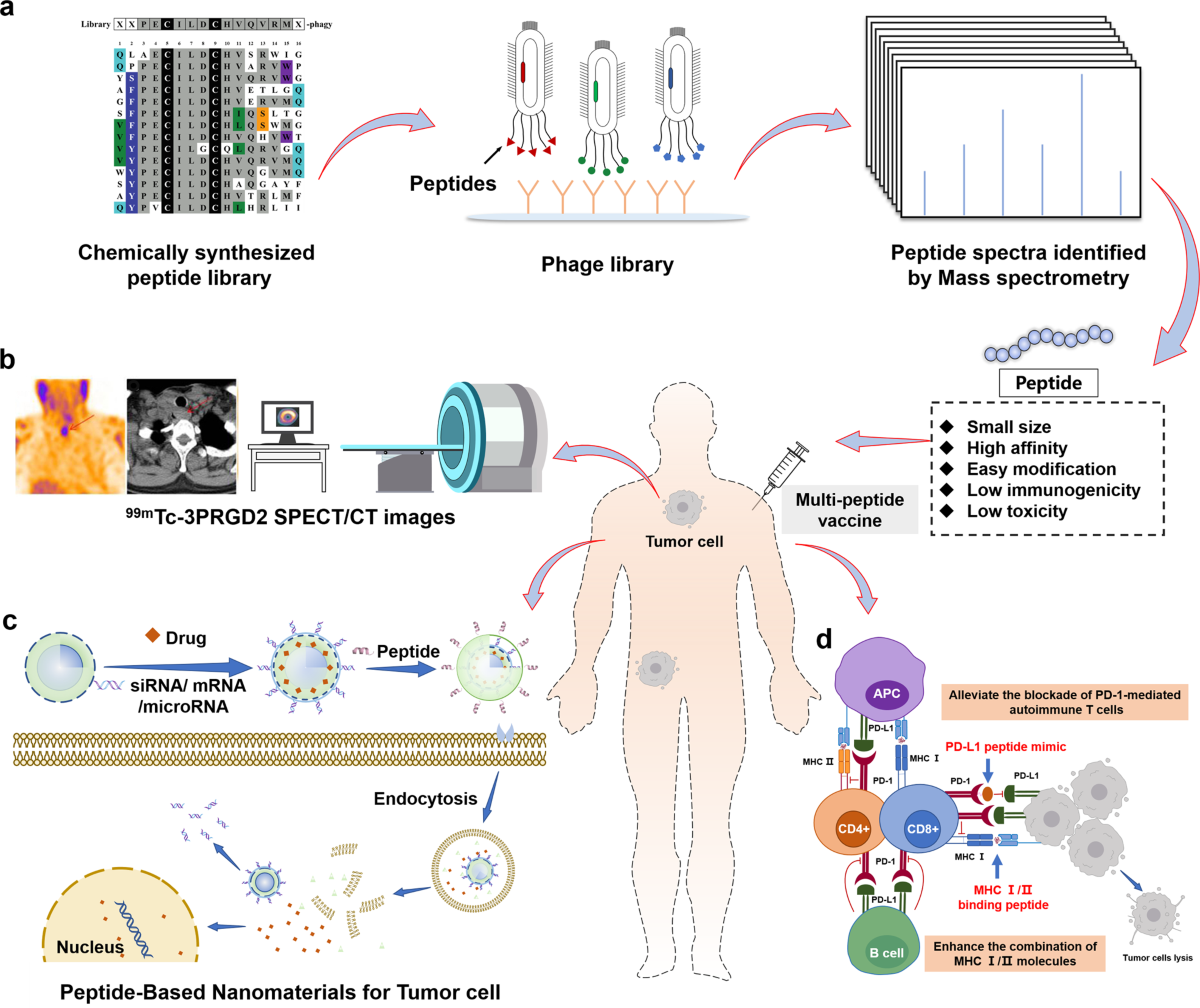
Understanding Peptide Research: Mechanisms, Classifications, and Scientific Applications
Explore peptide biochemistry, classifications, and research applications for immune modulation, wound healing, and longevity.
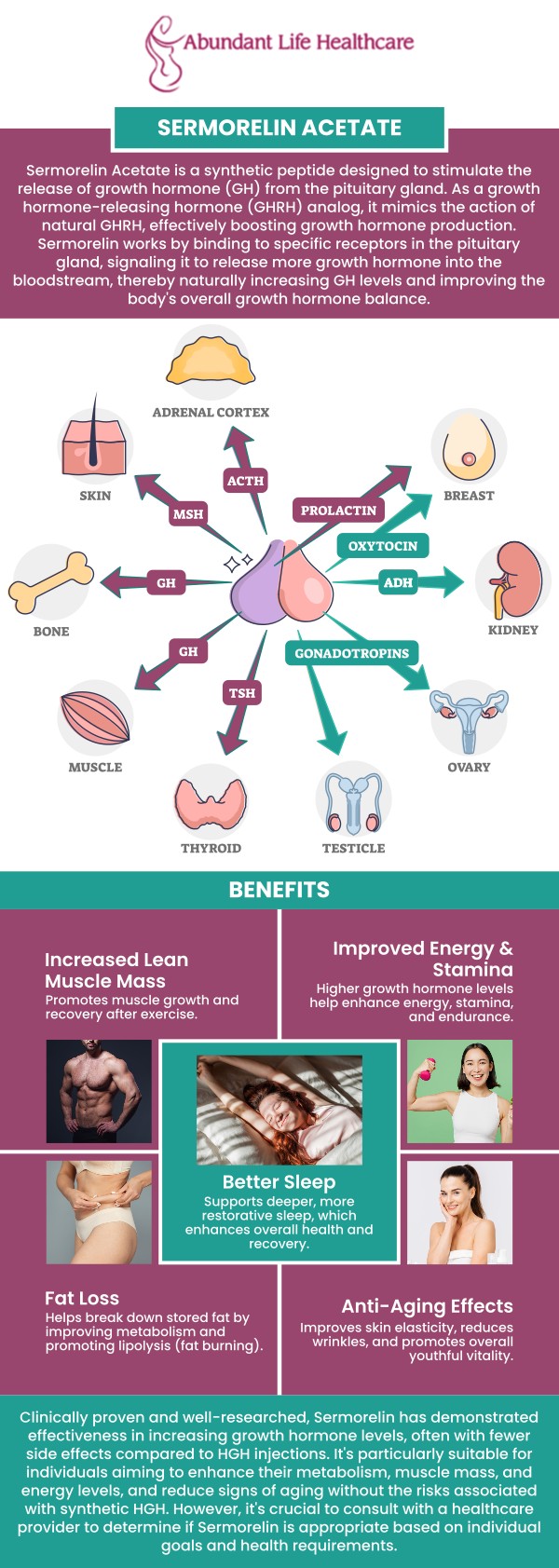
Sermorelin Effects on Pituitary and Testicular Cells
Sermorelin, a 29-amino-acid analog of growth hormone-releasing hormone, activates receptors on anterior pituitary cells to boost hGH secretion roughly twofold, from 1.1 to 2.2 μg/L over 12 hours. Studies show this leads to IGF-1 increases of 27-28% and may enhance testosterone production in Leydig cells via upregulated IGF-1. Lab experiments highlight cAMP-PKA signaling and calcium-dependent mechanisms driving these responses.
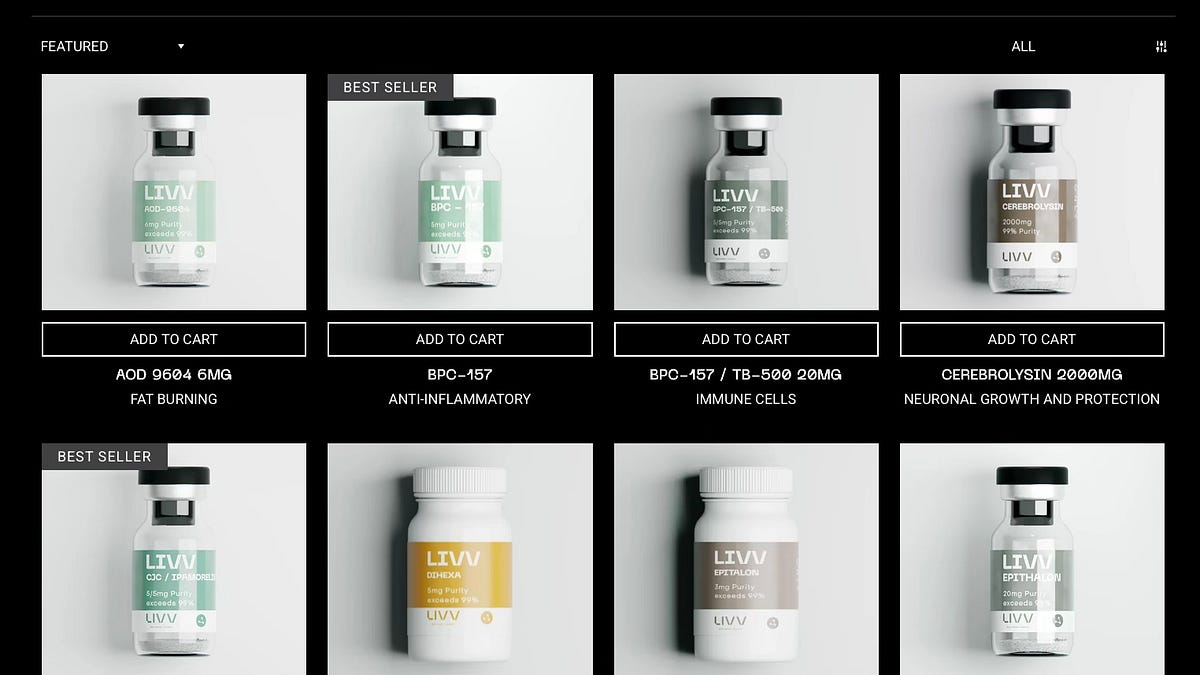
Synergistic Growth Hormone Effects of Sermorelin and Ipamorelin Blend
Research peptides Sermorelin and Ipamorelin may work together to boost growth hormone release from pituitary cells through distinct pathways. Sermorelin mimics the active part of natural GHRH, while Ipamorelin targets GHS-R1a receptors selectively. Laboratory studies indicate this combination could produce higher hGH peaks than either alone, with potential anabolic benefits via IGF-1.