research peptides
26 articles tagged with ‘research peptides’

What a Peptide Blend Costs You Analytically
Put four peptides in one vial and ask what its purity figure refers to. The largest peak is not the product, and the other three peaks are not impurities. What a blend costs you analytically, with our own four blends audited against the same standard.

Why 99% Purity Means Something Different on a Tripeptide and a 44-mer
At 99% per coupling a tripeptide comes off the resin 98% correct and a 44-residue chain comes off at 65%. What had to be removed, why deletion sequences are the hardest impurity to separate, and the trifluoroacetate counterion that is in the vial and not on the paperwork.

Best Peptide Affiliate Program in 2026: 8 Programs Compared by What They Actually Pay
10% flat is the going rate in research peptides, and almost every page quoting it calls it competitive. Eight programs compared on the only four things that decide what you are paid: the rate, the base it is applied to, how long attribution lasts, and when the money actually arrives.

BPC-157 for Dogs: Benefits, Research and the Two Canine Studies
Go through the BPC-157 literature looking for studies that involved dogs and you find two: one toxicology, one pharmacokinetics. Neither asks whether it heals anything. What the canine evidence actually contains, why the published dosing charts disagree by more than 20-fold, and what the 2026 reviews concluded.

Identity Is the Test Almost Nobody Runs
Rearrange TB-500's seven residues and there are 1,260 arrangements that all weigh exactly the same. Purity gets reported constantly and identity almost never, so here is what each method can and cannot establish about whether a vial holds the sequence on the label.
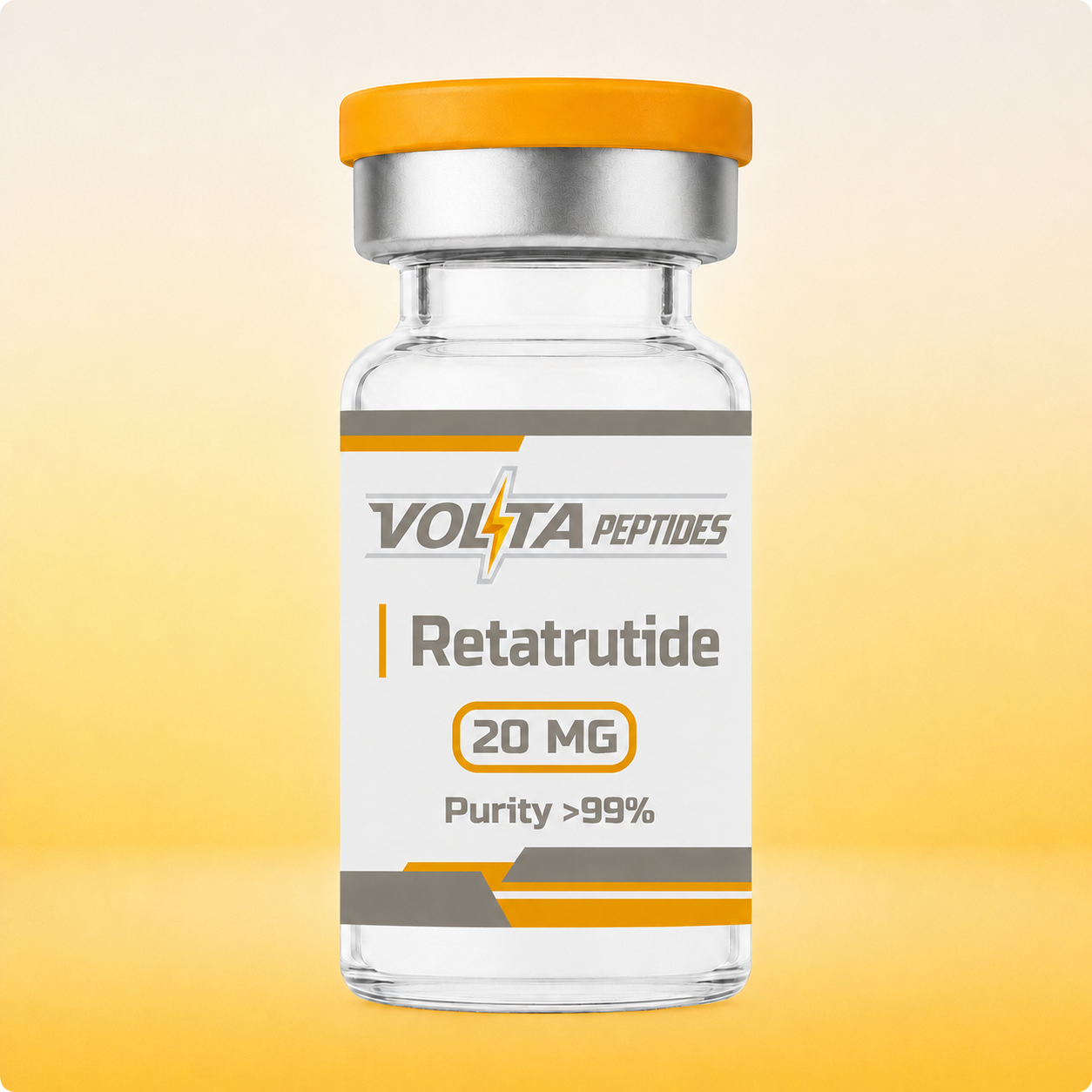
Retatrutide in Canada: Research Access and Regulatory Status
Retatrutide is an investigational triple agonist with no documented Canadian market authorization. This page separates peer-reviewed findings from supplier claims and unverified listings.

What Is Deadpool Peptide Blend?
At least three different vials are sold as "Deadpool blend", sharing only BPC-157, TB-500 and a Marvel character. What each version actually contains, why a large share of Cartalax listings print Bronchogen's sequence instead, what the published literature does and does not support for each component, and why a purity figure on a four-peptide certificate has stopped meaning what it means on a single-peptide one.

What the Human Evidence Actually Shows: A Peptide Evidence Map
Thymosin beta-4 has been through a Phase 3 trial. It was an eye drop, in a corneal disease, and it missed. A five-tier map of where each peptide's evidence actually sits, and why a registered trial that never published is weaker than no trial at all.
GHK-Cu in Research: Reconstitution, Stability, and Handling Guide
This guide covers the essentials of working with GHK-Cu in a research setting, from reconstitution math and solvent choice to stability and purity considerations. Learn how to handle copper peptides correctly and what to verify before starting a study.

How to Verify a Peptide in Canada
A vial is the end of a chain that runs from a synthesis lot to the note you write when the parcel arrives. Where each link sits, what proves it, how each one breaks in this market, and why a purity percentage cannot answer the quantity question.

How to Tell If a Peptide Supplier Is Legitimate: The 2026 Verification Checklist
A certificate of analysis is the easiest document in this market to fake. Nine checks, ranked by how hard each one is to fake, including the two that separate a traceable supplier from a convincing one.
Affordable Peptides in Canada: What a Vial Actually Costs in 2026
What research peptides actually cost in Canada, from 729 live prices read across 30 storefronts on 26 August 2026. Every Volta product in stock against six Canadian storefronts and the Canadian average, all in CAD at matched vial sizes, plus the per-milligram and landed-cost arithmetic the shelf price hides.

The Complete Guide to Peptides in Canada
The checkable part of the Canadian peptide market: Health Canada's published position on research-use-only labelling, the difference between research grade and a certified reference standard, why a 99% purity result leaves the more expensive question unanswered, and a repeatable ten-point supplier evaluation.
10 Best Canadian Peptide Vendors in 2026
Ten Canadian suppliers compared on what can actually be checked from outside the company: whether a batch certificate is published, whether the testing laboratory is named, whether the business states a legal entity and address, and where the parcel ships from.
10 Best Peptide Providers in 2026
Research suppliers, telehealth clinics and contract manufacturers are three different markets, so this comparison ranks them separately on six weighted criteria led by analytical documentation. Criteria, weights and conflicts of interest are stated in full.
The Complete Guide to Buying Peptides in Canada
The long version: what you are buying at a molecular level, how Canadian law treats it, the three grades of material and why the difference is expensive, what each analytical test can and cannot tell you, how to model landed cost, and what to record so a result stays traceable.
Where to Buy Peptides in Canada Online
A checkable procedure for evaluating any Canadian peptide supplier: the legal position under Health Canada, what actually happens to a cross-border parcel, how to read a Certificate of Analysis line by line, and the red flags that separate a real supplier from a dropshipper.
Peptide Clinical Trial Research: A Practical Guide for Scientists
Research peptides are essential tools in biochemistry, cell biology, and molecular research. This guide covers the fundamentals of peptide science, synthesis, purification, quality control, and stability, providing laboratory scientists with practical guidance for working with research-grade peptides in in vitro and ex vivo applications.

What Does FDA GLP-1 Mean in Peptide Research? A Practical Guide
This article explains what FDA GLP-1 refers to in the context of peptide research, covering regulatory standards, purity verification, and practical validation criteria. It provides researchers with clear steps to evaluate peptide quality and links to Volta Peptides resources for further education.

Anti-Aging Peptides: Research Compounds for Metabolism, Muscle, and Tissue Health
Explore a curated selection of anti-aging research peptides including BPC-157, GHK-CU, KPV, MOTS-C, NAD+, Retatrutide, SS-31, TB-500, and others. These compounds are studied for their potential roles in metabolism support, muscle growth, weight loss, and skin, tissue, and bone health. Average purity across products is 99.77%.
Peptides Legality in the UK: Complete 2026 Guide
Research peptides remain legal in the UK when clearly labeled for laboratory use only and not promoted for human or veterinary consumption. Suppliers must provide transparent batch testing, including identity confirmation, HPLC purity analysis, heavy metal screening, and endotoxin testing, to ensure quality. This guide covers legal status, RUO meaning, supply chain risks, and tips for selecting compliant sources in the expanding 2026 market.

U.S. Telehealth Platforms for GLP-1 Peptides and Research Suppliers
Licensed U.S. telehealth platforms provide prescriptions for GLP-1 medications such as semaglutide and tirzepatide, along with NAD+ injections and other peptide therapies, shipped directly to patients. These services include online consultations and operate in most states. Research peptide suppliers offer compounds like GLP-1 agonists with high purity levels from independent testing.

HPLC Testing for Peptides: Complete Guide to Purity Checks
HPLC testing serves as the main method for checking research peptide purity, with ≥99% purity as the standard for high-quality samples. This guide explains how HPLC works, what chromatograms reveal, and its role in verifying peptide quality. Researchers rely on it to ensure minimal impurities that could affect study results.
Research Peptides Australia: 99%+ Purity, Testing, Fast Shipping
Research peptides like Retatrutide, Glutathione, and Melanotan I offer 99%+ HPLC purity with independent COA verification. Batches undergo testing for purity, identity, and sterility before sale. Australia-wide shipping via Australia Post includes tracking, with standard at $9.99 for 2-6 business days and free over $199.

Is Tirzepatide a Peptide? Resolving Common Terminology Confusion
Many researchers ask if tirzepatide qualifies as a peptide, along with related queries like tirzepatide versus peptides or if it contains peptides. Tirzepatide is indeed a 39-amino-acid synthetic peptide featuring fatty acid conjugation, which extends its half-life to about 5 days. This guide clarifies the biochemical definition, key differences from native peptides like BPC-157, and why the confusion persists in research contexts.
Peptide Supplier Red Flags: 10 Warning Signs of Low-Quality Vendors
The research peptide market includes low-quality suppliers that deceive buyers through poor verification or opaque practices. This guide lists ten key red flags, starting with the absence of public Certificates of Analysis from labs like Janoshik Analytical. Spotting these signs helps researchers choose reliable sources and avoid common pitfalls in peptide procurement.